From Old School Nail Nicks to Modern Flippers, Here’s what We’d Carry if We Still Carried a Slip Joint Pocket Knife
Slip joints fell out of style a while ago when we all admitted how much we disliked the blades of our folding knives coming down on our fingers. They never disappeared entirely, though, because they fit a convenient legal definition for some people while others are returning to the root of their knife obsession.
Also, something about slip joint designs lend themselves to feeling incredibly collectable.
Lately a lot of designers are playing with new slip joint designs. I won’t claim to know exactly where the newfound interest is coming from, but it has made us want to jump on the bandwagon and come up with a list of slip joints, both old and new, that we think are having, and some that are worth having so long you can pass them on to jumpstart someone else’s knife obsession.
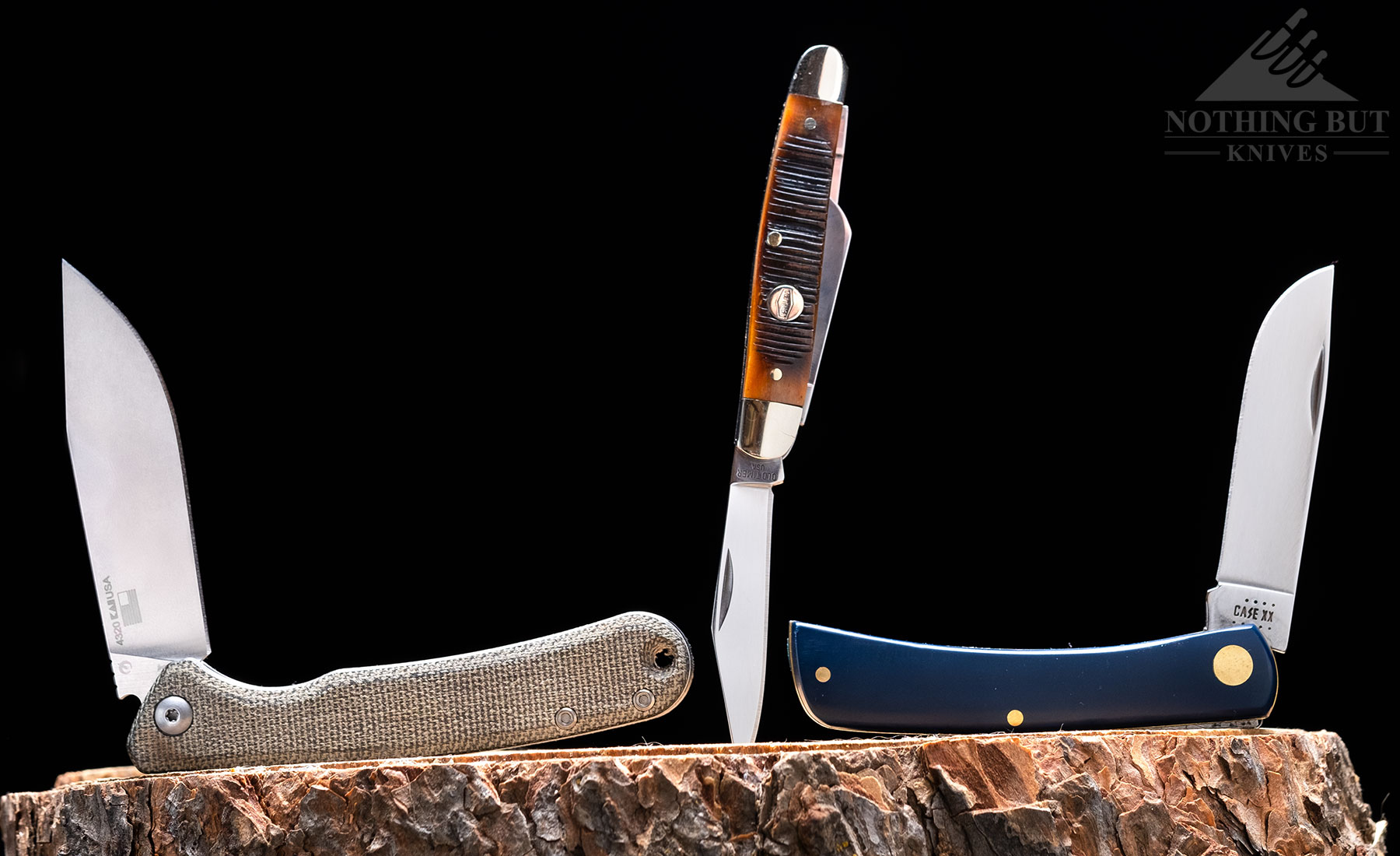
I should probably clarify that by “slip joint” we mean any non locking knife with a mechanism in the handle that holds the blade in place, but allows it to be pushed closed.
There seems to be a wide misconception that multiple blades are required for a knife to fit the category, or that the only slip joint mechanism is a back spring. Both of those assumptions are very much wrong, so we’ve put a slightly more detailed explanation of how slip joints work at the bottom of this article.
Our Top Slip Joint Picks from Premium To Budget Friendly
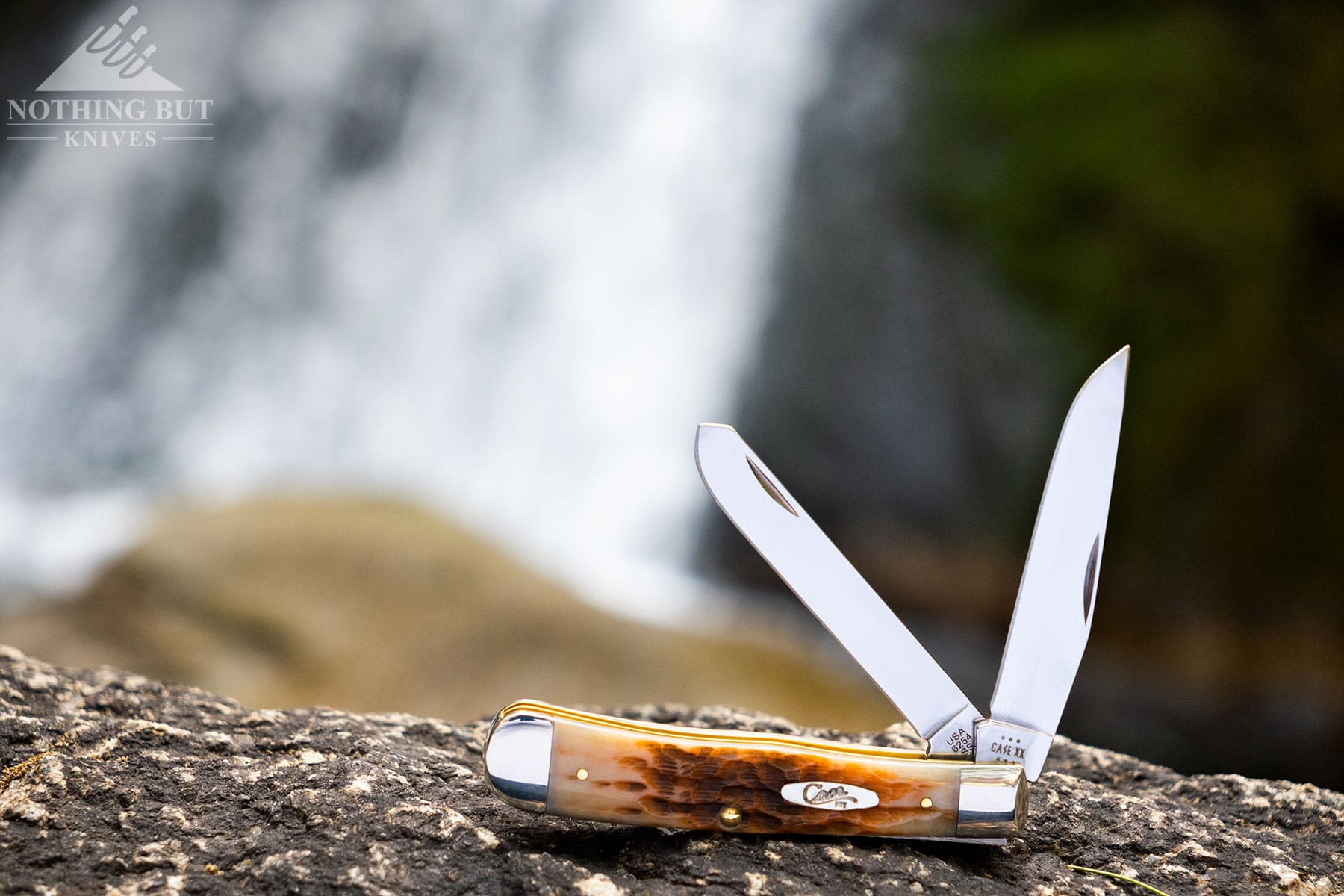
Case Amber Bone Trapper – Best Classic Slip Joint
| Overall Length: | 7.4” |
| Blade Length: | 3.27” / 3.25” |
| Steel: | Tru-Sharp Stainless |
| Blade Shape: | Clip point / spey |
| Handle Length: | 4.125” |
| Handle Material: | Bead blasted titanium |
| Open System: | Nail nick |
| Half Stop: | No |
| Grind: | Flat |
| Carry System: | NA |
| Made in: | Bradford. PA |
It’s hard to get more classic than a jigged bone handle trapper from Case. A jack knife traditionally used by small-game trappers, it features a clip point blade and a long spey blade, both of which are tried and true shapes for a hell of a lot of utility.
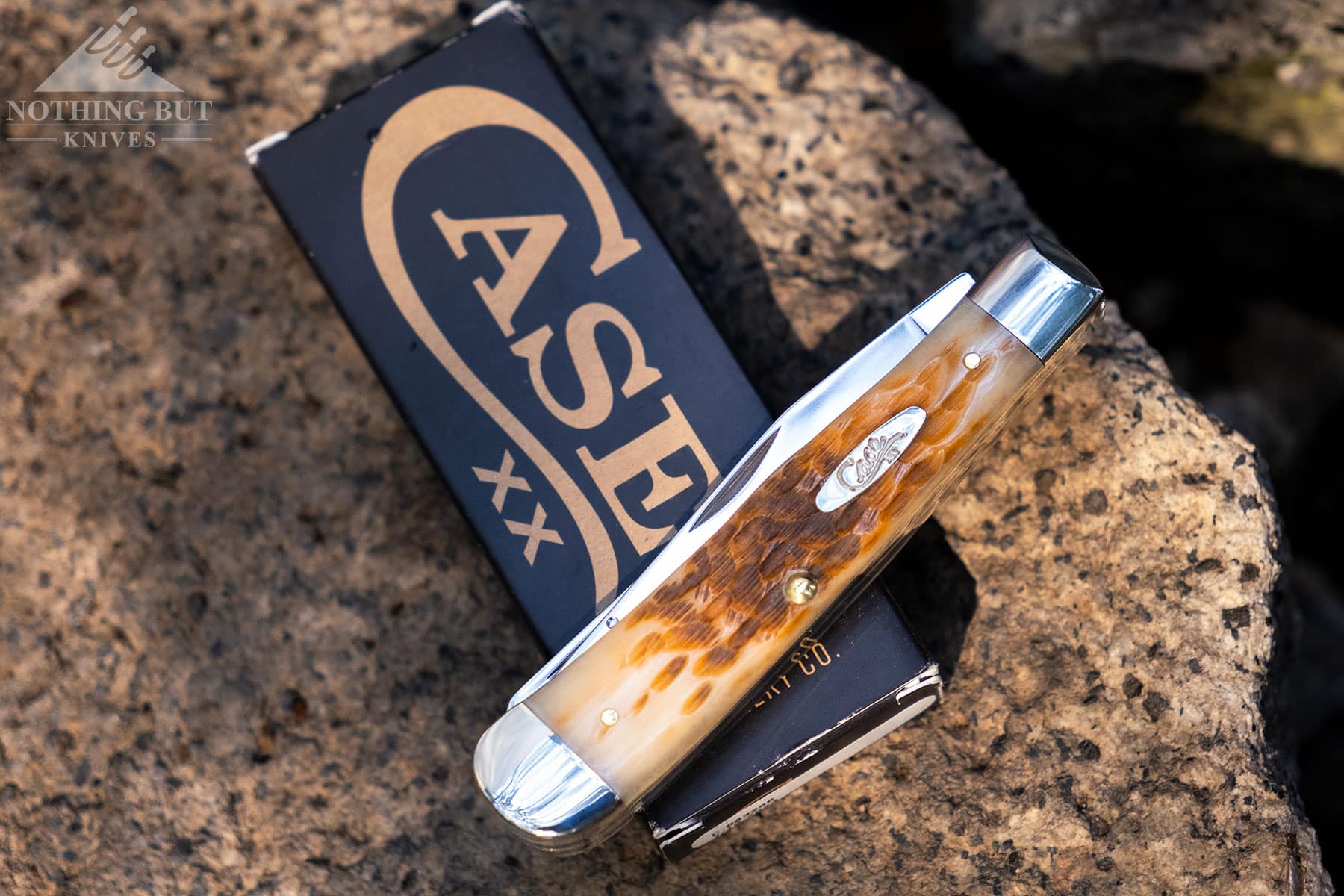
The four-inch handle allows for a nice four-finger grip and you can even chest lever with it when you really need to. The clip point blade has a bit of a negative plane to it which can give your cuts a little more leverage (depending on what you’re cutting) and give your knuckles a little more room (depending on how you’re cutting).
The spey blade might not have as many obvious uses for the uninitiated, but the idea behind it is to give you the ability to make a cut without puncturing whatever is behind what you’re cutting. It’s a topic for a different time (you’re welcome to dwell on the reason for the name, though), but in this modern era where storms of boxes raid our doorsteps every week, it has at least one obvious use.
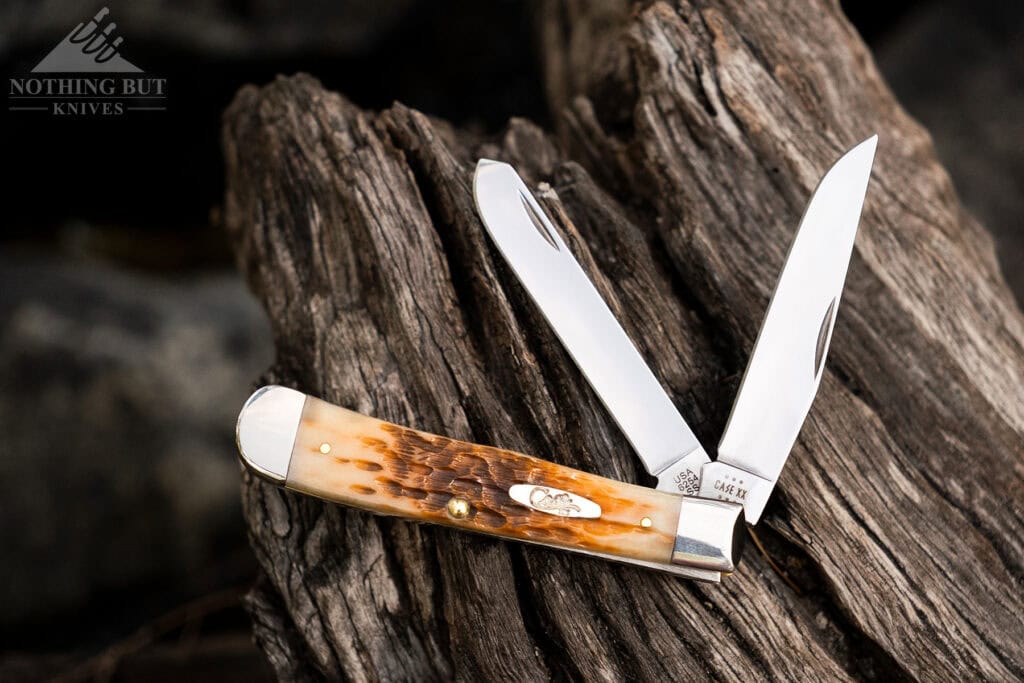
In true, traditional slip-joint fashion, the Case Trapper doesn’t have a pocket clip or pouch to speak of. It’s a true dig-around-in-your-pocket knife, especially since it’s a little too big to fit safely in the third pocket. So it’s best to keep in some kind of tackle box or hunting kit situation if you’re actually taking it outside.
The Case Trapper has been a popular American classic for many years, but the new Case Crossroads Barlow may be worth a look if you want somthing smaller..
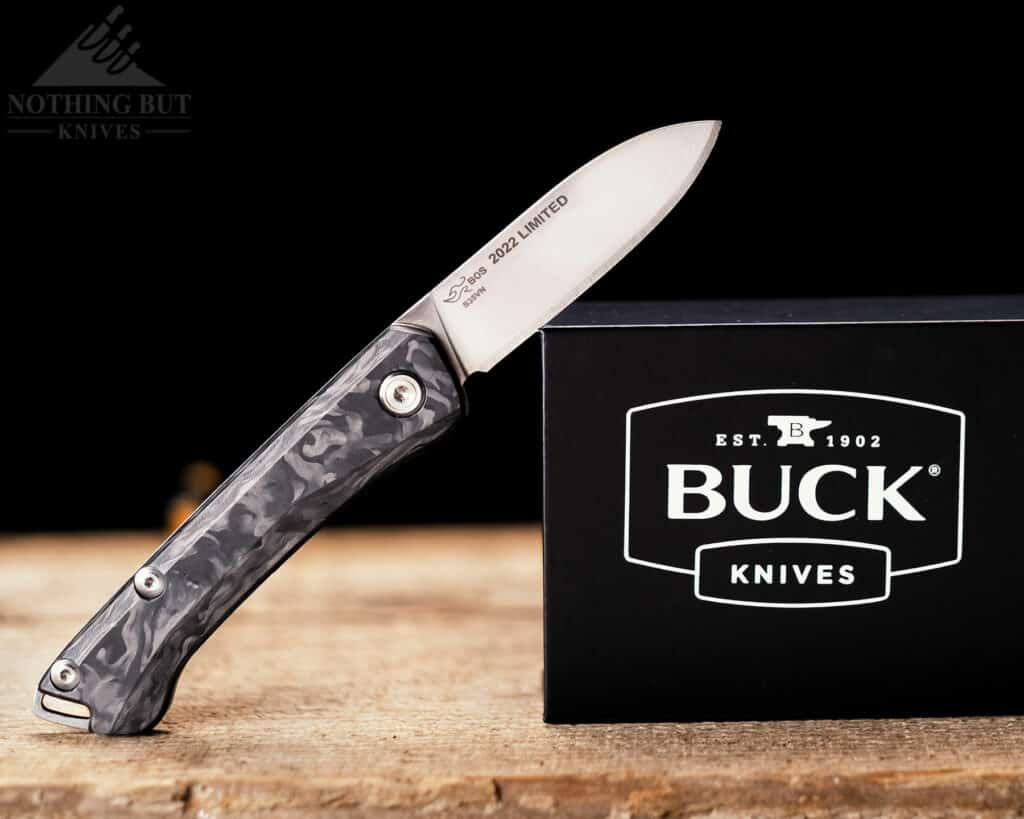
Buck Saunter – Best U.S. Made Slip Joint
| Overall Length: | 5.5” |
| Blade Length: | 2.5” |
| Steel: | S35VN |
| Blade Shape: | Drop point |
| Handle Length: | 3.0” |
| Handle Material: | Carbon fiber |
| Open System: | Blade indent |
| Half Stop: | No |
| Grind: | Flat |
| Carry System: | NA |
| Made in: | USA |
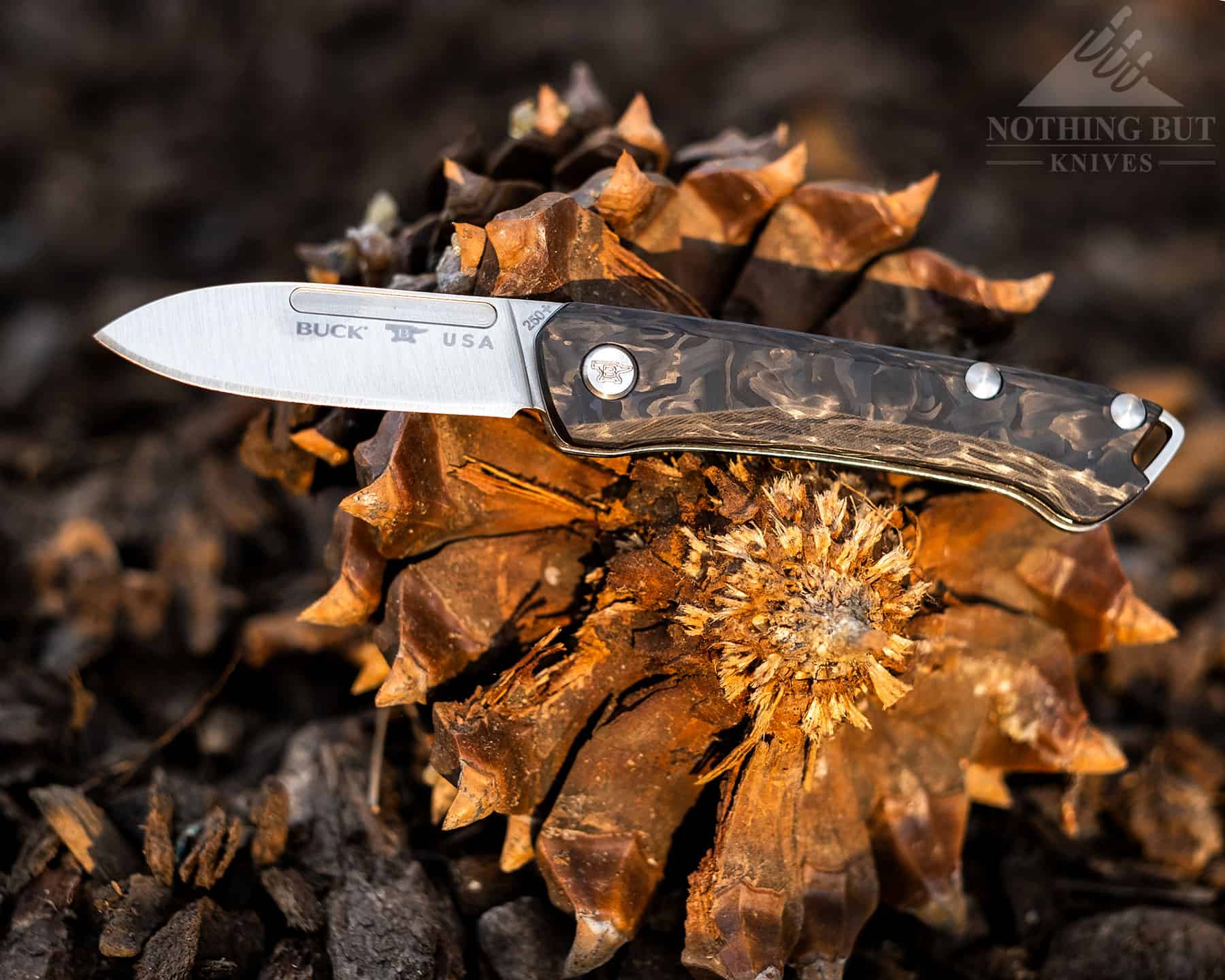
When Buck announced the Saunter it felt like a splash of cold water in the desert. This is the kind of thing I’d been waiting to see from them for a long time: a classic design with a few materials and design lines that prove anyone in that company has looked at a new knife within the last ten years.
This is doubly satisfying because the Saunter not only has a cool looking handle, but it’s also actually comfortable, and the S35VN blade has a screaming edge on it
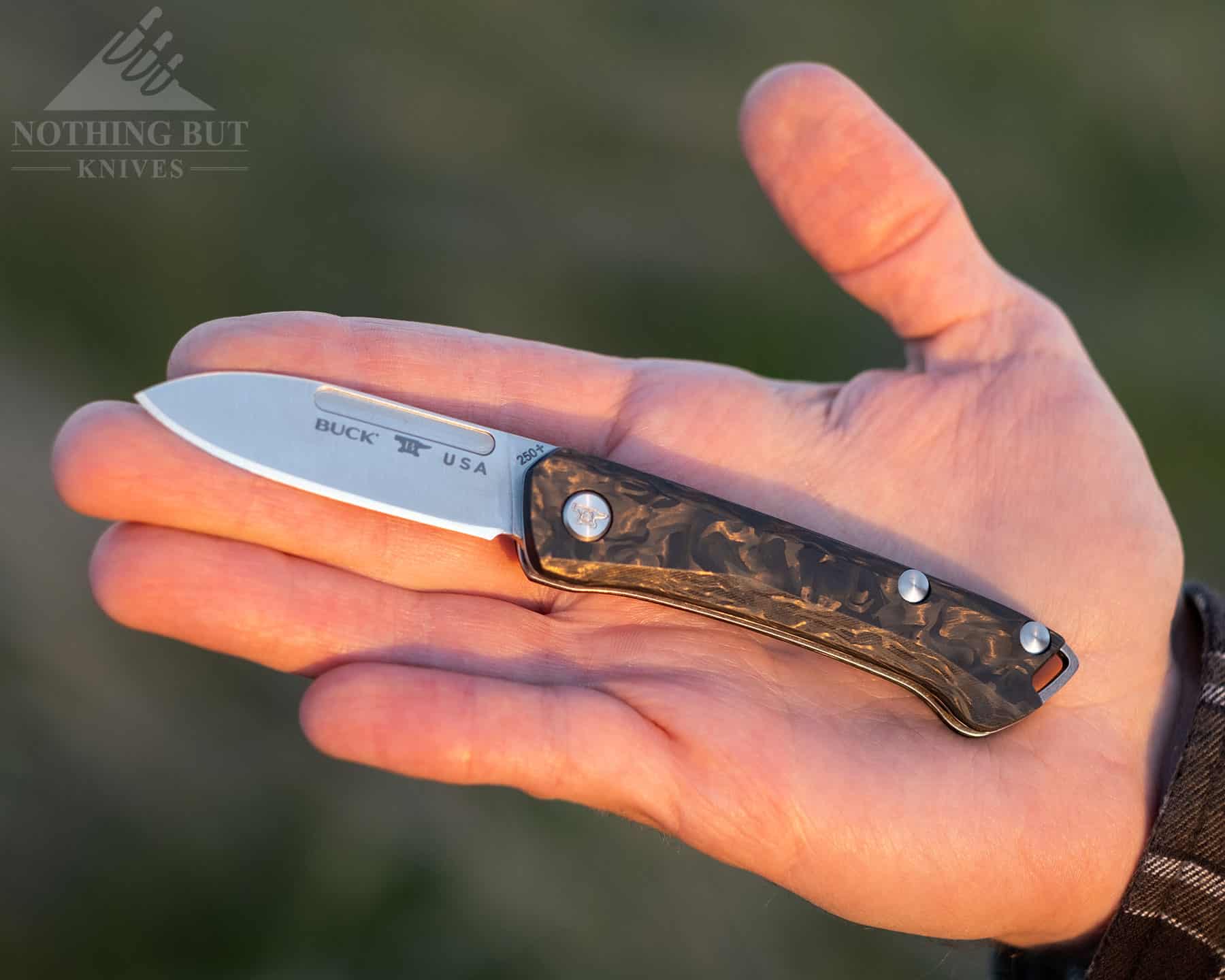
One mild downside is this knife comes with a little leather pouch that I have deemed effectively useless in my life, but it looks nice. It just doesn’t make the knife any easier to carry because there’s no belt loop or hanging attachment.
Also the leather needs to be worked a lot before it’s loose enough to let the knife go easily. But overall, this design is better than I ever expected it to be, so I was especially excited when Buck announced the design was entering regular production in 2023.
Check out our Buck Saunter Photo Tour & Review to learn more about this knife.
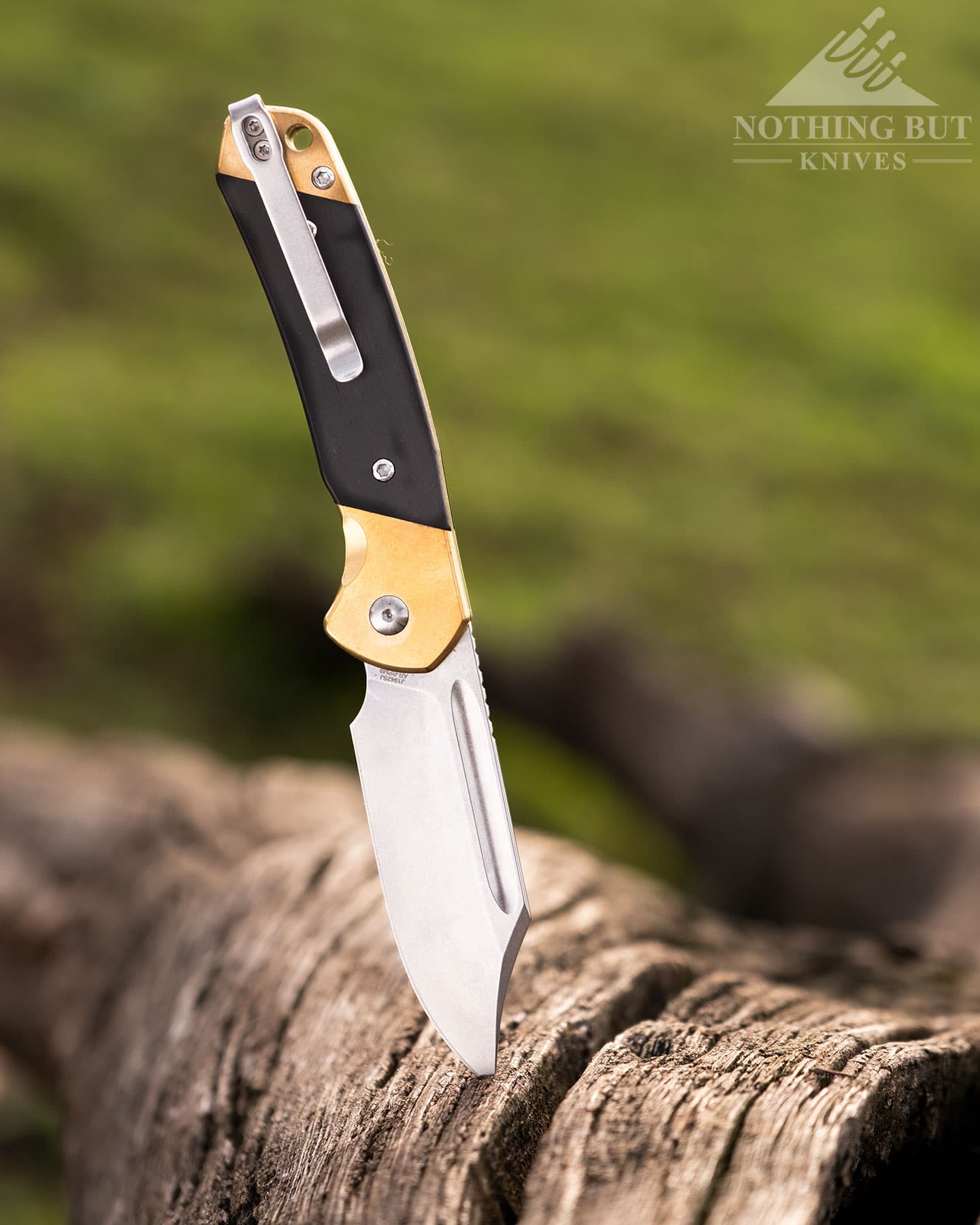
CJRB Bowie Pyrite
| Overall Length: | 7.32” |
| Blade Length: | 3.1” |
| Steel: | AR-RPM9 |
| Blade Shape: | Clip point |
| Handle Material: | Wood w/ brass bolsters |
| Open System: | Blade groove |
| Half Stop: | Yes |
| Grind: | Flat |
| Carry System: | Deep-carry clip, reversible |
| Made in: | China |
The Pyrite design turns out to make a classy throw back slip joint. It looks like something Buck or Case would have put out a few decades ago. It’s slick enough for me to consider it a dress carry, and the pocket clip makes it easy to do just that, being the rare combination of deep-carry and reversible for left or right hand carry.
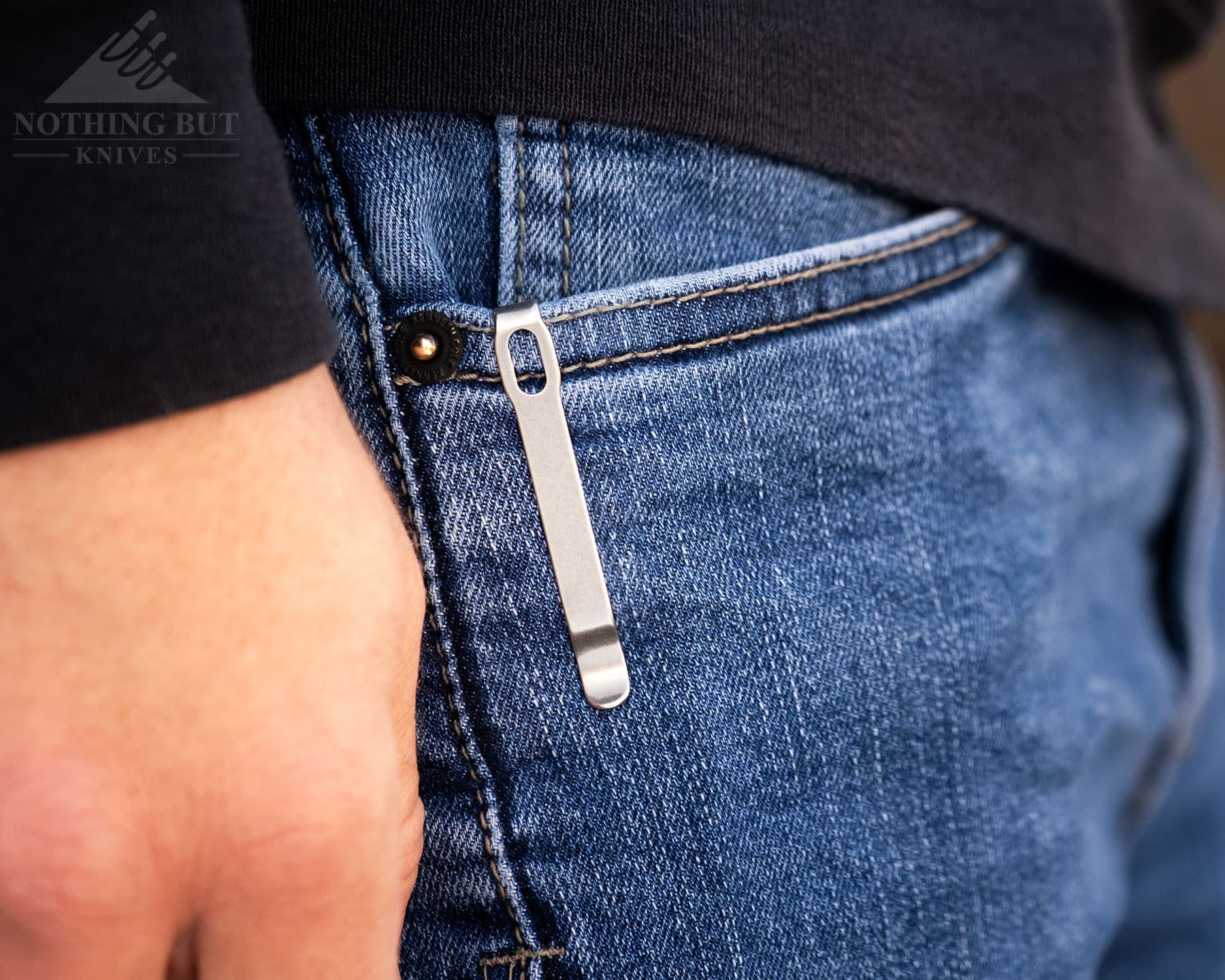
The walk and talk is decent. It’s strong but doesn’t quite have that snappy feeling in the half stoop. It feels like they really wanted to make sure the spring kept the larger blade under control. It’s possible they went overboard there. Between the gentle blade indent they made for opening the knife and the strong spring it feels a little more difficult to open than usual.
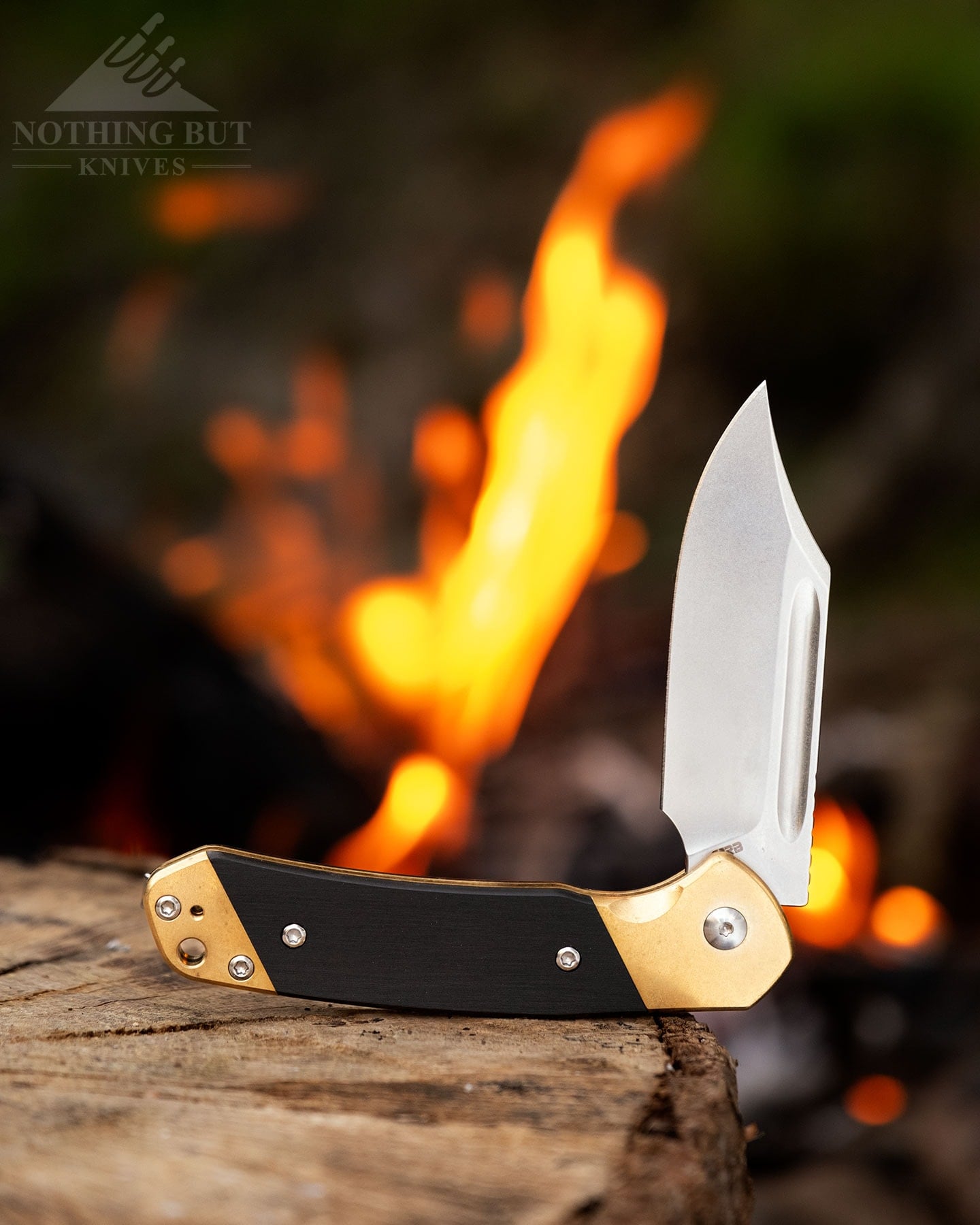
In the hand it feels like a good working knife. It’s big enough for a four-finger grip and the corners are rounded enough not to bite when you tighten up on it. Plus the blade is tall so it’s easier to pinch and forgo the danger of it closing on the hand when I want to make good use of that clip point.
Benchmade Weekender – Best Multibladed Slip Joint
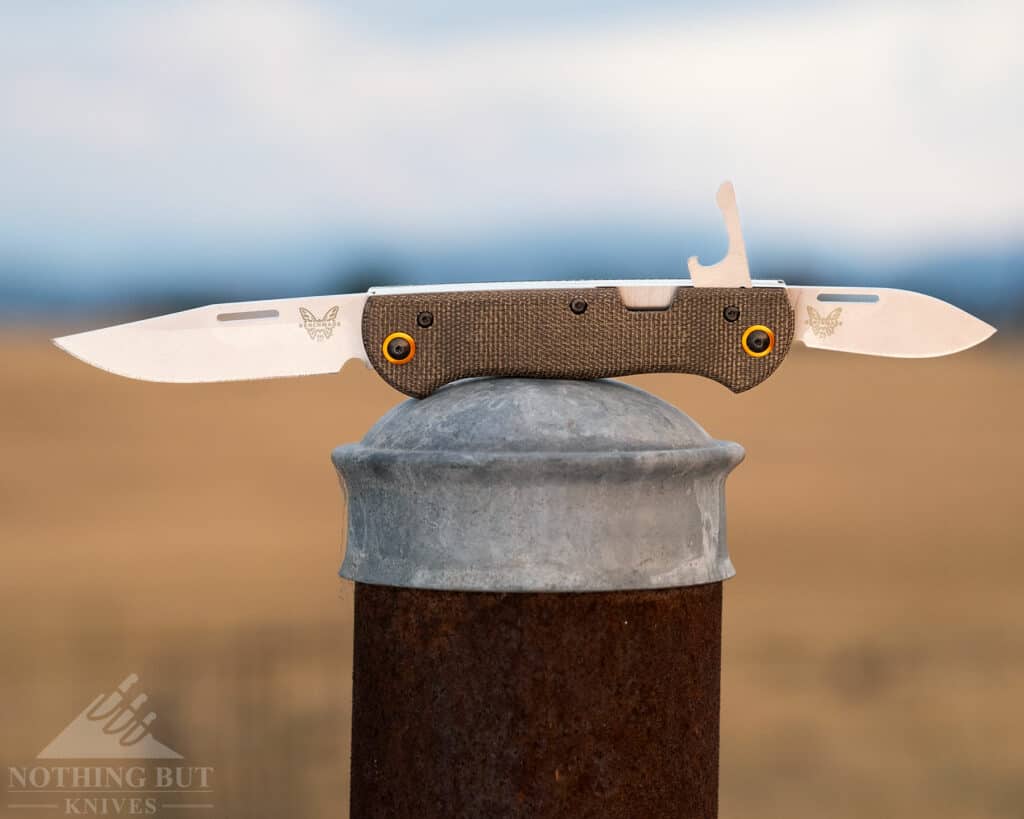
| Overall Length: | 7.0” / 6.0” |
| Blade Length: | 3.0” / 2.0” |
| Steel: | S30N |
| Blade Shape: | Clip point / drop point |
| Handle Length: | 4.0” |
| Handle Material: | Micarta |
| Open System: | Nail nick |
| Half Stop: | Yes |
| Grind: | Flat |
| Carry System: | NA |
| Made in: | USA |
A multi-bladed slip joint feels like a step off the beaten path for Benchmade. That might be the reason this is the first Benchmade I’ve ever properly owned.
This is a similar run to the Buck Saunter, though. It’s a new knife with some fairly new materials, but the design feels immediately classic. And considering the heft and seamless fit and finish of the thing, I expect it to last long enough to become a dynasty knife (assuming I don’t lose it).
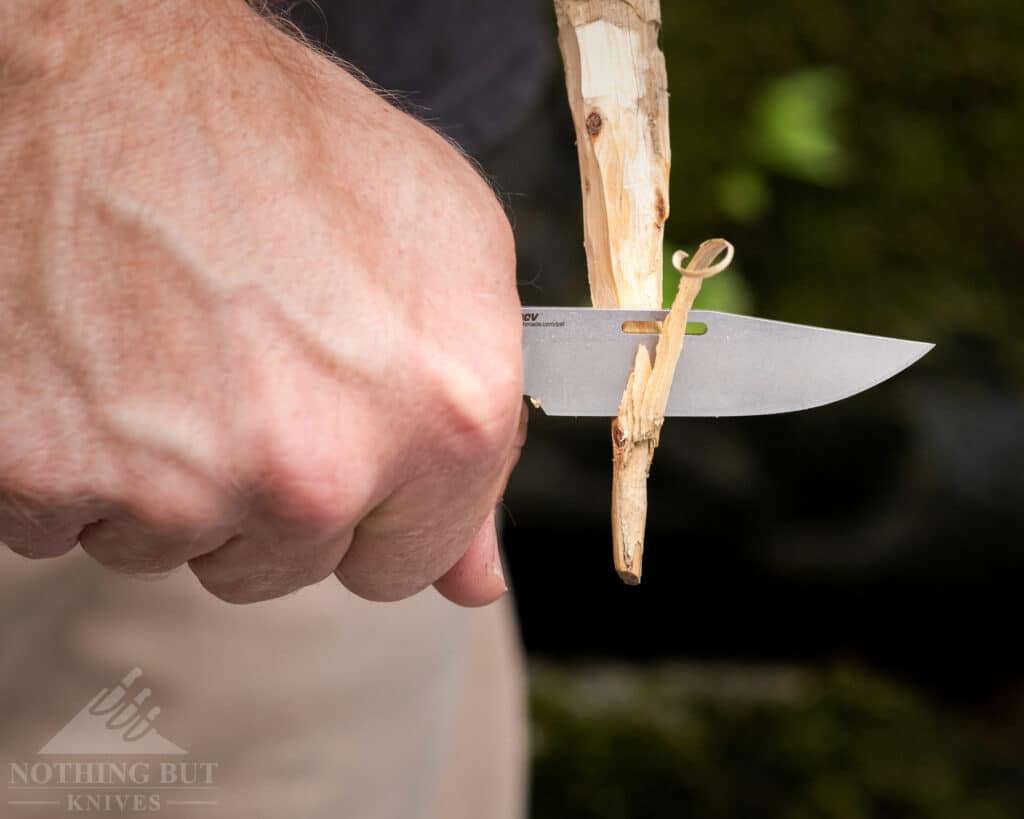
As far as function, the blades on the Weekender are sharp and aggressive. They’re just about perfect for chipping away at wood, whether that’s sharpening a stick or carving a spatula.
The handle has a lot of grip, and a good three to four finger grip (depending on the size of your hand). The only problems I ran into are that the blades are a little difficult to pull out if they’re both closed, and the Micarta is really dry so it picks up stains and moisture fast.
It also doesn’t come with any kind of carry option. Not even a leather pouch, so this is a full-on pocket floater, glove box gremlin, and tacklebox hermit.
Check out our full review of the Weekender for a bit more info.
Fox Knives Libar – Best Italian Slip Joint
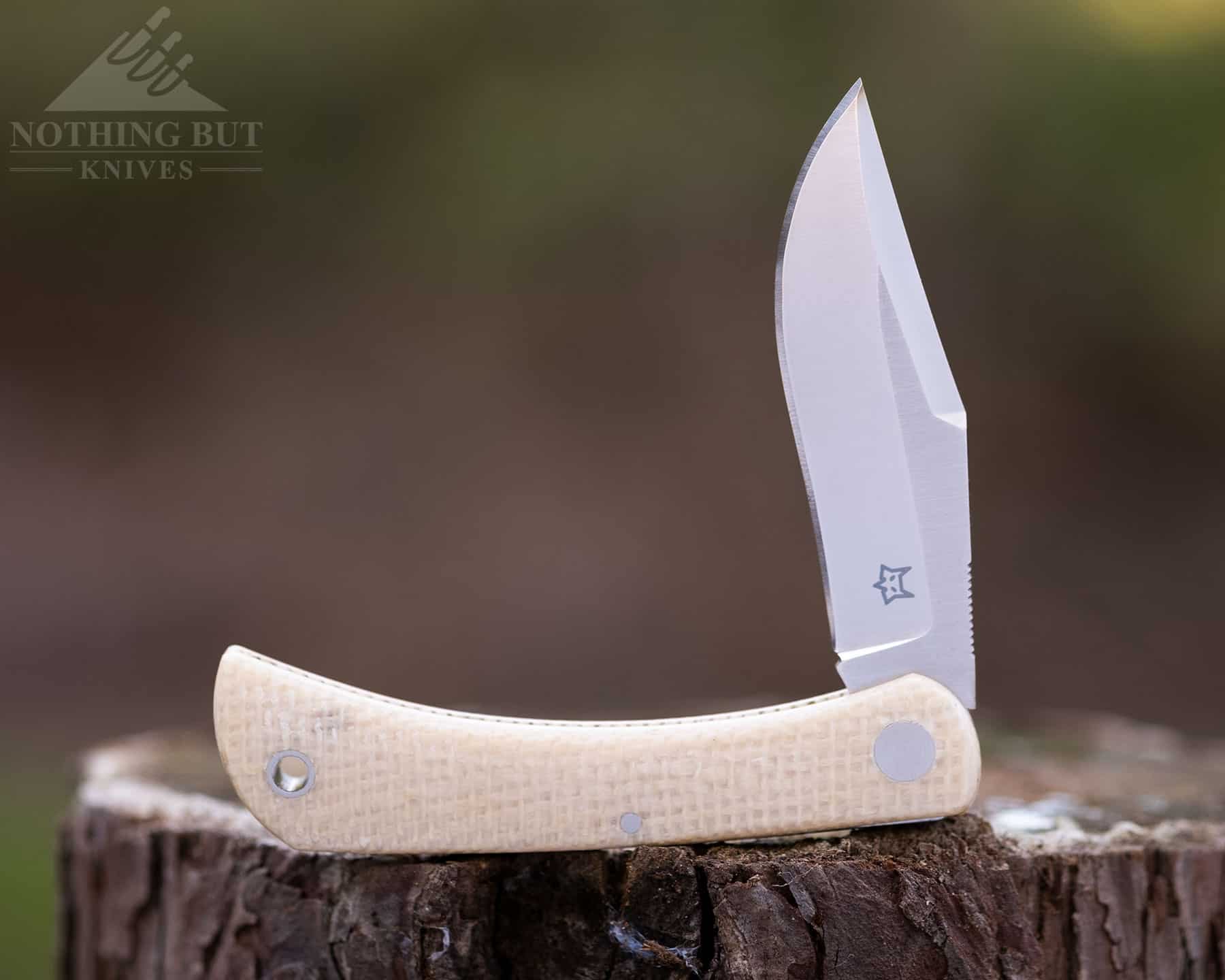
| Overall Length: | 6.125” |
| Blade Length: | 2.75” |
| Steel: | Bohler M390 |
| Blade Shape: | Clip point |
| Handle Length: | 3.44” |
| Handle Material: | Micarta (Other options available) |
| Open System: | NA (just the power of your own thumb) |
| Half Stop: | Yes |
| Grind: | Flat |
| Carry System: | Leather pouch |
| Made in: | Italy |
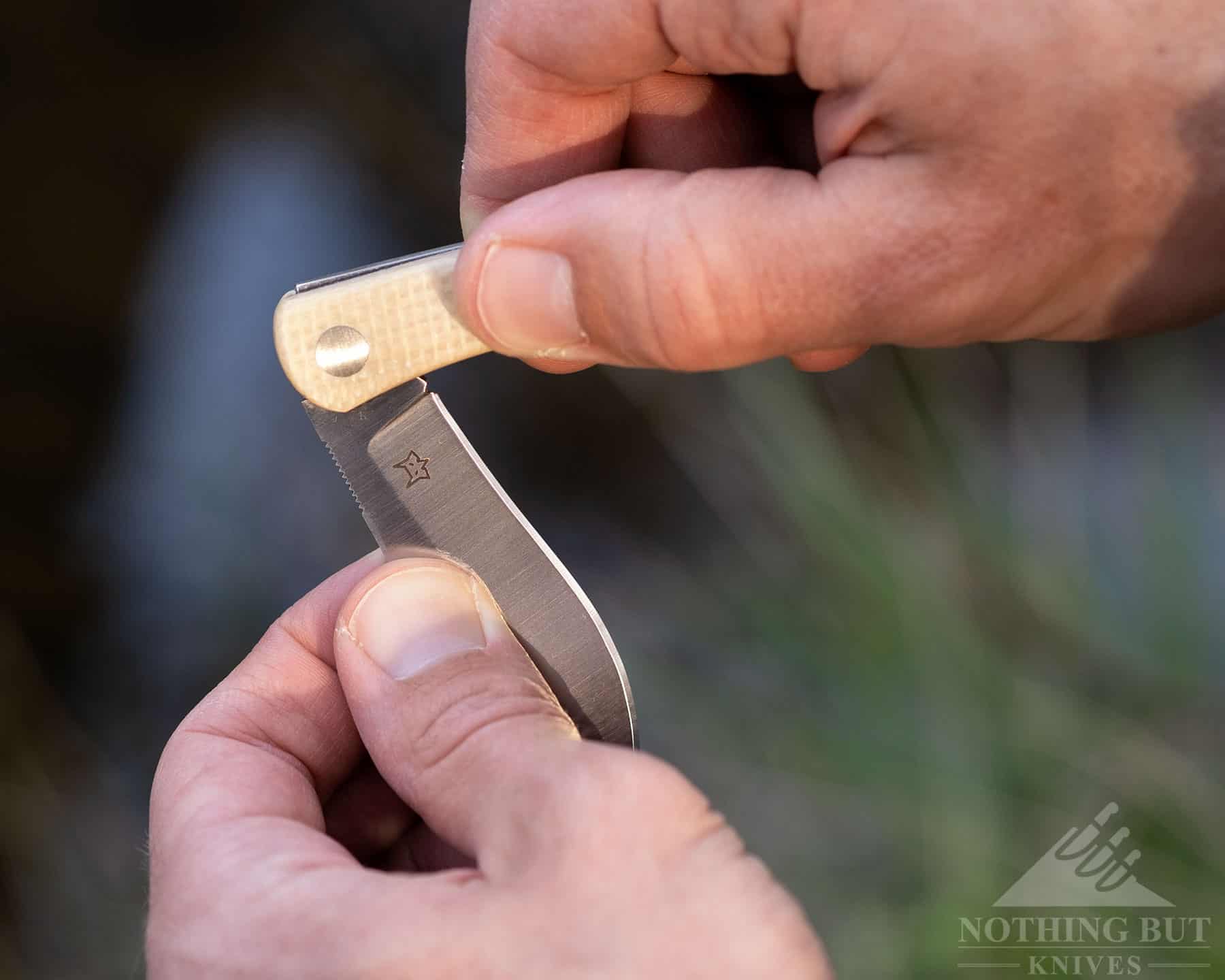
This is really everything I want a slip joint to be. It has a rustic looking Micarta handle with a long curve that feels pretty comfortable in the hand, a crazy sharp edge on a respectable Bohler steel blade, and a firm half stop.
The look and fit and finish are done so well that the knife as a whole is just satisfying to open and use. Carrying this knife almost makes me wish I had a suit-and-tie event to take it to. Almost.
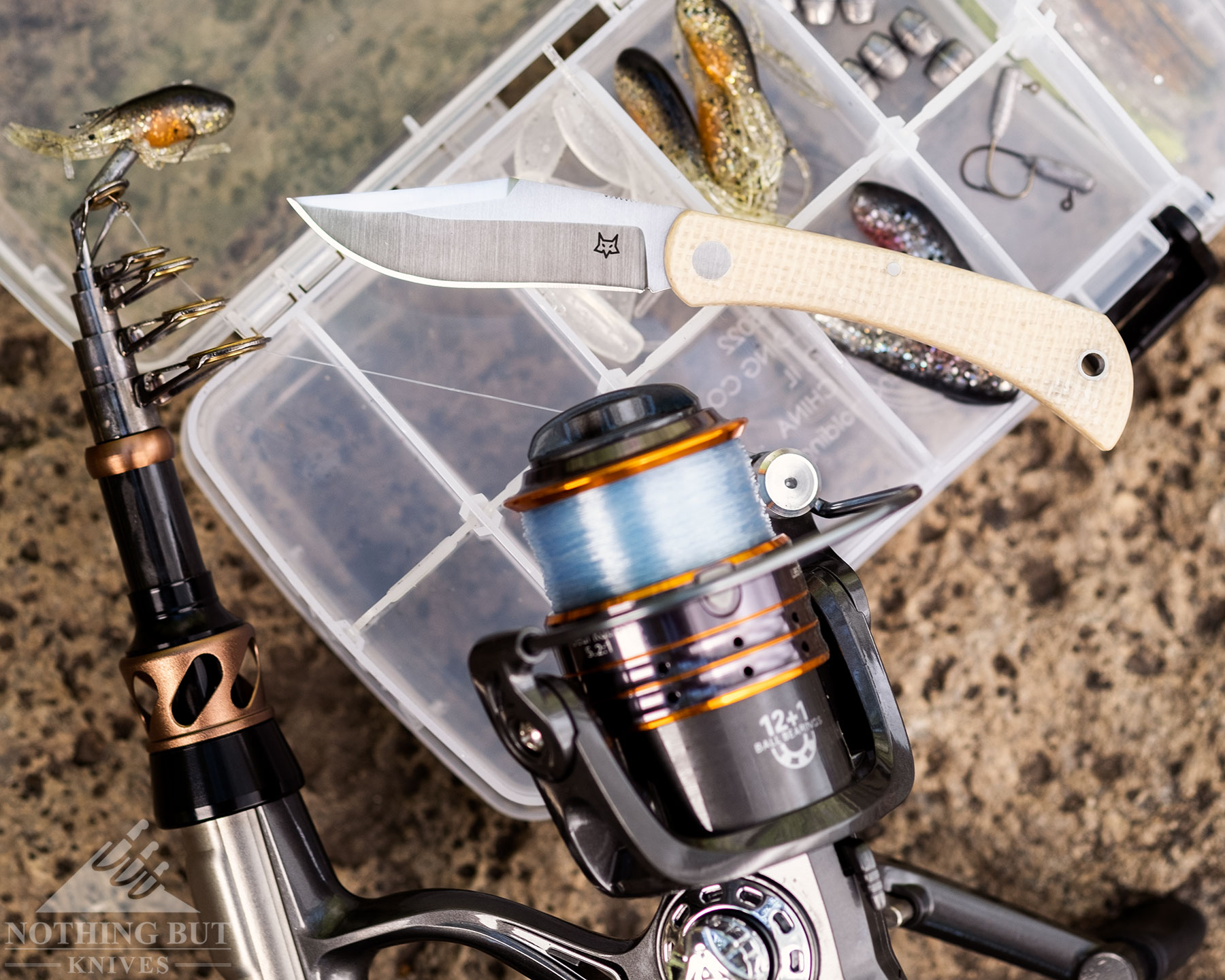
The biggest problem I have with this knife is that it doesn’t have a nail nick, and the steel is easily smudged, so it ends up with a big, fat thumb print every time I take it out. This isn’t a practical problem for most people, but it was incredibly annoying for me when we were taking pictures and I had to keep wiping the blade off every time I looked at it wrong.
I was also a little disappointed to feel how much resin there is on the Micarta handle. From the look of it, I thought it would feel more like the Kershaw Federalist, but there’s more plastic than fabric to the handle. Still, it’s comfortable, and it will keep its color and shine a lot longer than the Federalist.
If you want to see some more photos of this knife, check out our Fox Libar Photo Tour and Review.
LionSteel Gitano – Best Gentleman’s Carry
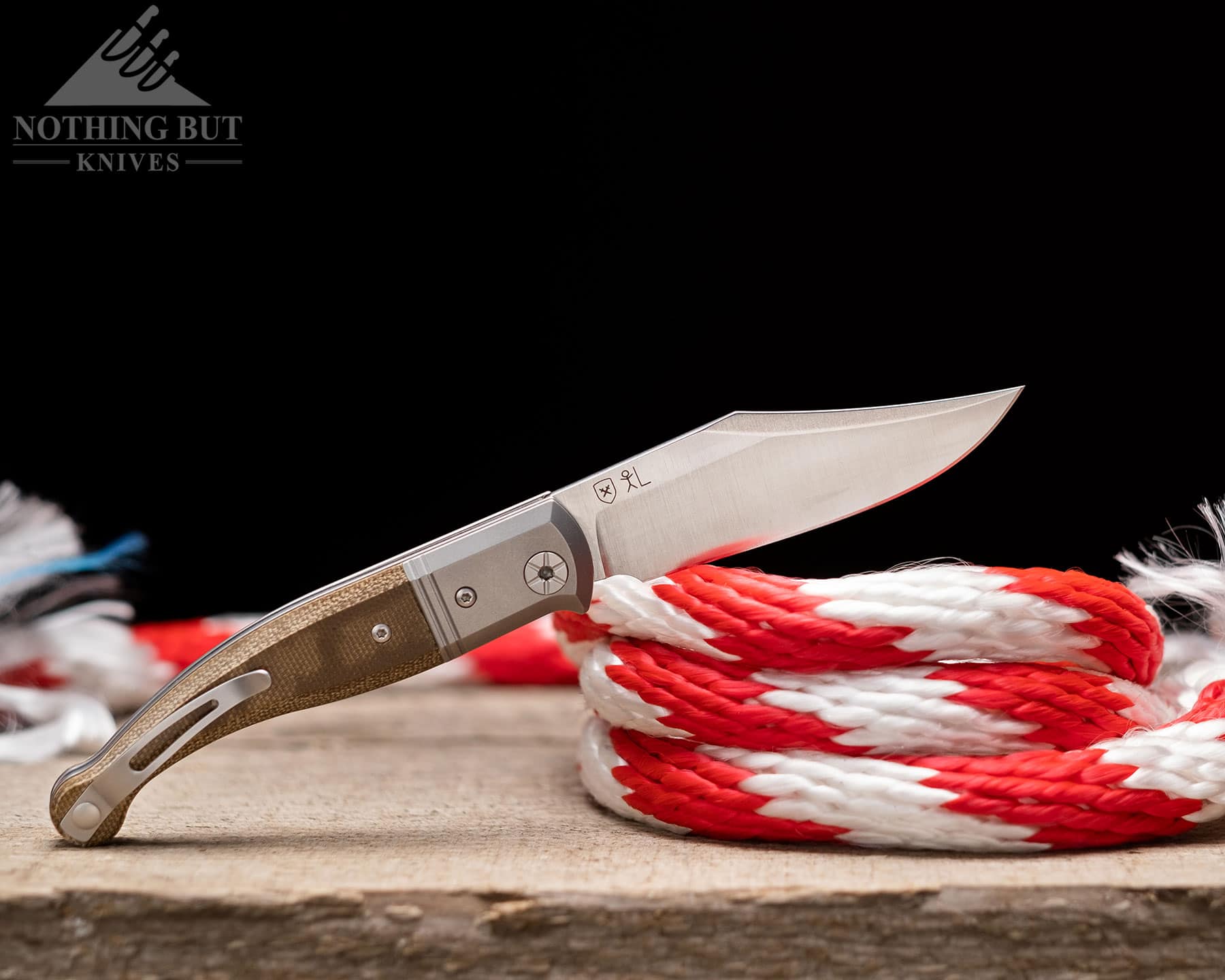
| Overall Length: | 7.5” |
| Blade Length: | 3.5” |
| Steel: | Niolox |
| Blade Shape: | Clip point |
| Handle Length: | 4.0” |
| Handle Material: | Micarta w/ steel bolsters |
| Open System: | NA |
| Half Stop: | Yes |
| Grind: | Flat |
| Carry System: | Tip-up clip |
| Made in: | Italy |
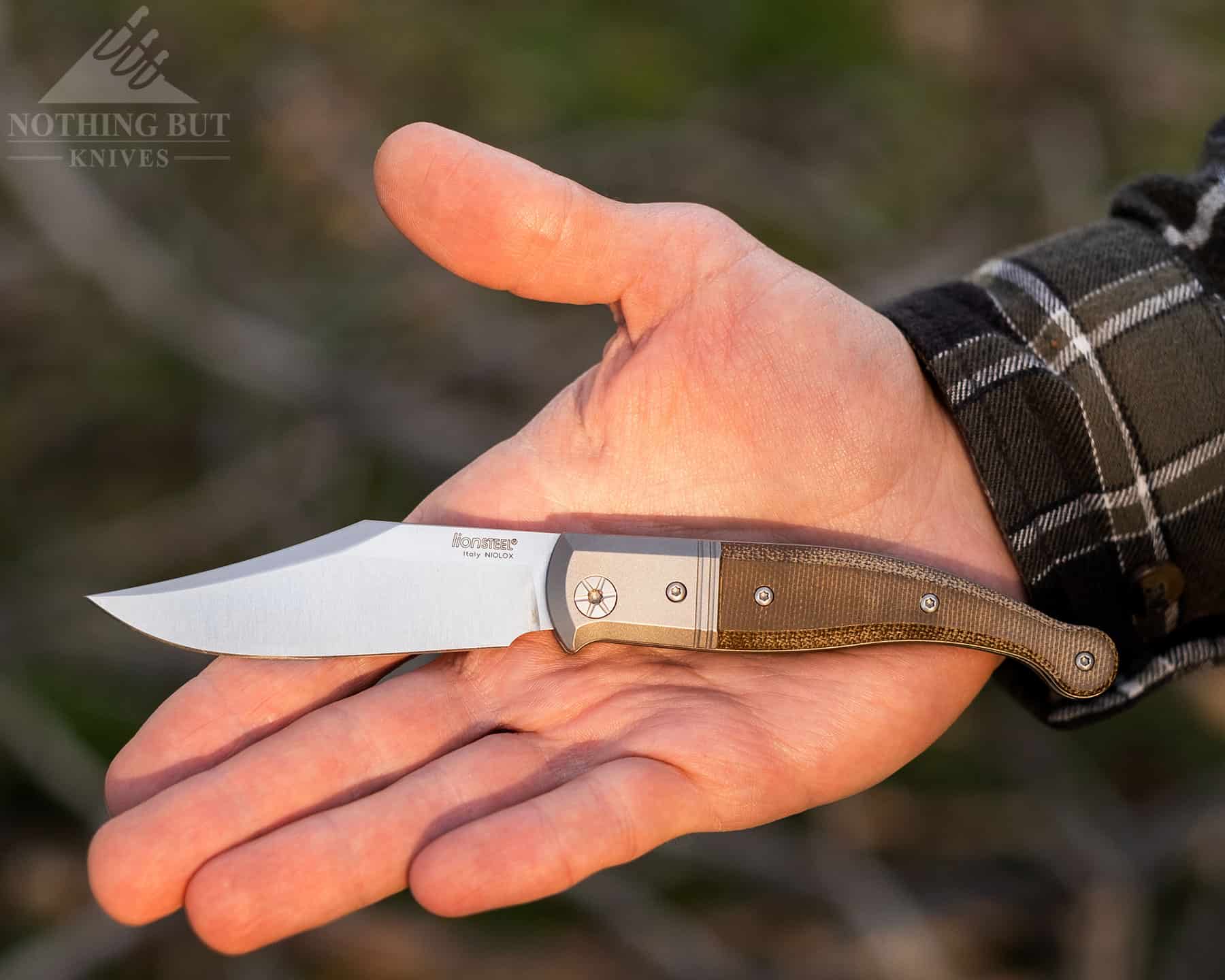
LionSteel was actually a little ahead of the trend with this. The Gitano came out with a respectable array of different handle options a couple years before the slipjoint upswing of the early 20’s.
As far as looks go, I think it’s hard to get nicer than a wood scaled Gitano. The Micarta scales I tested look pretty cool too, although they could be a little grippier, and you can see the evidence of use showing up in the pictures.
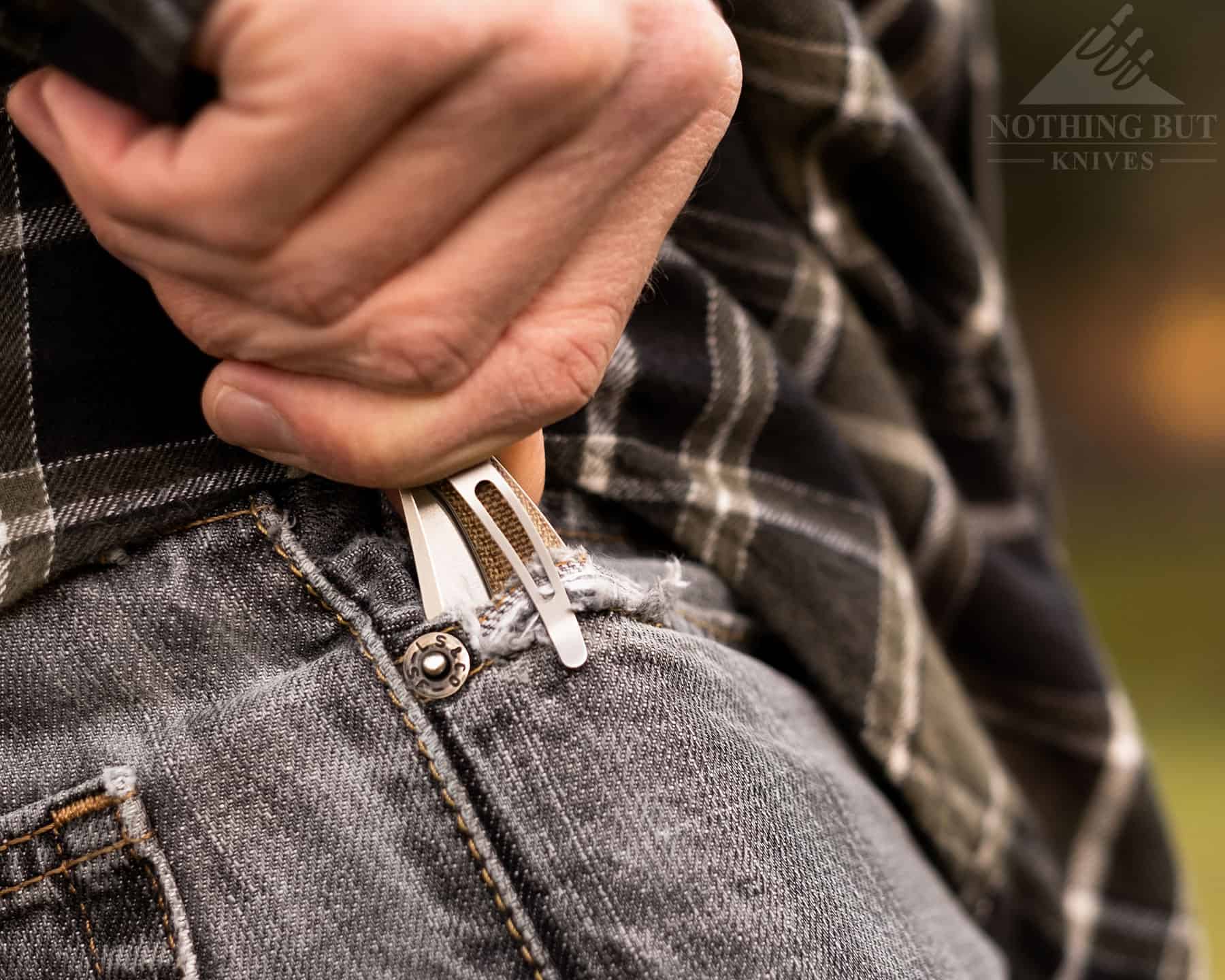
This is a great folder with a big slicey shape, but the Gitano is a hard lesson in learning to deal with a fairly large issue because you love the design so much. Everything about the Gitano from the blade shape to the handle comfort clicks with me. It even carries well for a folder this size, and the tip is severe enough to puncture into a lot of different materials without much pressure.
But the back spring takes a ton of pressure to close up. Enough that, before I wore it down from use, I started closing it with a full grip on the handle and just trusted that the half stop would be enough to keep me from making some new wrinkles on my hands. It’s gotten easier over time, and I can close it normally, but it’s still not something I’d recommend for the weak of heart or hand.
If you’d like to read a longer nuanced opinion, check out our full Gitano review.
Kershaw Federalist – Best EDC Slip Joint
| Overall Length: | 7.5” |
| Blade Length: | 3.25” |
| Steel: | CPM-154 |
| Blade Shape: | Clip point |
| Handle Length: | 4.25” |
| Handle Material: | Canvas Micarta |
| Open System: | Nail nick |
| Half Stop: | Yes |
| Grind: | Flat |
| Carry System: | NA |
| Made in: | USA |
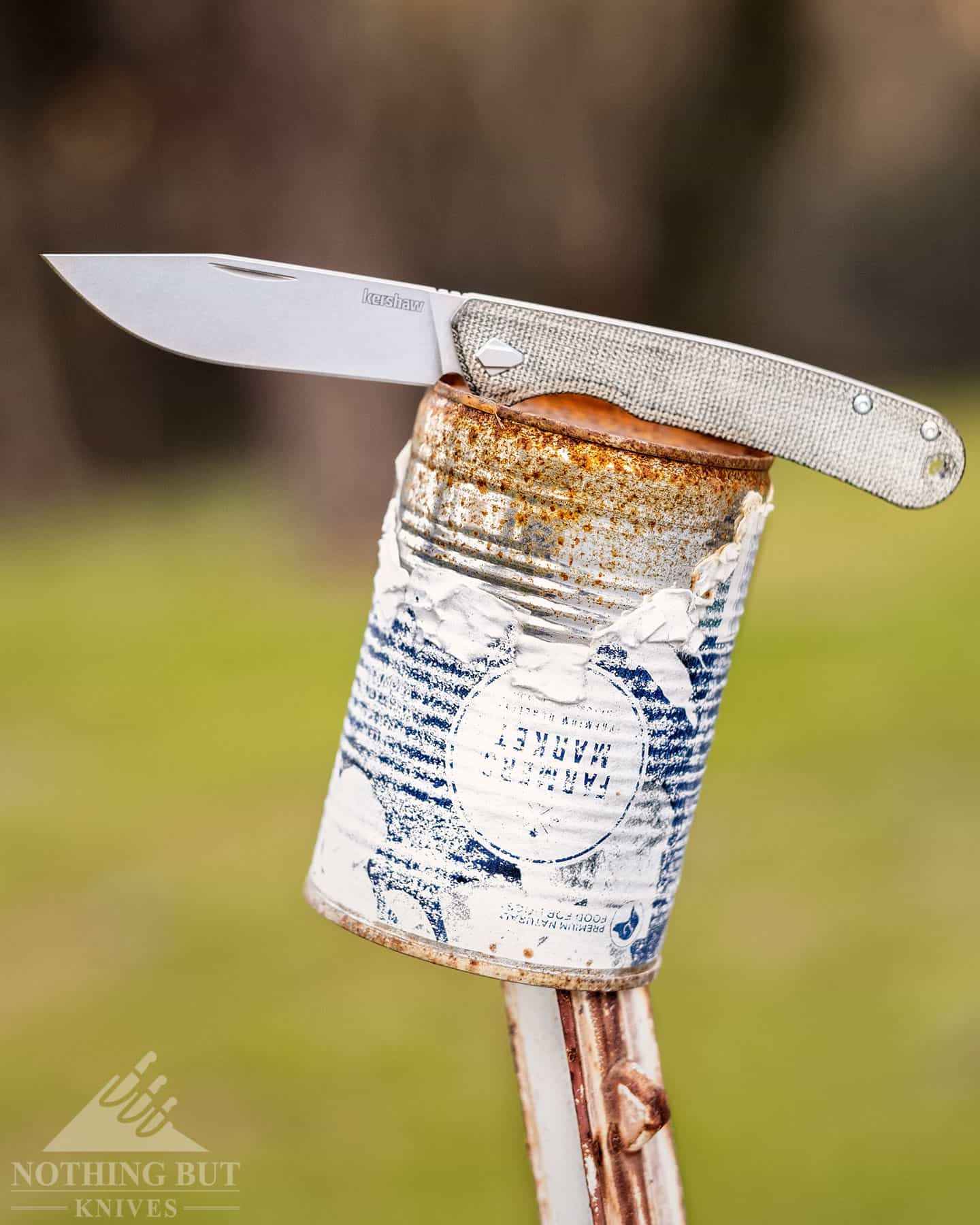
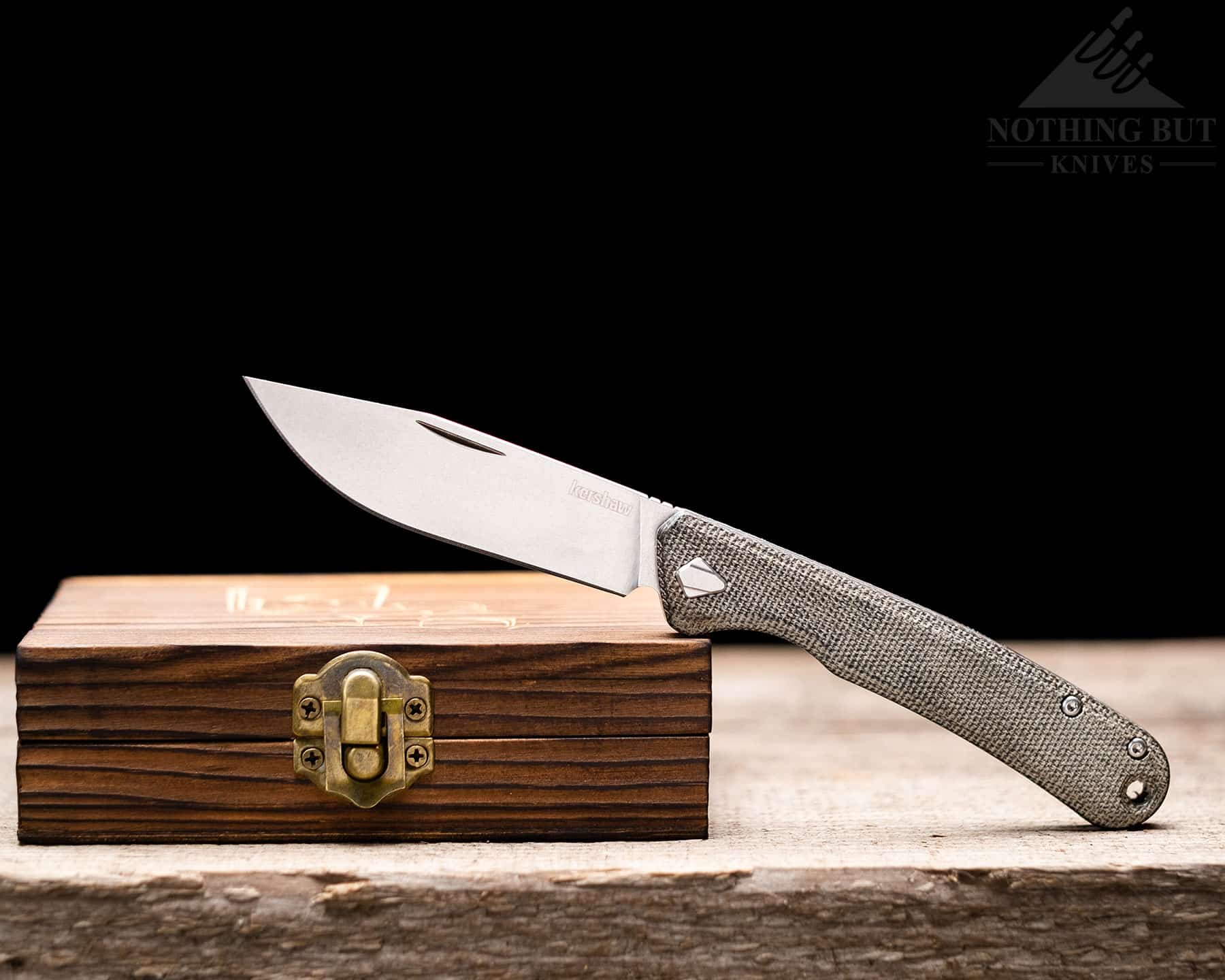
Kershaw really pushed at the traditional styling with the Federalist. I actually appreciate it most for that. This design isn’t about fitting legal carry categories or copying an old knife. It’s a modern homage to old school knives, but it still very much looks and performs like its own style of modern knife.
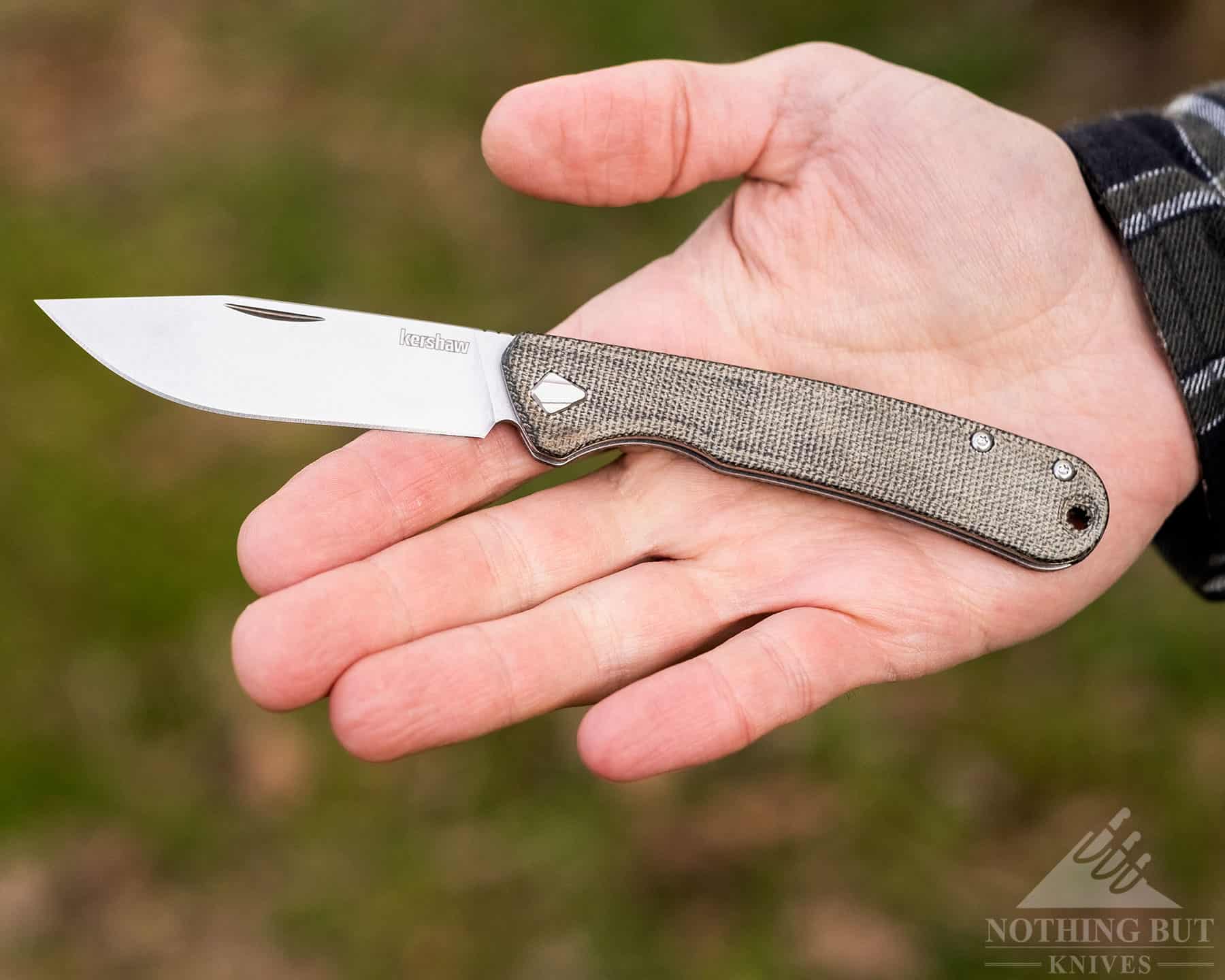
The main issue with it is the light lock up. The Federalist is using a double detent system rather than a spring, so it doesn’t take a lot of pressure to disengage the blade. It’s strong enough to poke through paper without breaking, but I started pinching up on the base of the blade anytime I wanted to puncture something tougher.
Thankfully there’s plenty of room on this knife to make a lot of different grips like that comfortable, and the overall look and weight kind of precludes it to light use in polite company.
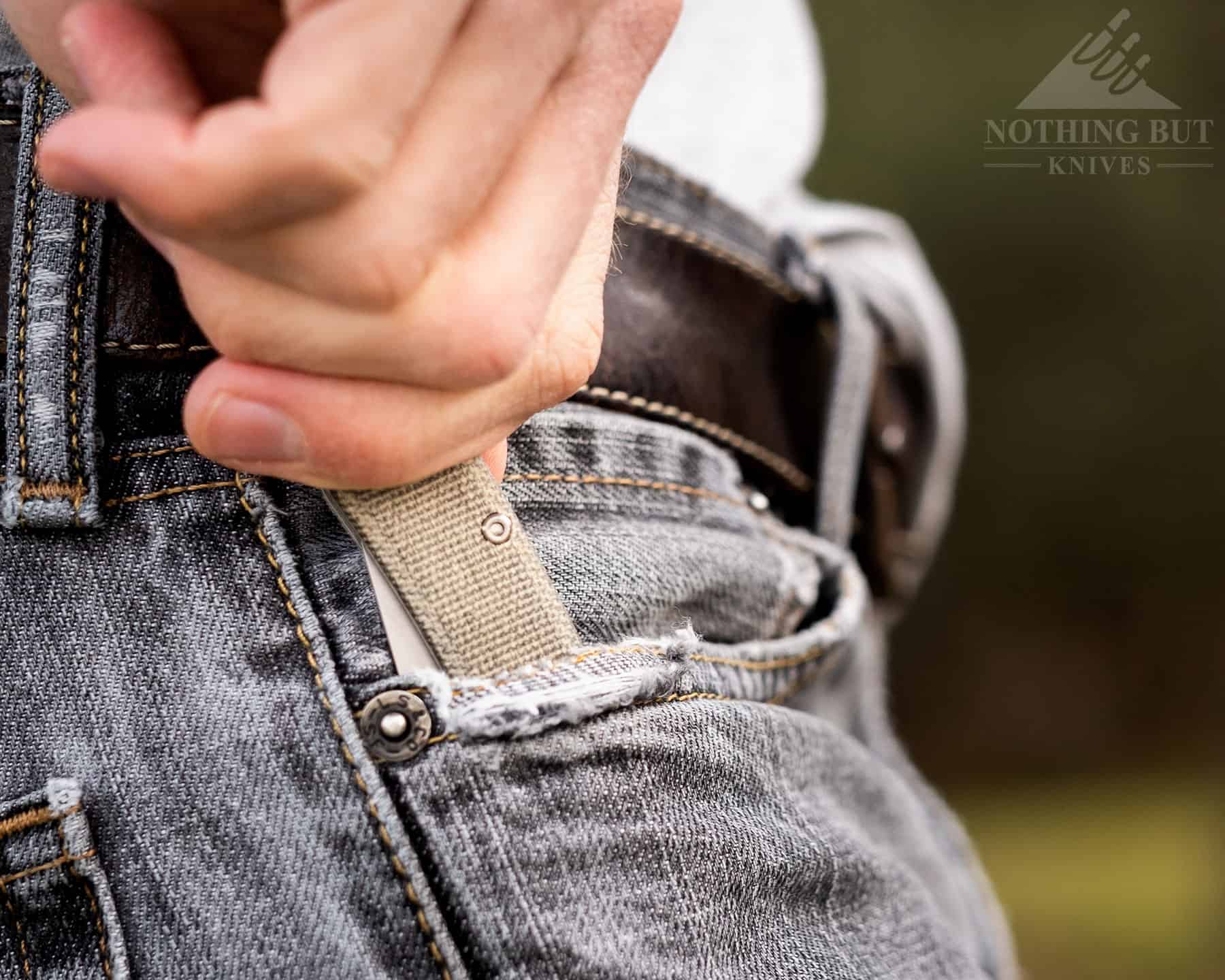
Read our review of the Federalist for more polite and light-use critiquing and pictures. If you are looking for a similar knife with more blades and a bigger price tag check out the Benchmade Weekender.
Old Timer Generational 340TG Middleman – Best Classic Slip Joint
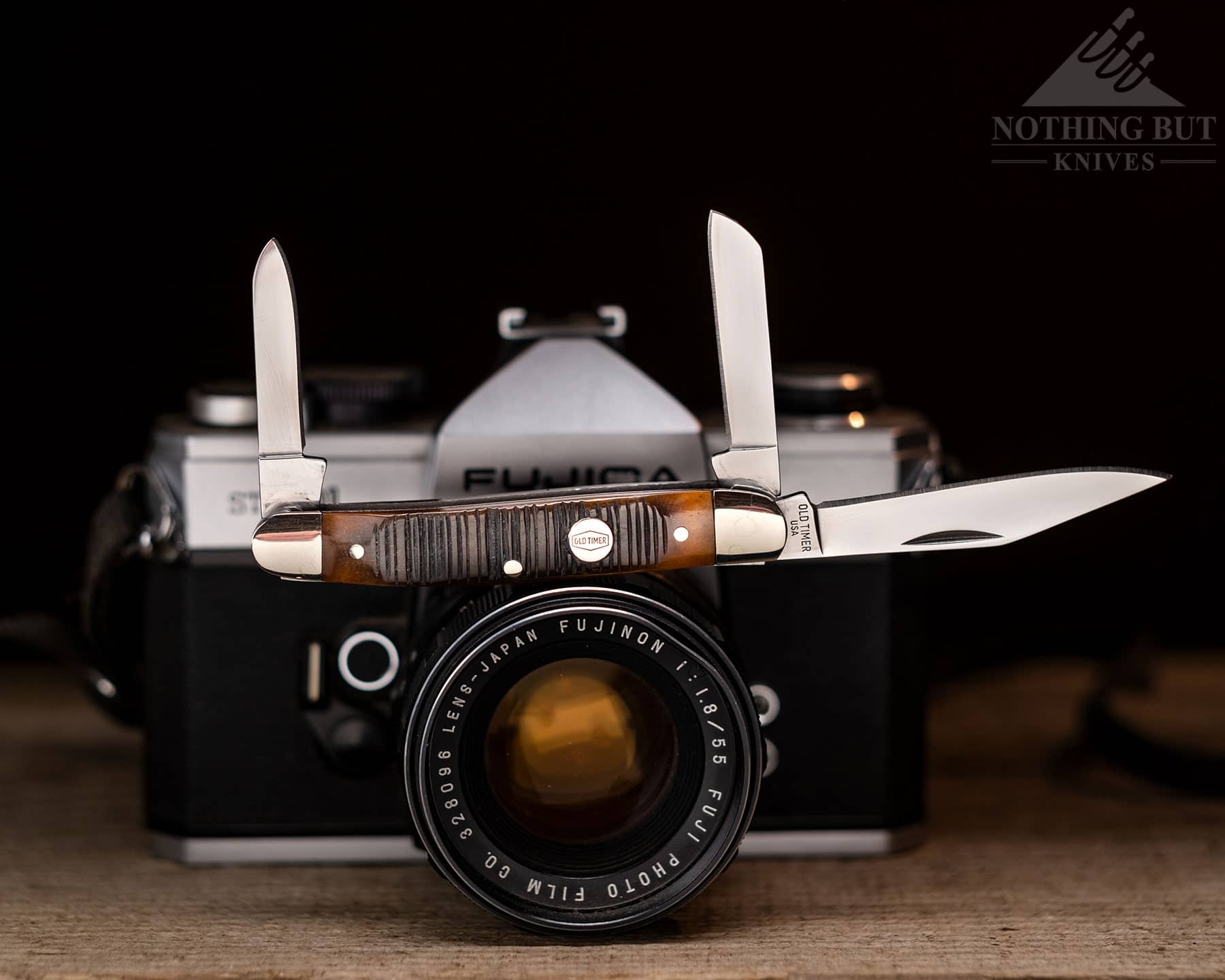
| Overall Length: | 7.1” |
| Blade Length: | 2.4” clip point, 2” sheepsfoot, 1.7” pen blade |
| Steel: | 1095 HC |
| Handle Length: | 3.1″ |
| Handle Material: | Chestnut |
| Open System: | Nail nick |
| Grind: | Flat |
| Carry System: | None |
| Half Stop: | Only on the clip point blade |
| Made in: | USA |
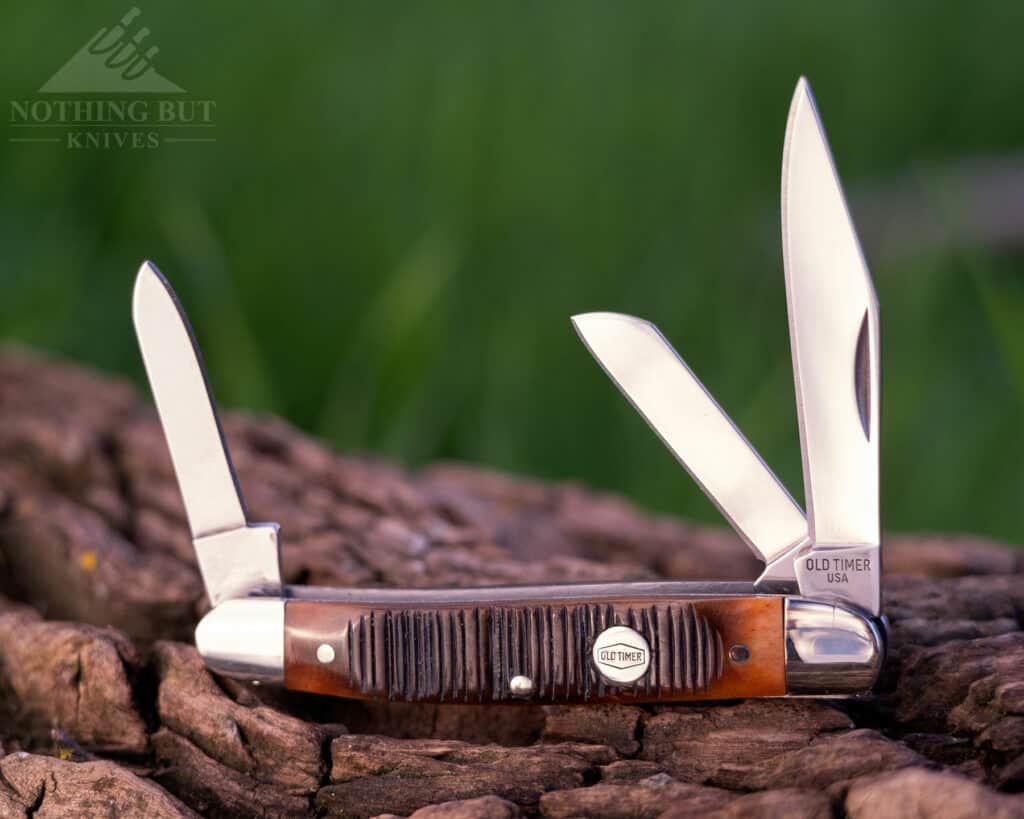
I think this is the kind of knife most of us think of first when we hear the term “slip joint”. A little multi-bladed thing with a jigged handle was the first knife for so many people that this is also probably the reason slip joints are making a comeback now.
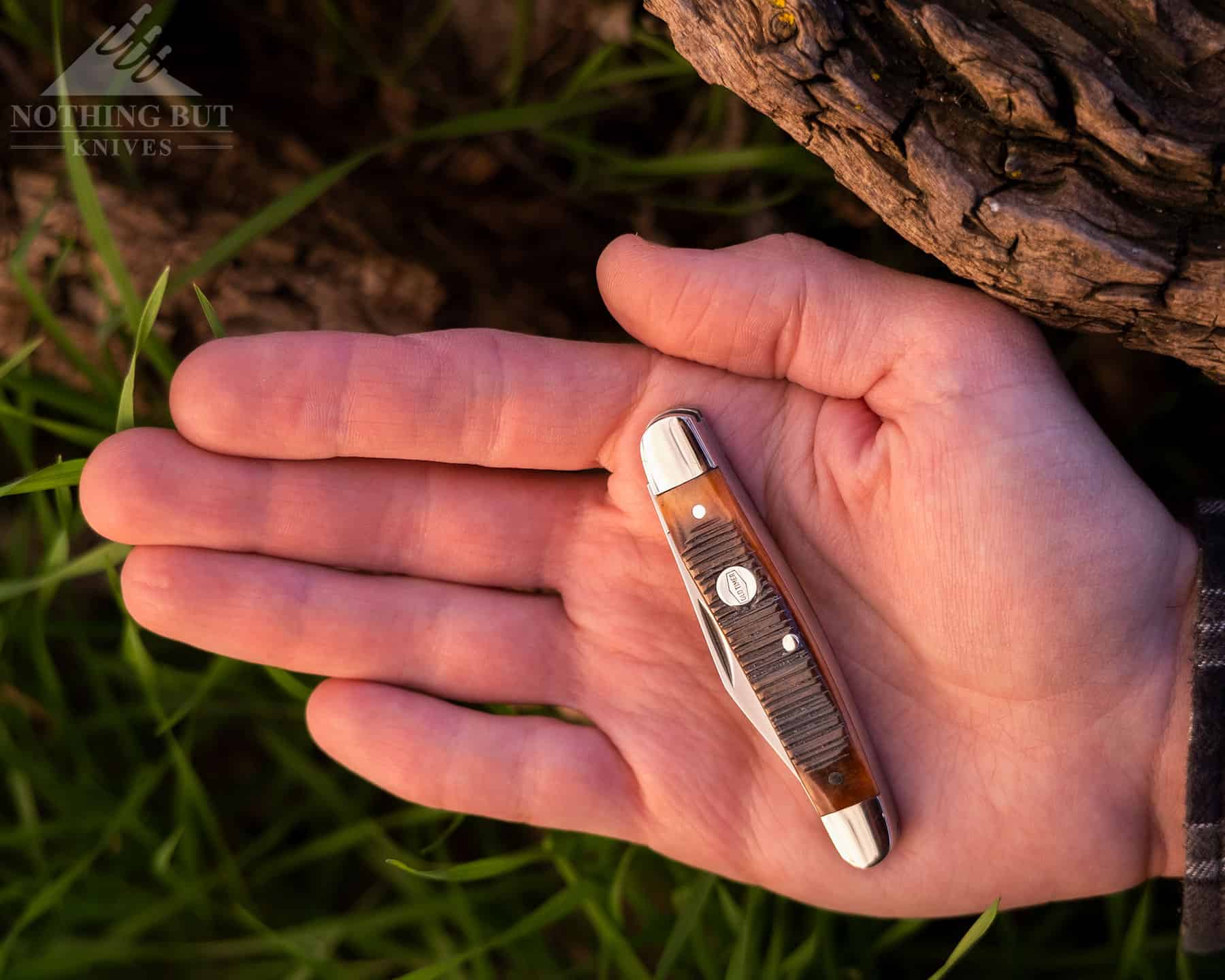
There’s a reason our grandfathers carried things like this, though. Having three blade shapes ends up coming in really handy anytime you find yourself in a situation where you’re fiddling with something.
Whether that thing is whittling a block of wood or trying to unstick the zipper of your tent from your sleeve, something about having options in your pocket makes the prospect of failure a lot more appealing, because there’s always the possibility that you can fix a problem if you push a different shape at it.
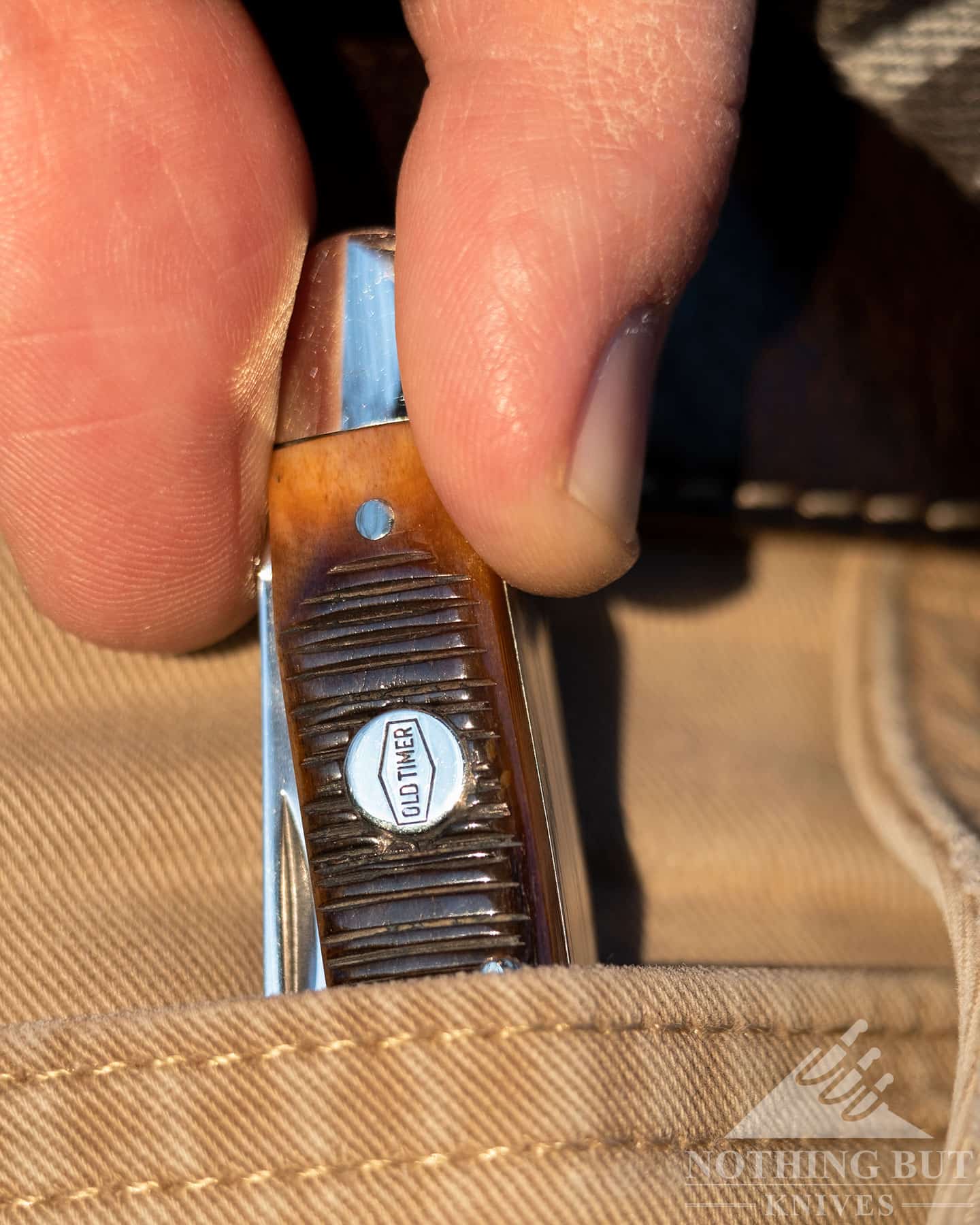
In terms of construction, Old Timer is making an impressive return to American manufacturing with this. The back springs are solid and it carries easily in the third pocket. My only issue is that the only blade with an edge to speak of is the clip point.
RoseCraft Beaver Creek Barlow
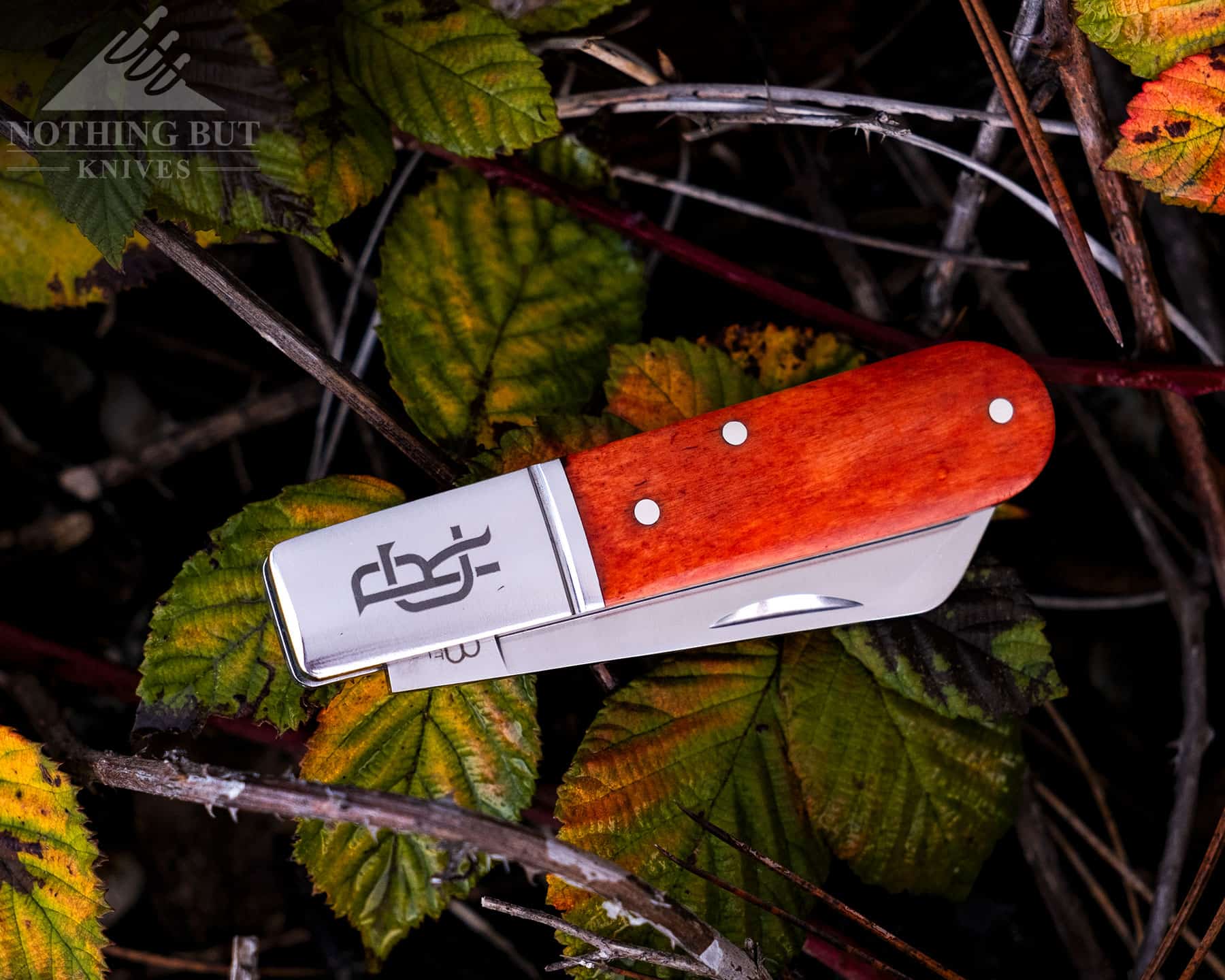
| Overall Length: | 6.4” |
| Blade Length: | 2.9” |
| Steel: | D2 |
| Blade Shape: | Sheepsfoot |
| Handle Material: | Bone w/ steel bolsters |
| Open System: | Nail nick |
| Grind: | Full Flat |
| Carry System: | None |
| Half Stop: | Only on the clip point blade |
| Made in: | USA |
For being a newer company, RoseCraft does an exceptionally good job at designing classic slip joints. The Beaver Creek Barlow is one of the more pure examples of that ability with its tall sheepsfoot blade and dyed bone handle.
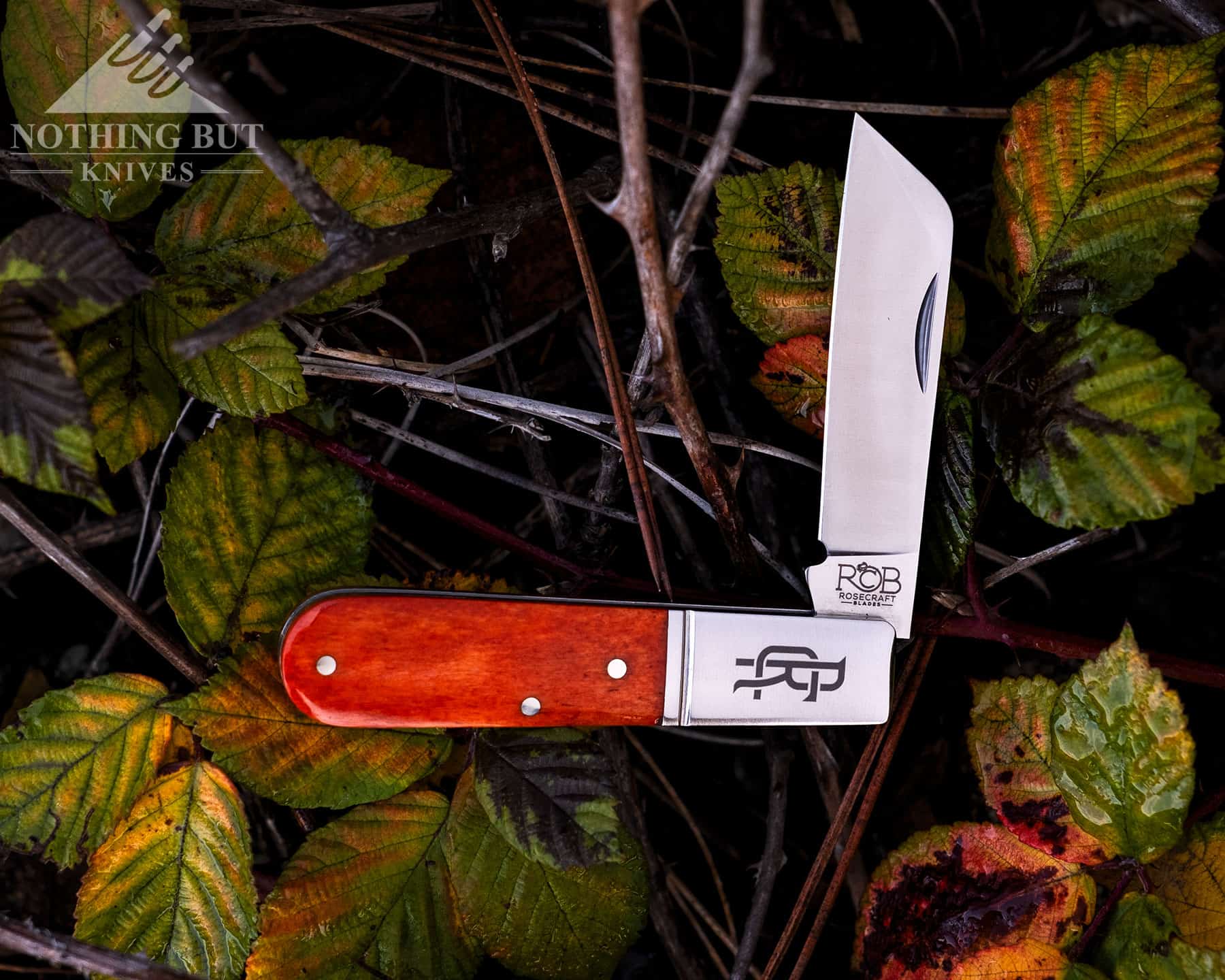
Made in China it might be, but the fit and finish is solid. The spring tension is strong without making it too hard to open the blade, the half stop is firm, and it’s pretty hard to feel transitions between the bolsters, scales, and liners anywhere on the handle.
And while it’s not perfectly optimized for comfort, the handle has a squared off shape that keeps the blade from turning in the hand, which was very much a hallmark of a certain era of pocket knives.
It has a nice edge too, but the blade is almost three millimeters thick and D2 doesn’t usually like to take too polished an edge, so it can feel slow on a paper test, but it’ll cut through rubber if you need it to and it is a beast in the field (if that’s where you plan to take it).
We spent a few weeks carrying this slip joint as an EDC. Check out our in-depth RoseCraft Beaver Creek Barlow Review to find out what we thought of it.
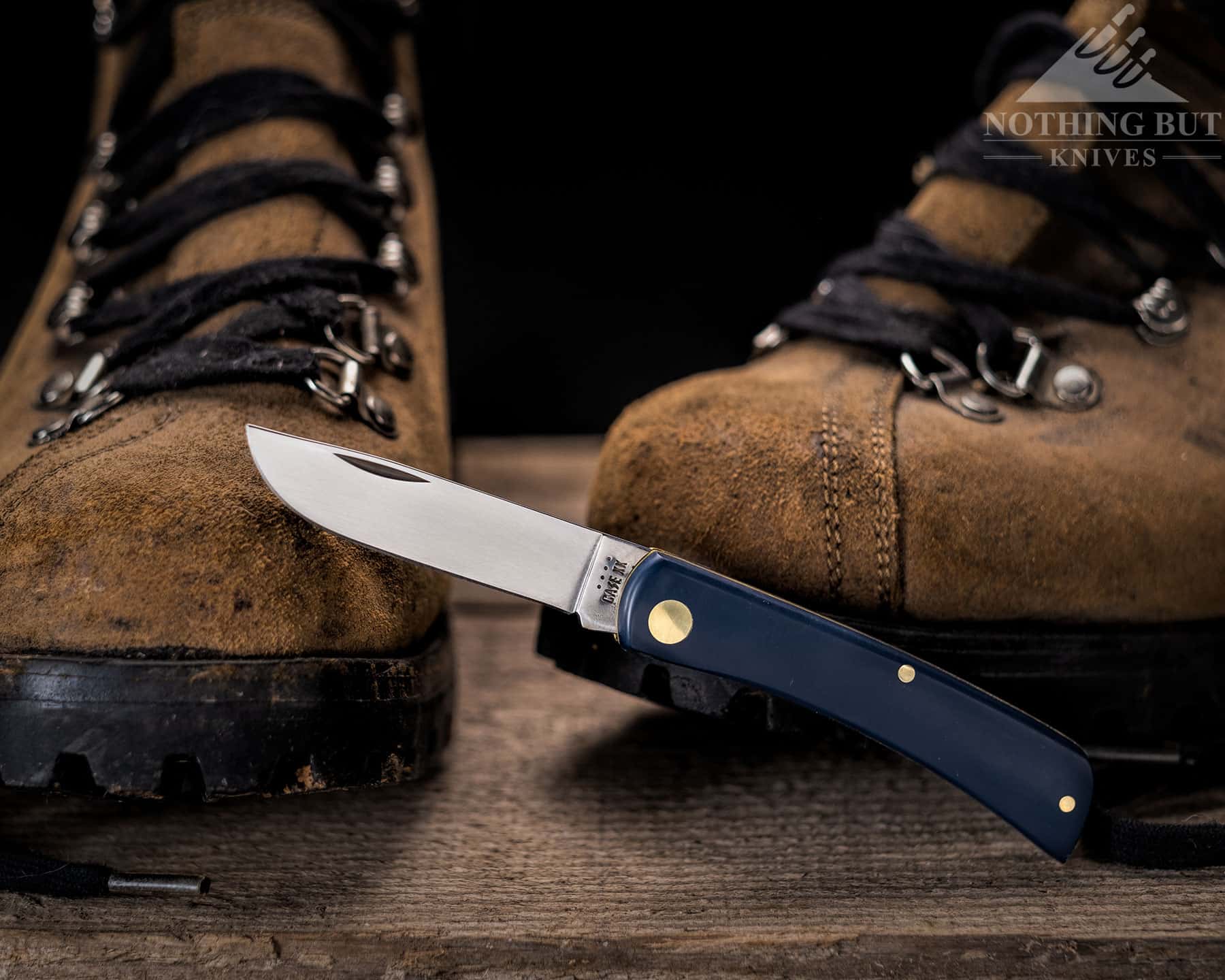
Case Sod Buster – Best Hard Use Slip Joint
| Overall Length: | 6.95” |
| Blade Length: | 3.7” |
| Steel: | Tru-Sharp Stainless |
| Blade Shape: | Drop point |
| Handle Length: | 3.725” |
| Handle Material: | Polymer or bone |
| Open System: | Nail nick |
| Half Stop: | No |
| Grind: | Flat |
| Carry System: | None |
| Made in: | USA |
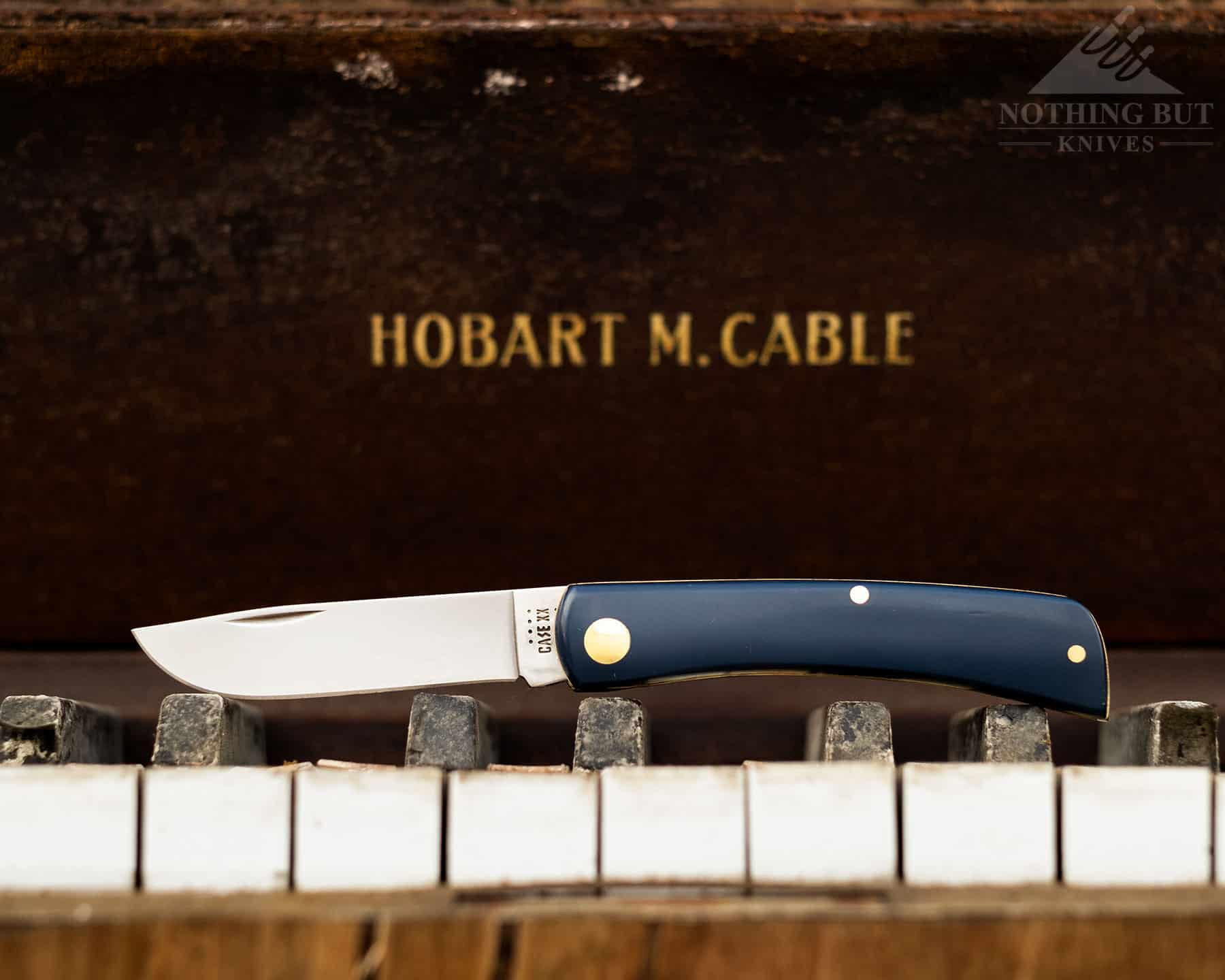
Some mysterious, historical force makes the Sod Buster feel oddly wholesome to use.
Some of that mysterious force is in the lines of the handle, to be fair. This is comfortable for a little knife. But it’s also very simple, with solid coloring and a smooth blade shape. It’s one of the only knives I’ve ever seen and used that made me want to describe it as “agreeable”.
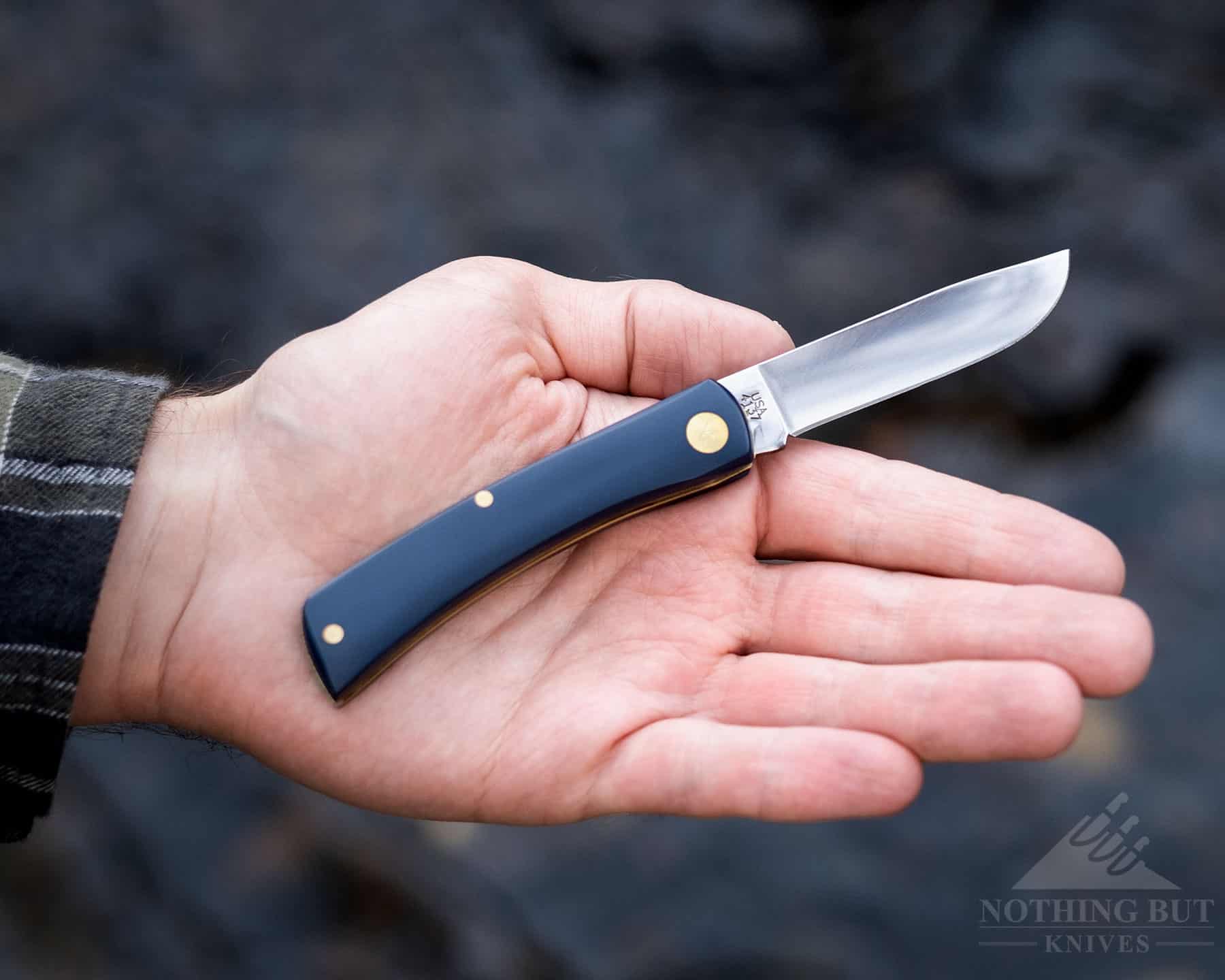
Getting past the cuddly emotional response a Sod Buster invokes, though, it really is a great knife to throw into your tackle box or glove compartment. Those broad, gentle lines of the blade also make it pretty tough along with the Tru-Sharp steel (which is Case’s proprietary version of 420HC).
It doesn’t come razor sharp, but it doesn’t take much effort to touch the edge up. It’s a solid piece that you could put to work just about anywhere.
Remington Backwoods Congress
| Closed Length: | 4.125” |
| Steel: | Stainless |
| Blade Shape: | Clip point / serrated sheepsfoot |
| Handle Length: | 2.5” |
| Handle Material: | Jigged Bone |
| Open System: | Nail Nick |
| Half Stop: | Yes |
| Grind: | Flat |
| Carry System: | NA |
| Made in: | China |
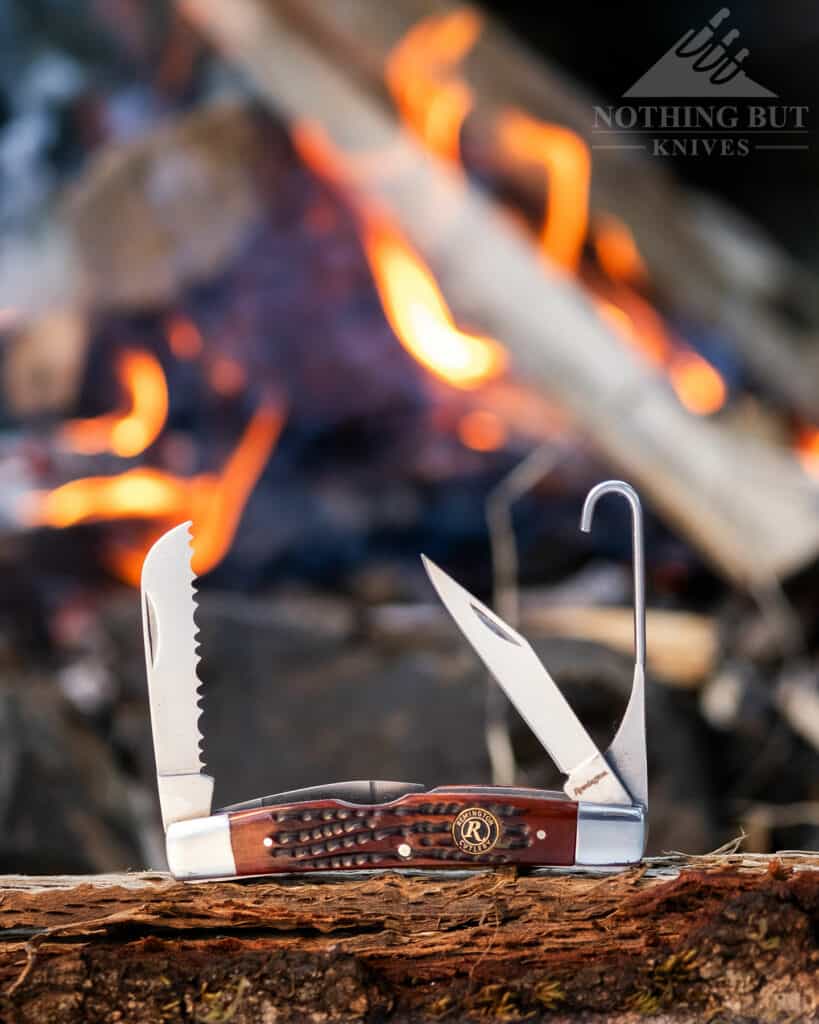
The jigged bone handle makes this Remington knife feel pretty old school, but it still stands out from other congress designs.
Where there would normally be four plain-edge blades of various lengths, the Remington Backcountry Congress changes up the pattern with choke tube tool, a bird gut hook, and serrated sheepsfoot blade, so it has a nice range of uses, especially if you’re out hunting fowl.
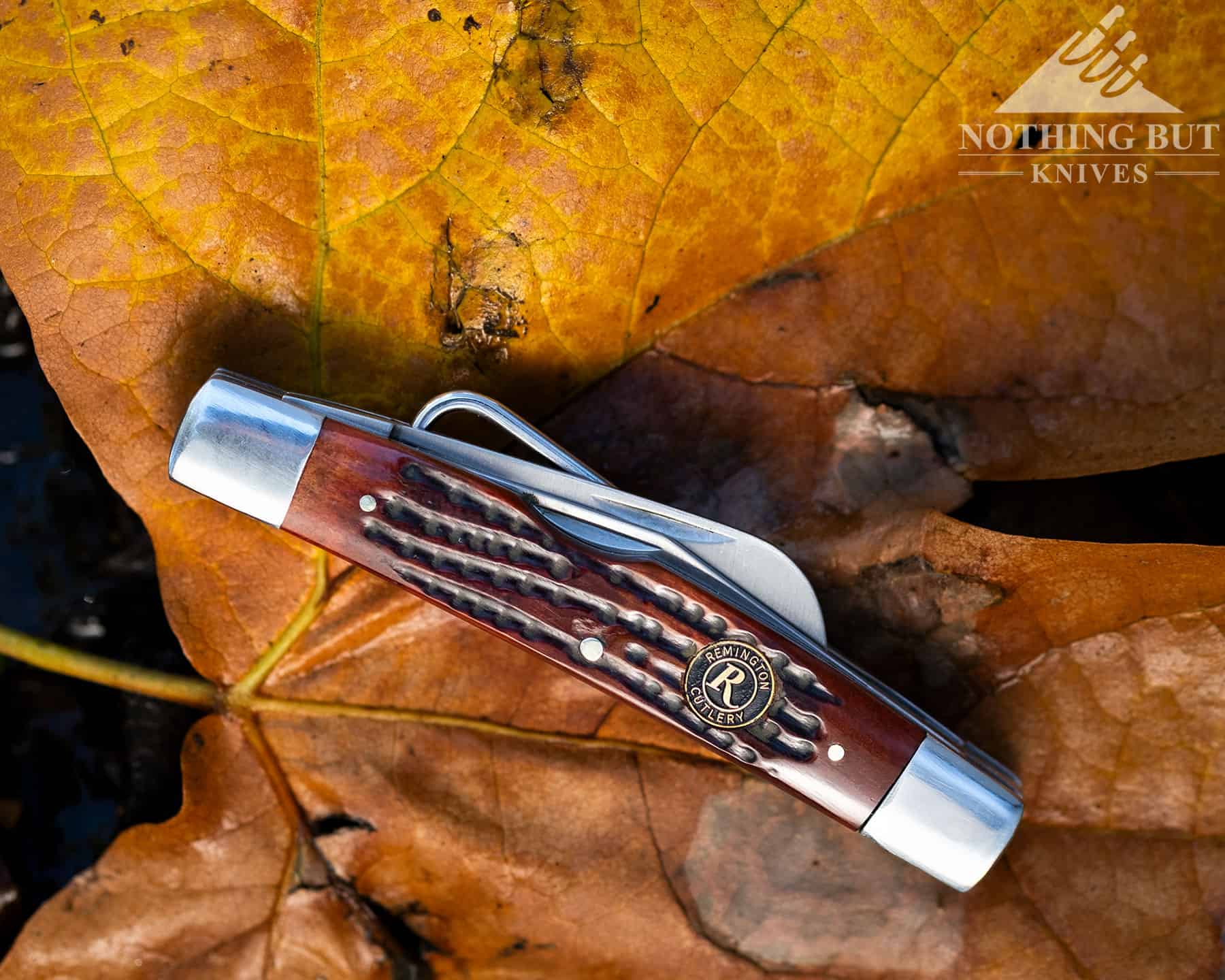
There’s no pocket clip, sheath, or sleeve to speak of with this, so you’ll be down to stuffing it in your pocket, tackle box, or hunting rig. And it can be a little tricky to pull out a tool with just the nail nick as the blades seat pretty deep into the handle.
That also makes it very slim with it’s closed, though. As far as free-floating pocket knives go, Remington’s Backwoods Congress rides pretty easy.
It’s part of their Backwoods series of knives, which features the same handle with a Remington Cutlery medallion inlay on all the designs. It’s worth taking a look at the whole line if you’re looking for reasonably priced outdoor knives with an old school vibe.
Civivi Ki-V – Best Modern Slip Joint
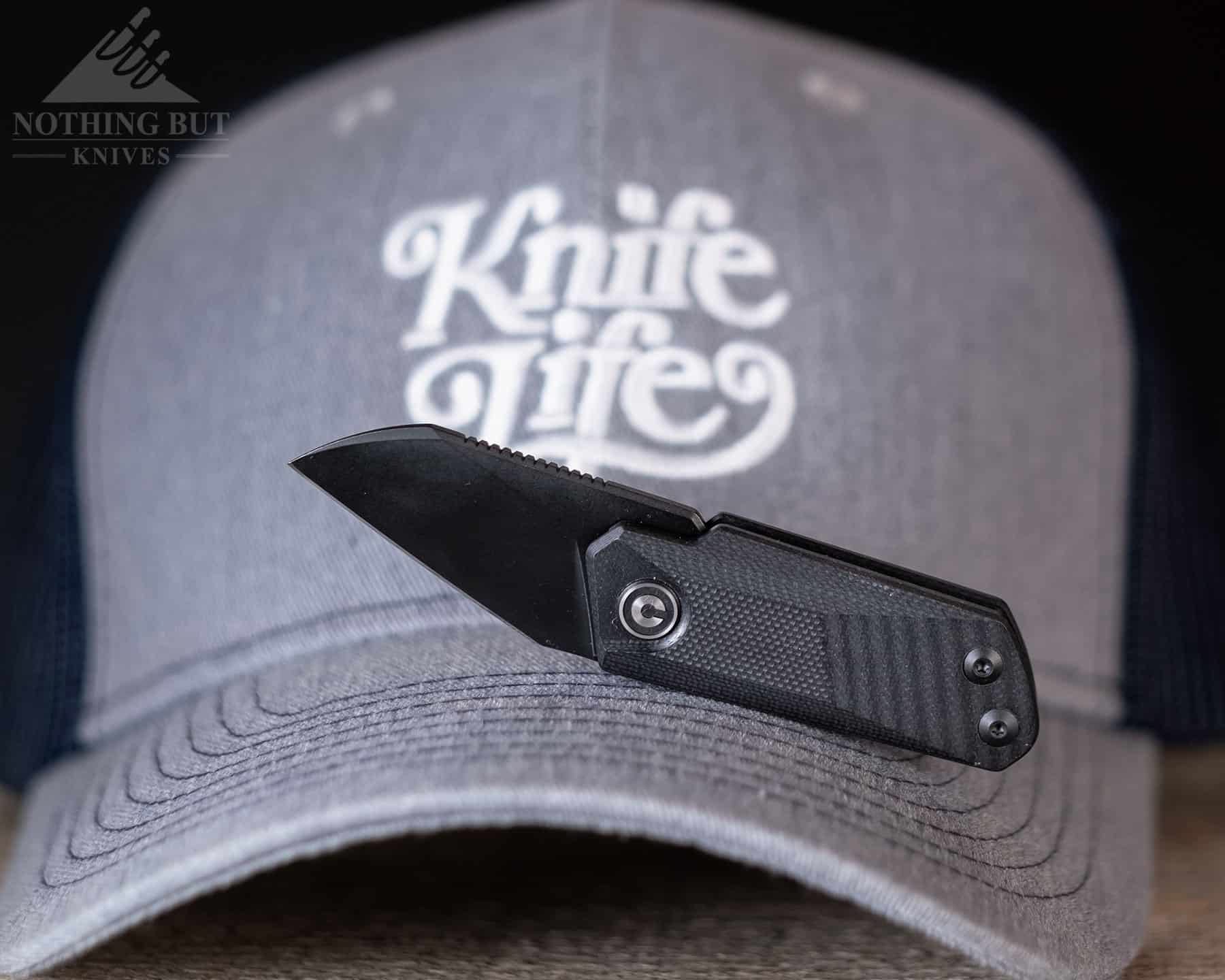
| Overall Length: | 4.0” |
| Blade Length: | 1.5” |
| Steel: | 9Cr18MoV |
| Blade Shape: | Modified everything |
| Handle Length: | 2.5” |
| Handle Material: | G-10 |
| Open System: | Flipper |
| Half Stop: | No |
| Grind: | Flat |
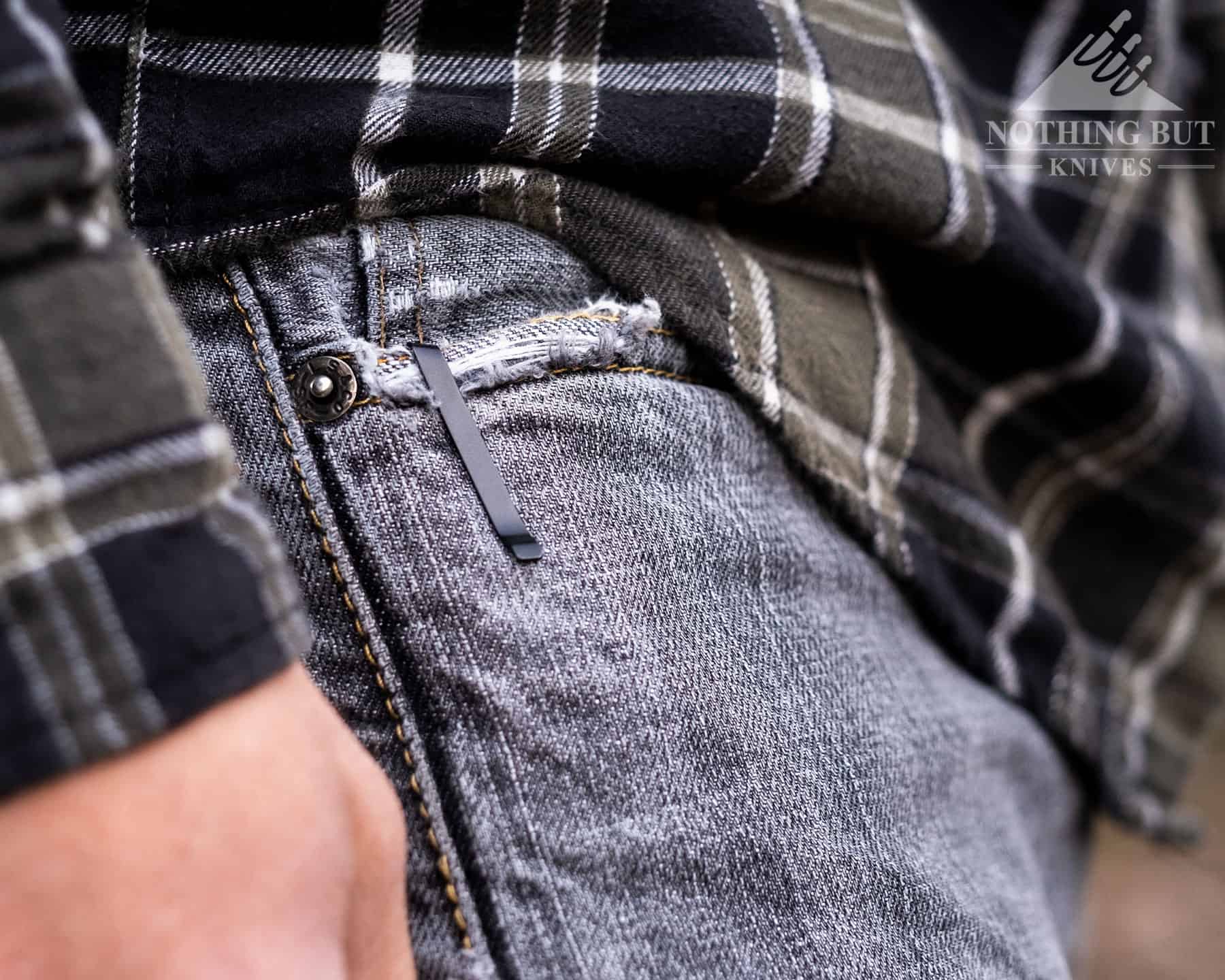
| Carry System: | Tip-up clip, reversible |
| Made in: | China |
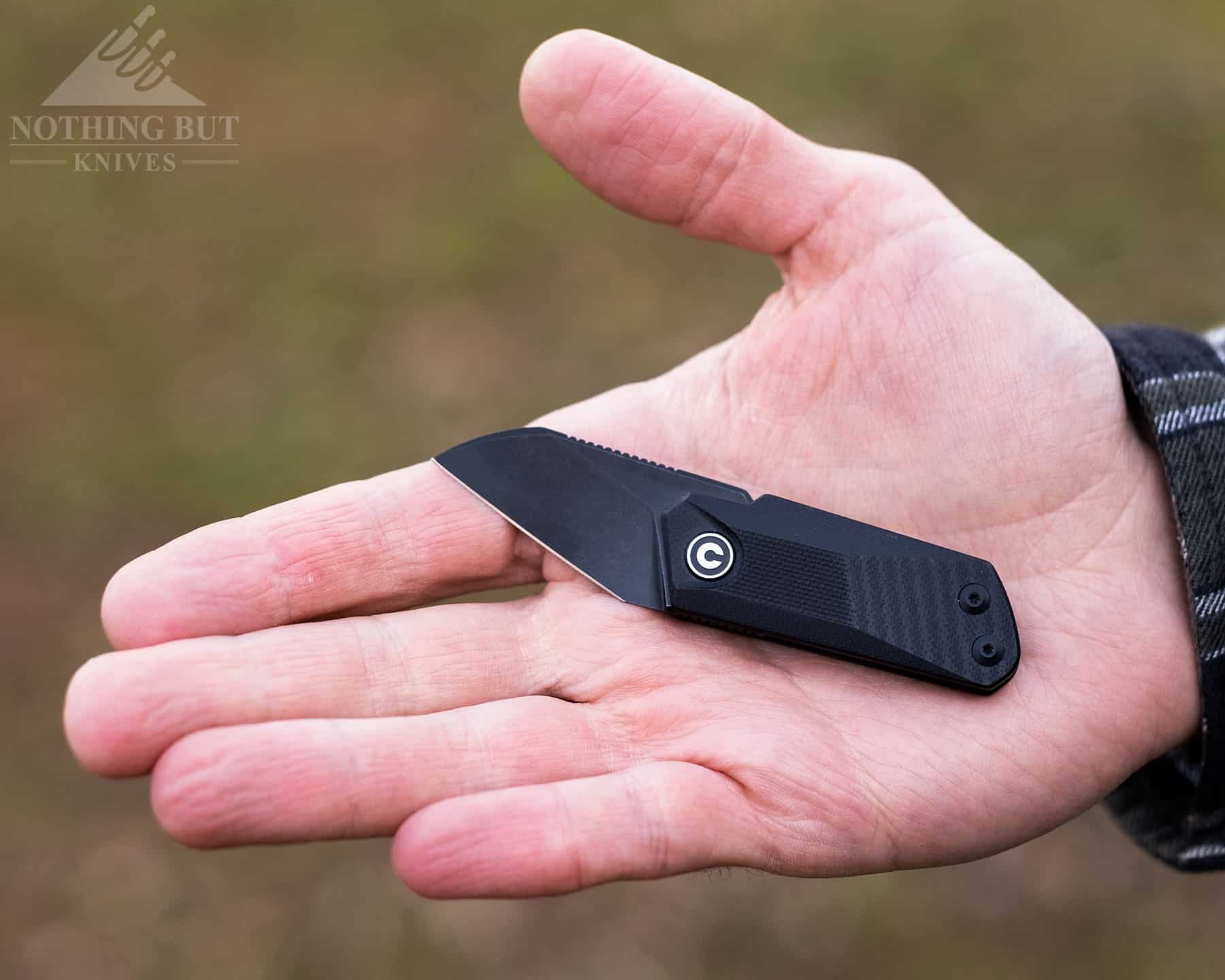
This is one of those frustrating knives that you get as a novelty interest but end up using for 60% of your daily house tasks. Soon that sensible shadow creeps up the back of your head and whispers “this is all the knife you really need”, so in that sense I wouldn’t recommend the Ki-V. It reveals too much.
But putting personal feelings aside, this is a pretty sweet little innovation from designer Ostap Hel.
The blade grind and shape makes it great for flat-surface cutting, and being a slip joint with a blade under two inches makes it about as legally pliant as it’s possible for a sharp object to get. I have to give props to Civivi for getting in on the slip joint crowd with something I can honestly say I’ve never seen before.
Kershaw Pub – Best Drinkin’ Slip Joint
| Overall Length: | 4.5” |
| Blade Length: | 1.6” |
| Steel: | 8Cr13MoV |
| Blade Shape: | Sheepsfoot |
| Handle Length: | 3.6” |
| Handle Material: | Aluminum |
| Open System: | Extended tang |
| Half Stop: | No |
| Grind: | Hollow |
| Carry System: | Keychain |
| Made in: | China |
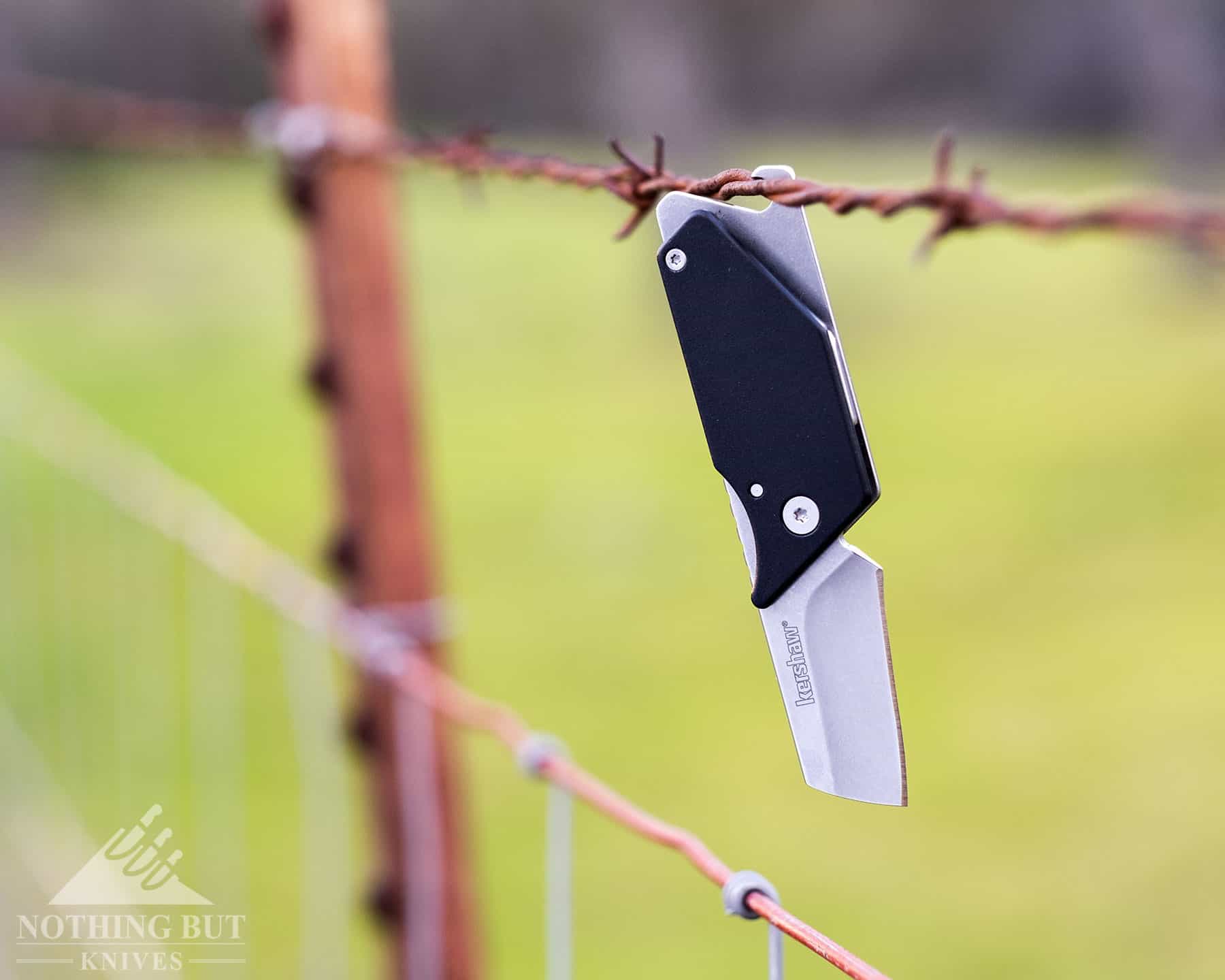
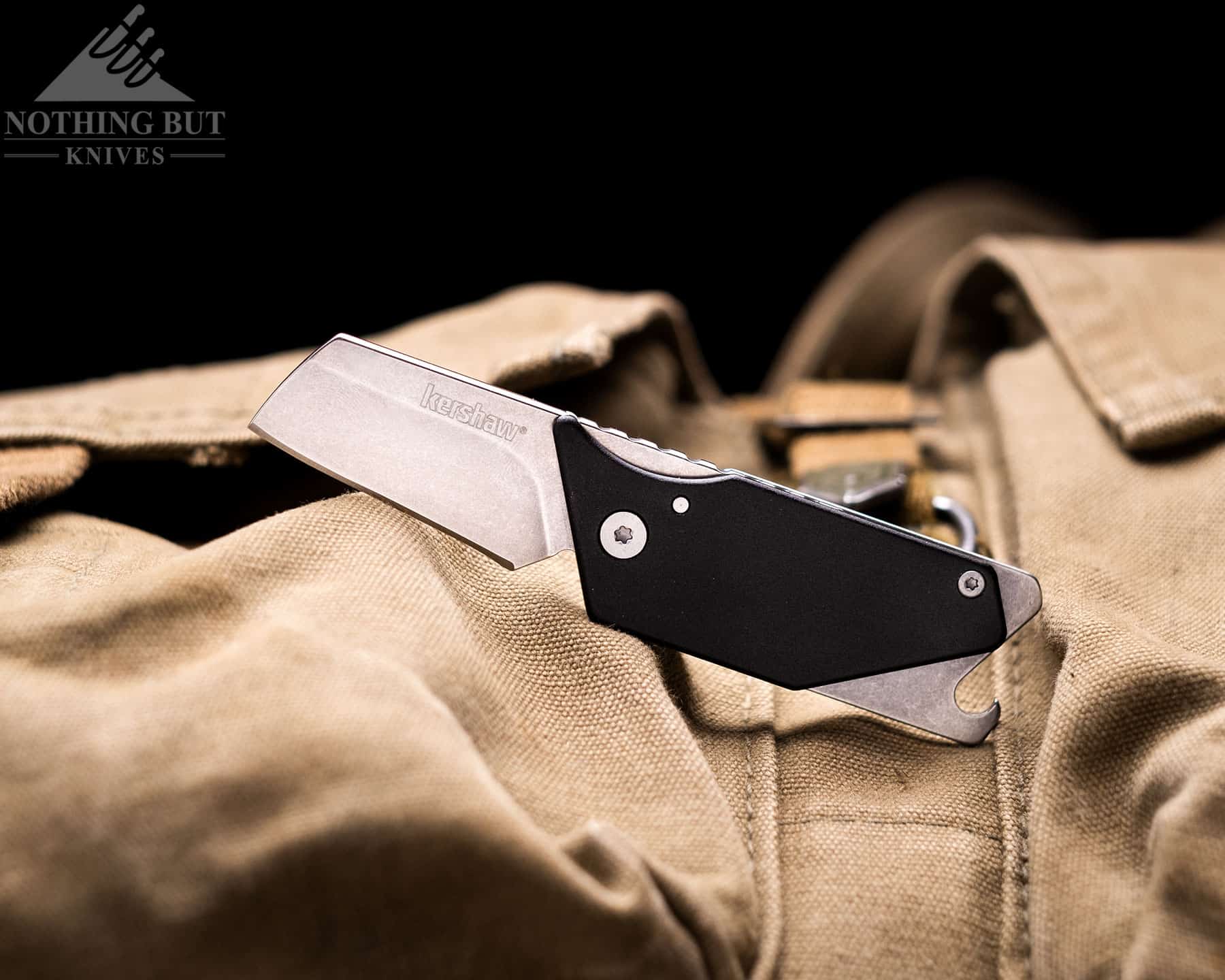
Continuing in the vein of things I’ve never seen before, the Pub has a lot of cool, original things going on with it.
It’s technically a slip joint because of the double detents in the handle liners, but it kind of doubles as a friction folder because of the extended tang which acts as a double security measure keeping the blade from closing on your fingers. I like it a lot in that sense.
Between the bottle opener and the tang, the Pub has so much going on in a small space.
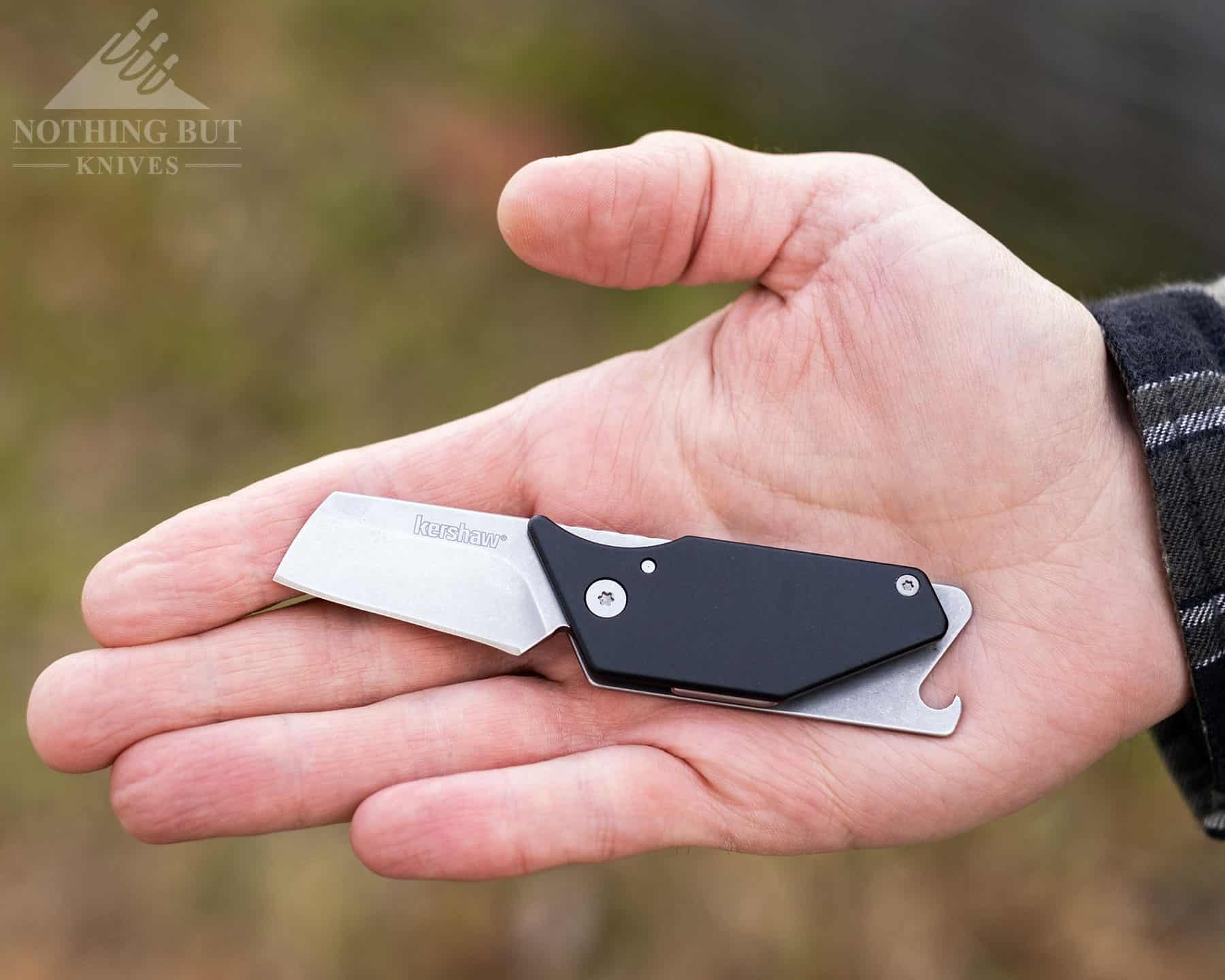
But good God, it takes me a solid minute to work out which direction the blade opens every single time I take it out.
It’s at a point now that when someone asks me for a knife, I just hand this to them and walk away before they can ask me questions, because the spectacle of watching someone else stare dumbly at this funky rectangle before pushing on it three different ways before getting the blade to come out is usually more efficient than saying something incomprehensible like “it opens opposite of the thumb indent”.
On a more knife-nerd minutia kind of point, this is the only knife on here with a hollow grind (for now), and it has an impressively tall grind for such a small knife, which gives it a reasonably smooth cutting action.
Case Crossroads EDC Barlow
| Overall Length: | 5.88” |
| Blade Length: | 2.5” |
| Steel: | S35VN |
| Blade Shape: | Clip point |
| Handle Length: | 3.38” |
| Handle Material: | Richlite w/ G10 bolsters |
| Open System: | Nail nick |
| Half Stop: | Yes |
| Grind: | Flat |
| Carry System: | NA |
| Made in: | Pennsylvania, USA |
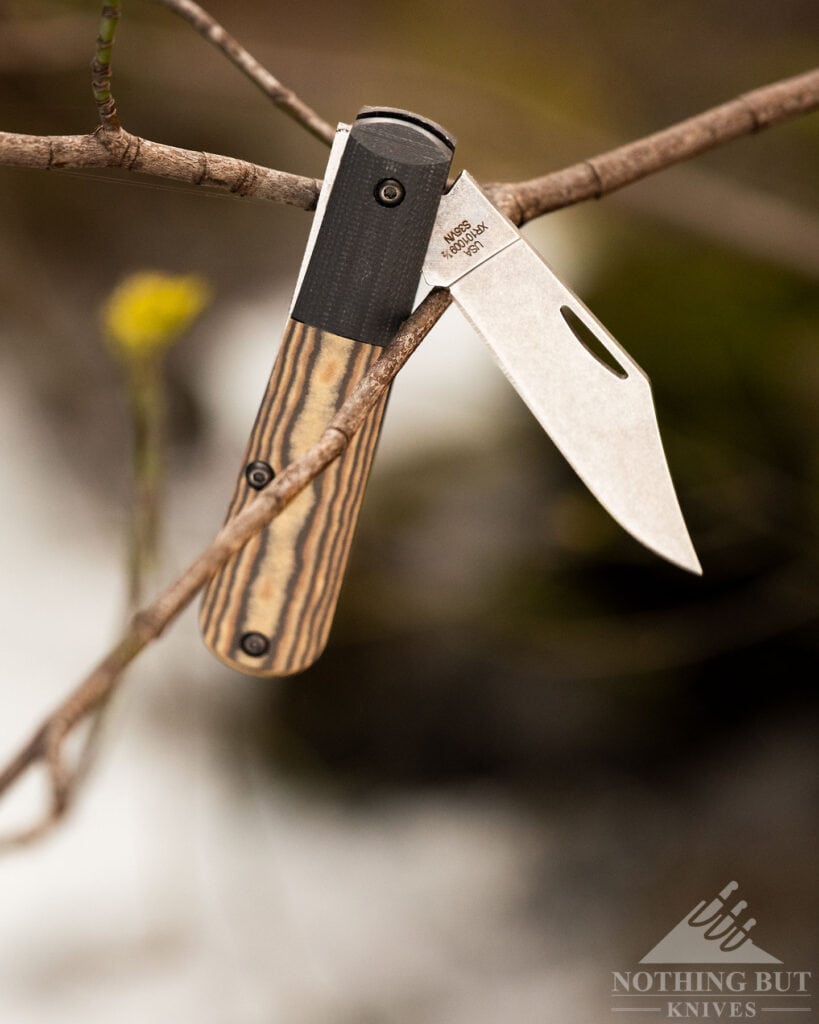
Case’s push to update classic models hits its stride beautifully with the Cross Barlow. The Richlite scales give it a little more grip than the typical bone or polymer options, and the S30V steel is miles better for edge retention and corrosion resistance than Case’s Tru-Sharp (no hate on Tru-Sharp, though; we still like it).
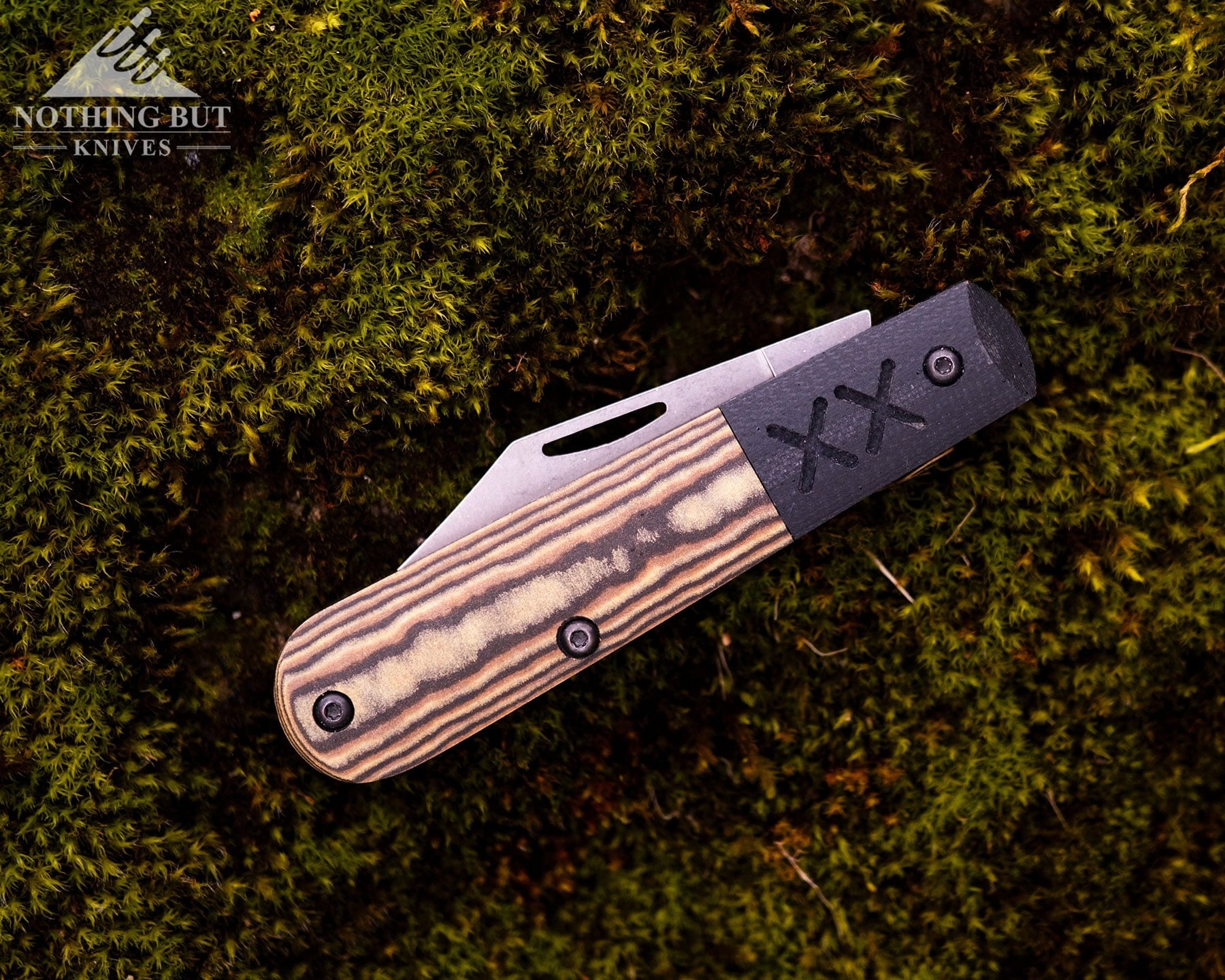
Walk and talk on this is pretty snappy with a strong half stop. It’s got a pretty small blade with a fine clip point, so you can get some delicate work done with it, and the rounded pill-style handle is pretty comfortable to seat into the hand as you’re working.
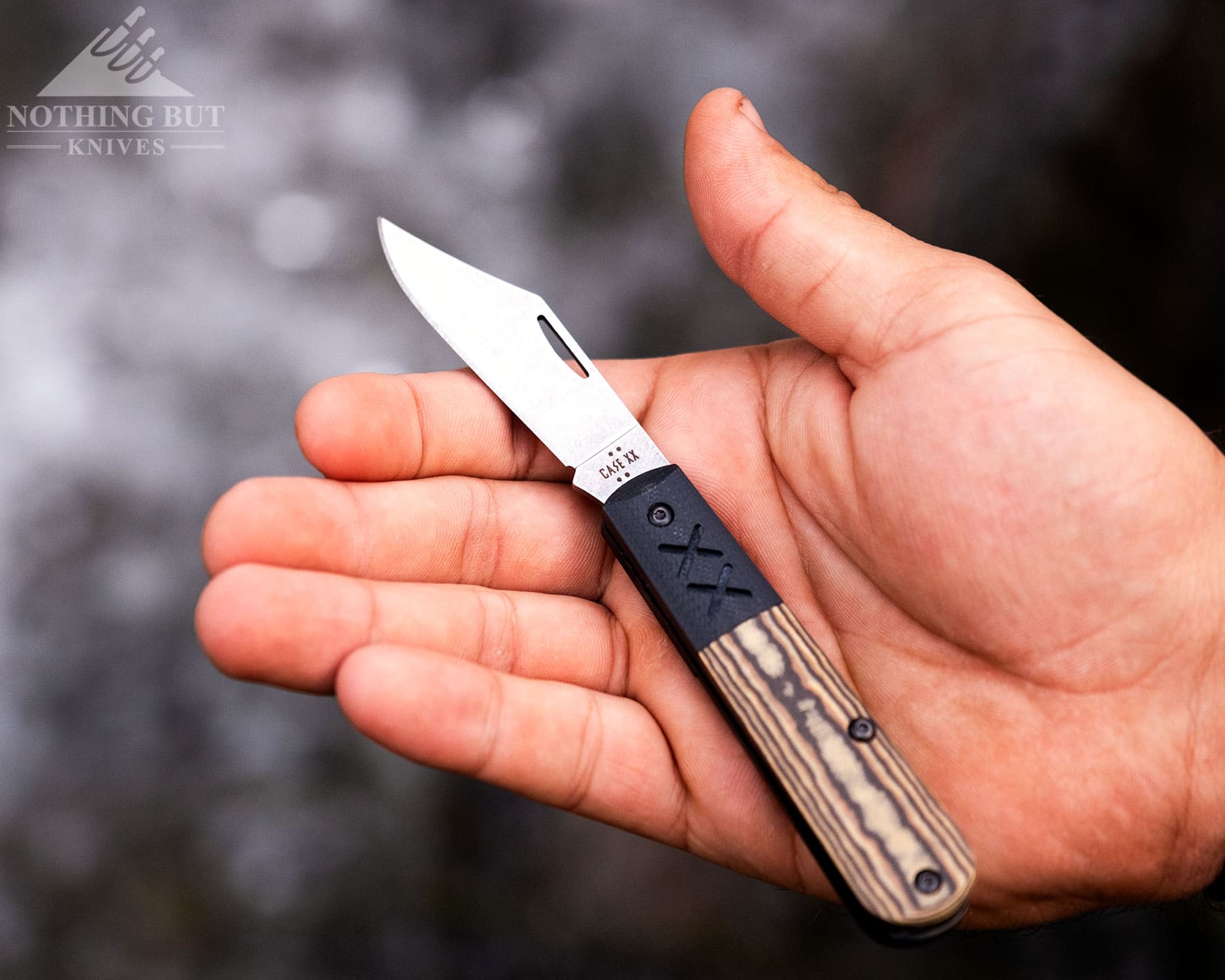
The modernization process apparently doesn’t involve adding a pocket clip this time around, so you’ll be stuck floating this in the pocket, but it’s small enough not to be intrusive.
What Is a Slip Joint Knife?
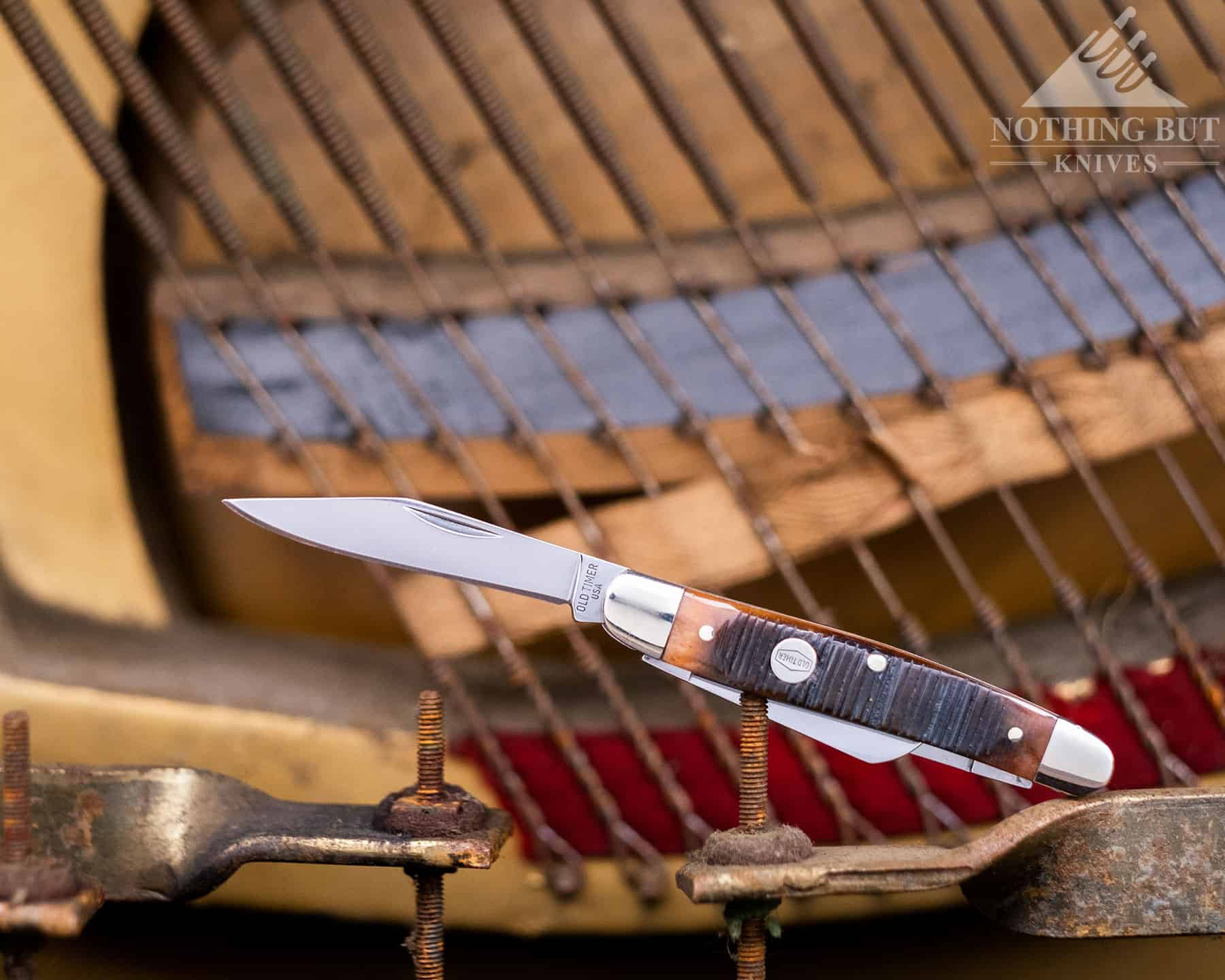
Any folding knife that is kept open by some kind of joint contact between the tang and the handle, and can be disengaged by just pushing on the blade is a slip joint.
It doesn’t have to have multiple blades, and it has nothing to do with the blade or handle shape.
It basically just has to be able to stay closed and open through the power of some kind of added mechanism (so something more than friction) and still be closed without having to disengage whatever that mechanism is. There was a time this definition might have been simpler, but lately the designers have been experimenting.
What about the Spring Mechanism
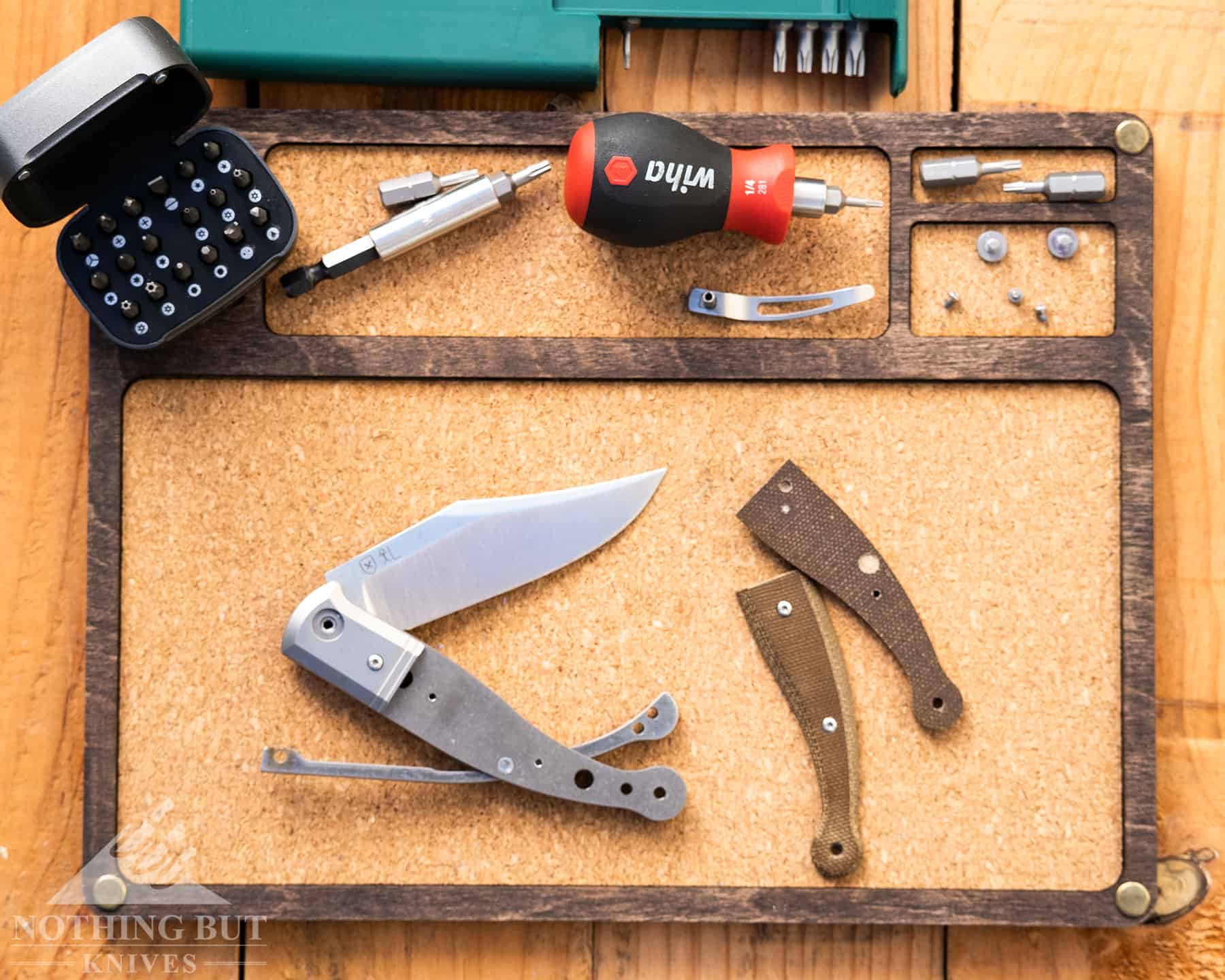
The slip joints most people probably grew up with use a back spring that runs the whole length of the handle.
This is a fairly simple piece of metal that’s generally milled out to have a wide base and a thin, straight top section that interacts with the tang and maintains constant pressure.
On these you can see that spring piece bending out the back of the handle at the top because it’s running along the lines of the tang as the blade opens and closes.
So What Are the Alternative Mechanisms?
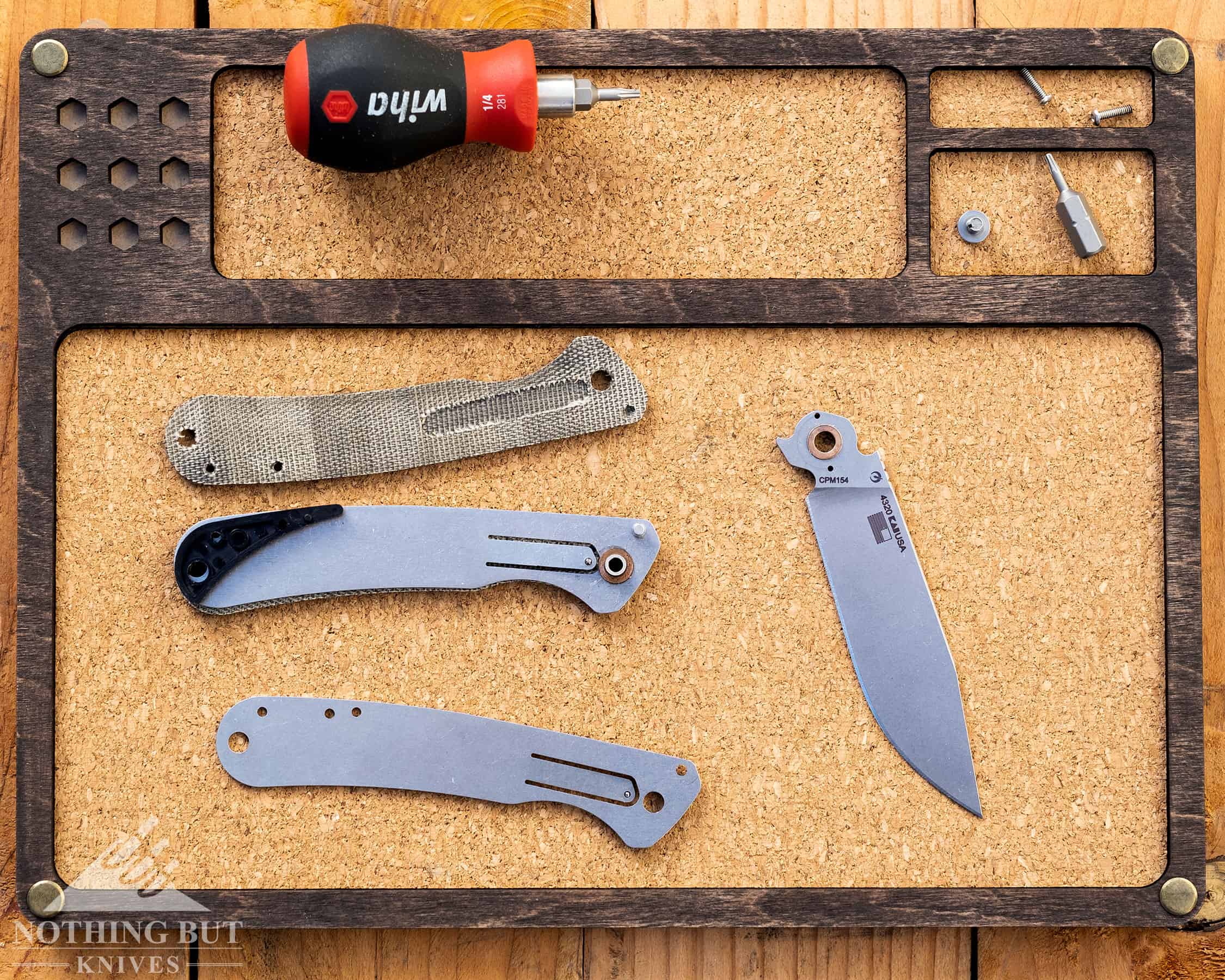
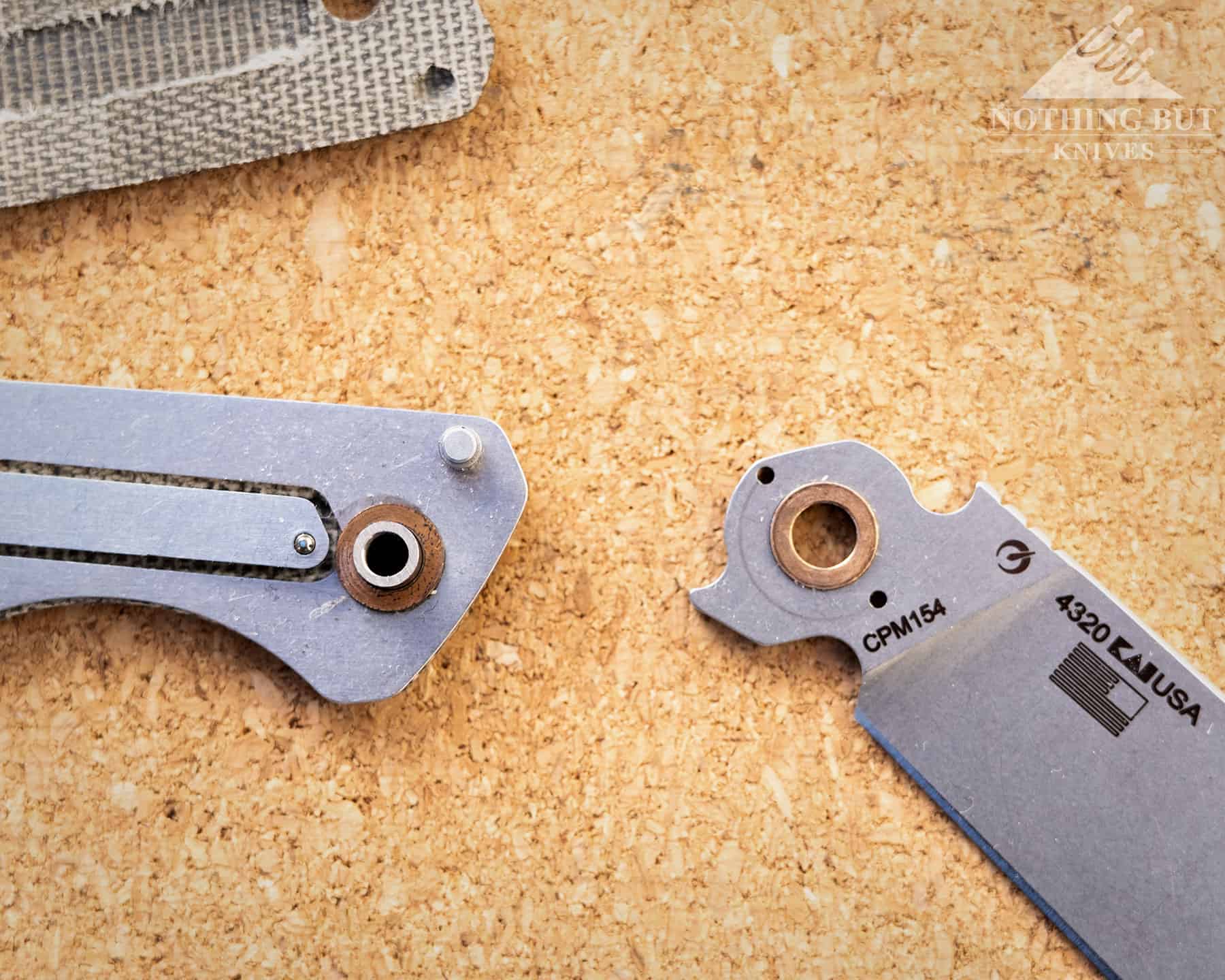
Companies like Kershaw and Civivi like to use a double detent system. That’s just a couple ball shaped things at the end of tension bars milled into liners of the handle.
These fall into matching indentations in the tang, usually placed for the open and closed positions, although it’s simple enough for them to create a half-stop indentation. Knives like this tend to have a weaker lock up but are a lot easier to disassemble and maintain.
I haven’t personally seen any other mechanisms beyond the back spring and the double detent, but knife designers always seem to be playing around with new lock ups, so I’m trying to keep this section as open to updates as possible.