TL;DR:
- It’s a tough EDC with a strong walk and talk.
- There are some hard corners to the handle, but it’s mostly comfortable.
- The edge grind is very toothy, and ours was a little uneven.
- Pretty good price for the make and materials.
A practical, modernized slip joint hits a weird spot in my EDC collection.
I don’t know how to adequately describe the irrational excitement I felt when Case launched the Crossroads line in 2025. I say irrational, because I rarely ever actually carry slip joint knives. But I like having them. I keep at least one on my desk. Sometimes I take one to events as a back up if I suspect there’s a chance someone will ask for a knife, but they don’t usually factor into my regular rotation.
I just think they’re neat.
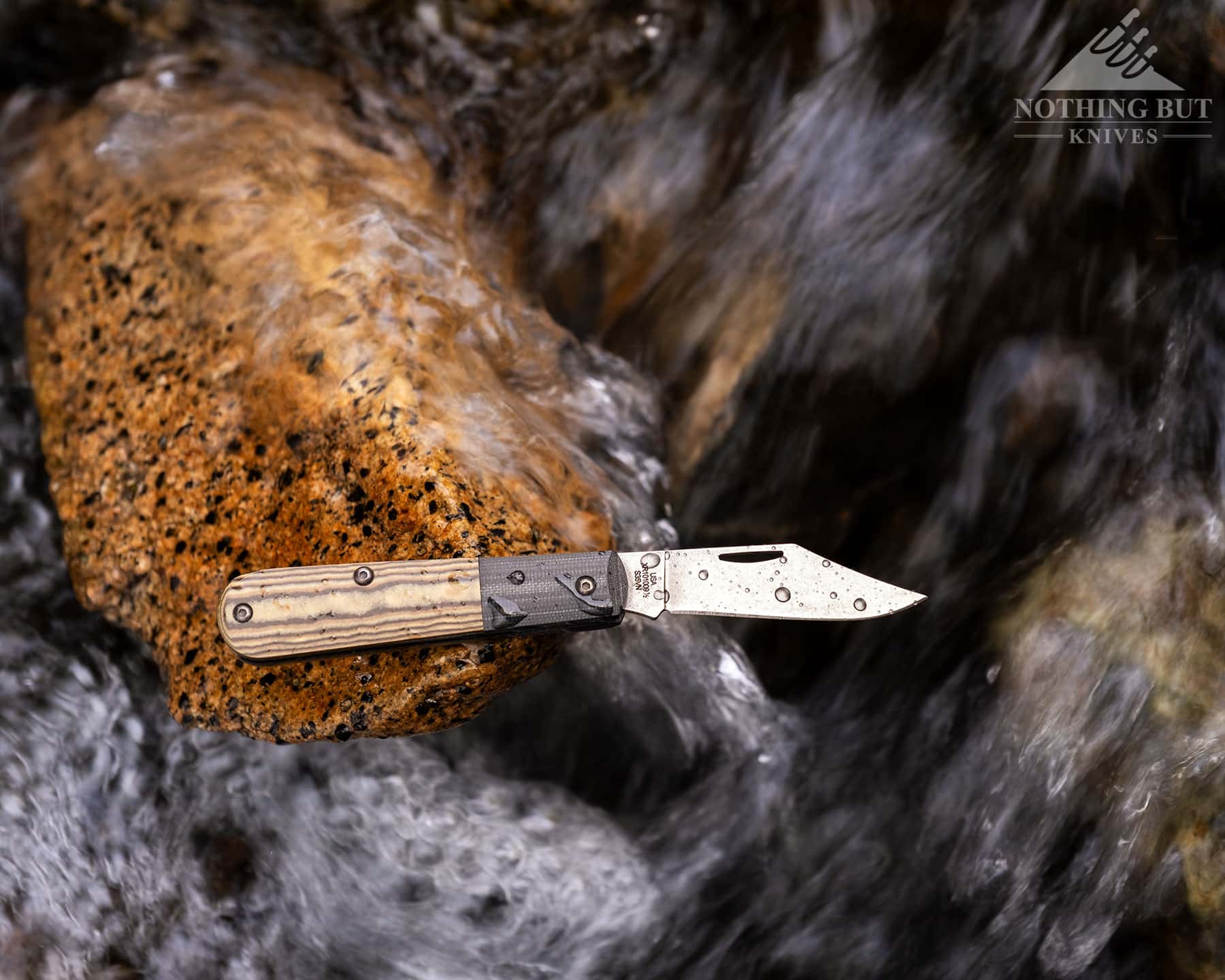
The Crossroads Barlow, as a slip joint, is also neat, but not in a way that it would replace the jig-boned Old Timer on my desk. It doesn’t have the full feeling of a decades-past design (more like centuries past, actually) that invokes memories of my grandpa ambling around the yard.
It’s a good EDC with great materials and a tough build. If I didn’t live in a place with pretty lax knife-carry laws this might have continued being my daily, because I like the way the handle feels, and the steel is up for a good day’s work.
There are some hiccups with it: the edge has a rough finish, the corners are harsh (admittedly in an appropriately old fashioned way), and the walk and talk is stiff, but it has worked beautifully as a daily cutter both around the house and in the yard.
Just a quick disclaimer that Case sent us this knife for free, and have been nice to us in a way that appeals to my vanity, so this might not be the most unbiased review.
Specifications
| Overall Length: | 5.8 |
| Blade Length: | 2.5” |
| Blade Steel: | S30VN |
| Open System: | Hollow nail nick |
| Blade Thickness: | 2 mm |
| Blade Shape: | Clip point |
| Blade Grind: | Full flat |
| Handle Length: | 3.3” |
| Handle Material: | Richlite w/ G10 bolsters |
| Lock Type: | Spring slip |
| Weight: | 1.27 oz (37 g) |
| Made in: | Bradford, Pennsylvania |
| What I Liked | What I Didn’t Like |
|---|---|
| Strong-cutting ergos for a small knife | The factory edge is rough |
| The blade cleans up well and holds up to hard use | Walk and talk is pretty stiff |
| Good grip in a small space | The handle has some harsh corners |
| Decently priced for USA made | The edge grind is a little uneven |
Design and Materials Updates of the XR Series
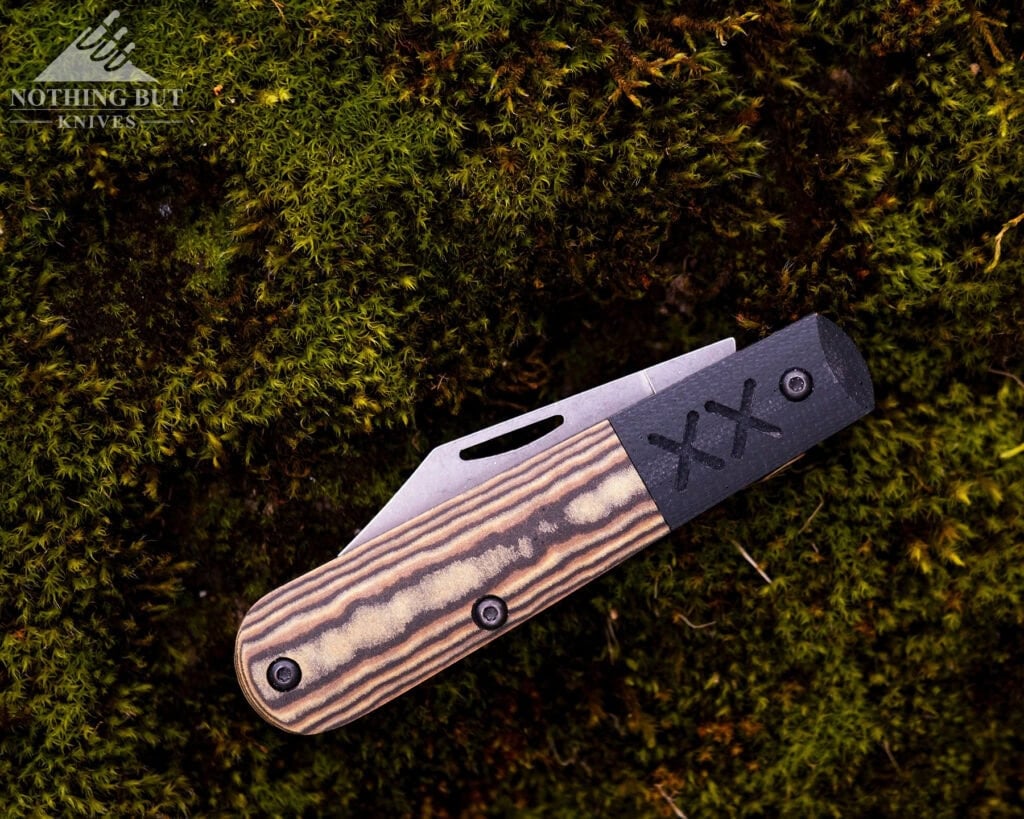
The Crossroads series is still pretty new (as I’m writing this). Currently there are two designs in the line up: the XR Barlow, which launched the line, and the XR Sod Buster.
Basically the series just involves them taking older popular models and updating the materials.
So their old tried and true Tru-Sharp (which I actually still like) becomes S30VN and the handle material opens up to options like Richlite, Micarta, and G10. It’s maybe one of the best decisions Case has made in their probing exploration into modern knife offerings the last couple of years.
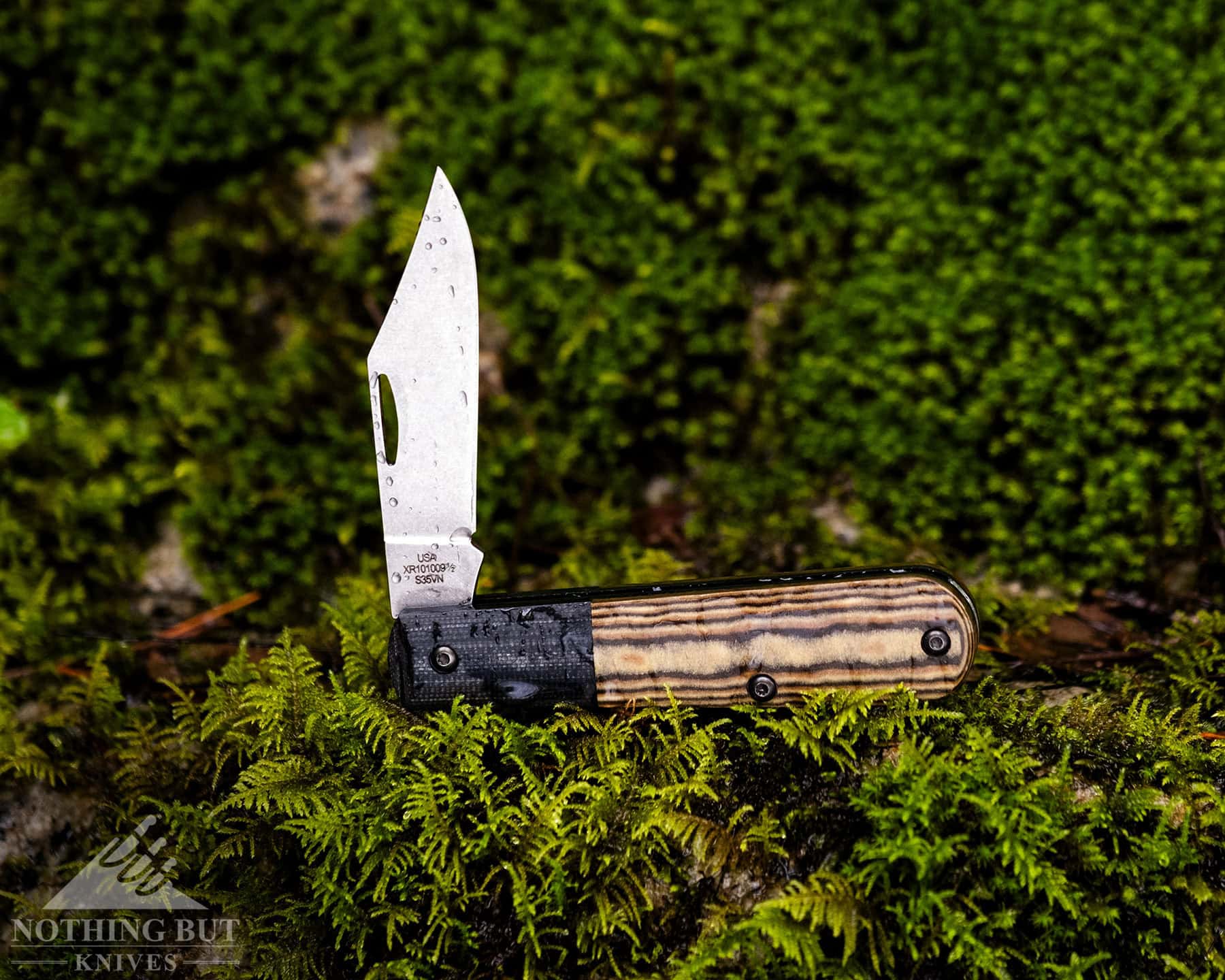
Before the XR version, Case’s Barlow slip joint was pretty much only available in various textures and colors of bone scales with steel bolsters and Tru-Sharp blades. In terms of looks, the options weren’t bad. There’s a navy blue version that I’ve eyed several times. In fact, I’ll go so far as to say that the older versions generally look better to me than the XR models that are out so far.
The XR updates feel satisfyingly functional, though. Obviously opinions will vary, but by the end of testing the XR Barlow, my main thought was that I’d rather look at the older versions, but I definitely like using this one.
Ergos: Hard Corners for Hard Cutting
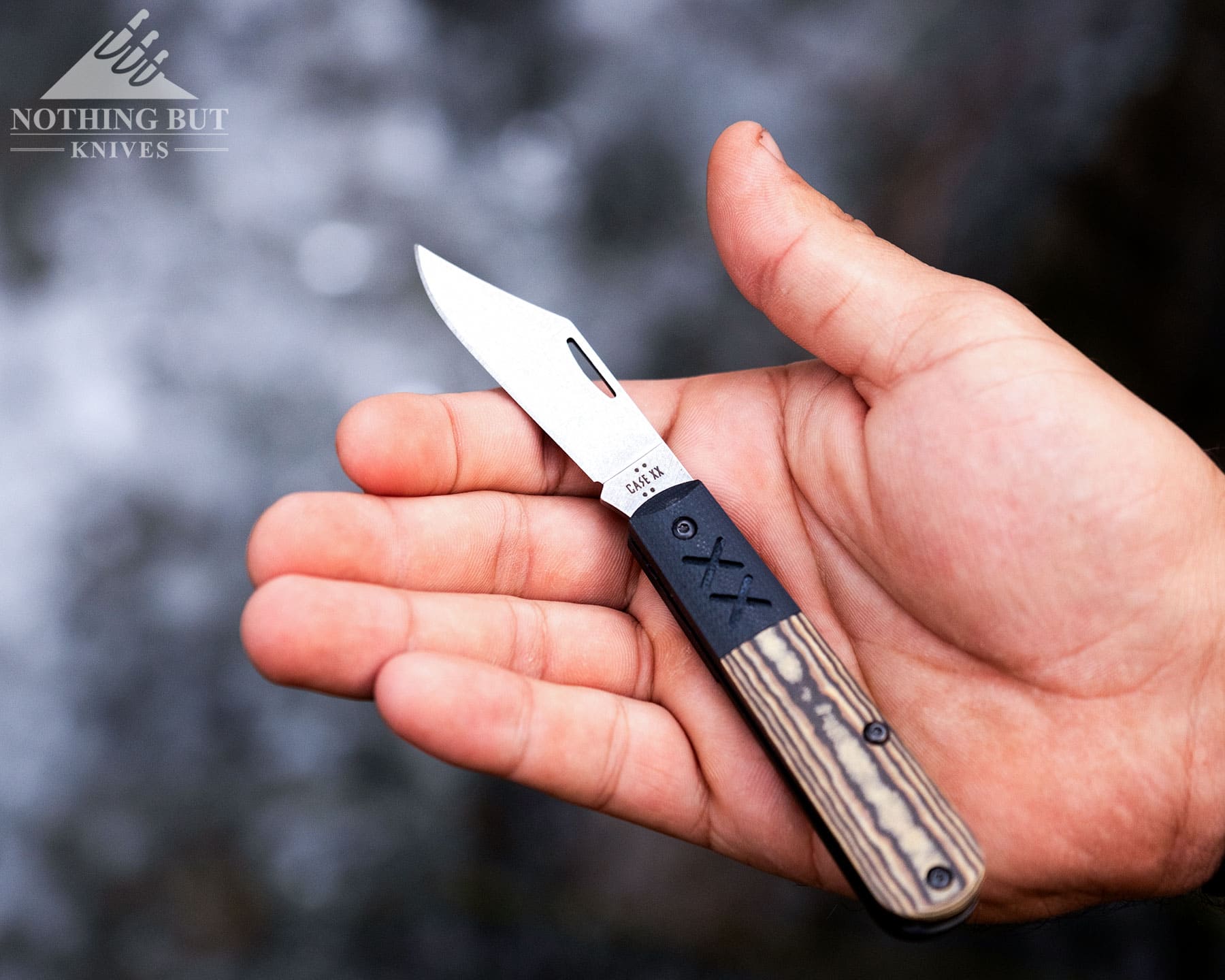
The lines of the Crossroads Barlow match up pretty exactly with the older version. If you’ve used some of Case’s other slip-joint classics, you have a decent idea how this knife feels. So the Richlite scales and G10 bolsters are in the spotlight here. Here’s my short take:
I like the weight.
- The XX imprint in the G10 bolsters is actually a nice texture for the thumb to rest on,
- The Richlite is smoother than I’d like, but it feels nice;
- I’ll reiterate that I don’t like the look as much as classic models. The way they’ve colored these scales just doesn’t do it for me the way jigged bone and wood do.
On a more functional level, the handle is good so long as you don’t need to grip too hard.
It’s big enough for a full four-finger hammer grip, but I rarely ever hold it like that. The corners are a little hard. They have a pretty harsh bite when I tighten up too much on the grip, but this being a slip joint maybe that’s a feature, because I would rather not do anything with this that requires that much force, and I appreciate the warning.
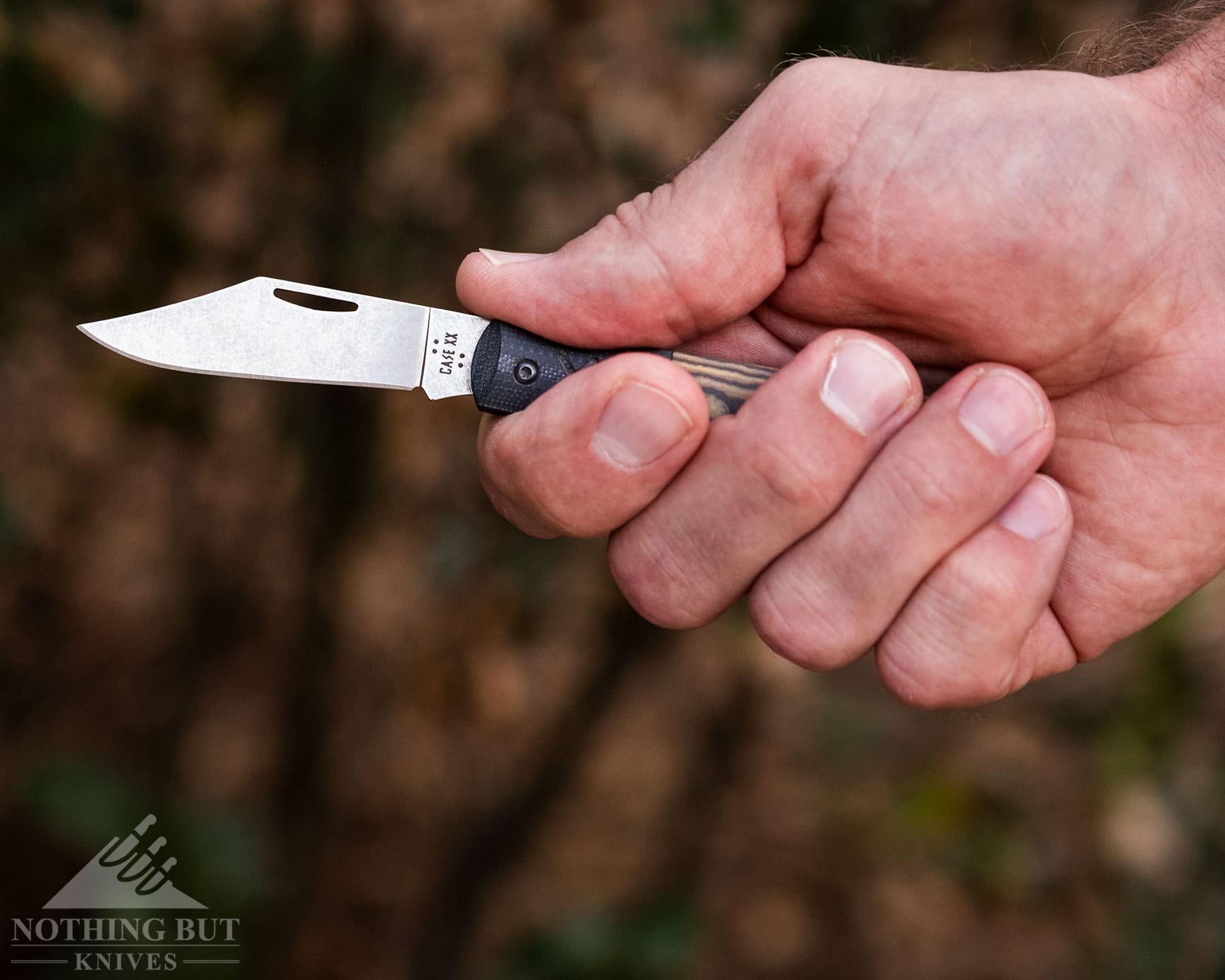
It’s good in a pinch grip, though. They’ve angled in the top of the G10 bolsters so it makes just about a perfect angle for my thumb and index finger to nest into. This is a feature on the older versions of the Case Barlow, but the texture of the G10 is a lot more helpful for grip than steel bolsters.
It helps keep my grip strong while I lock down for better leverage on harder cuts, which, for this thing, was usually just thick cardboard. The only ergonomic issue at that point was that my thumb sometimes caught on the XX design in the bolster. It’s not a hotspot exactly, but it does feel weird in an unhelpful way.
This actually feels pretty serviceable as a hard use knife, though. I probably would have taken it into the yard a lot more often if it were easier to open with gloves on. I took it out as a secondary blade, though, and it still saw a little bit of use.
The walk and talk is pretty tight.
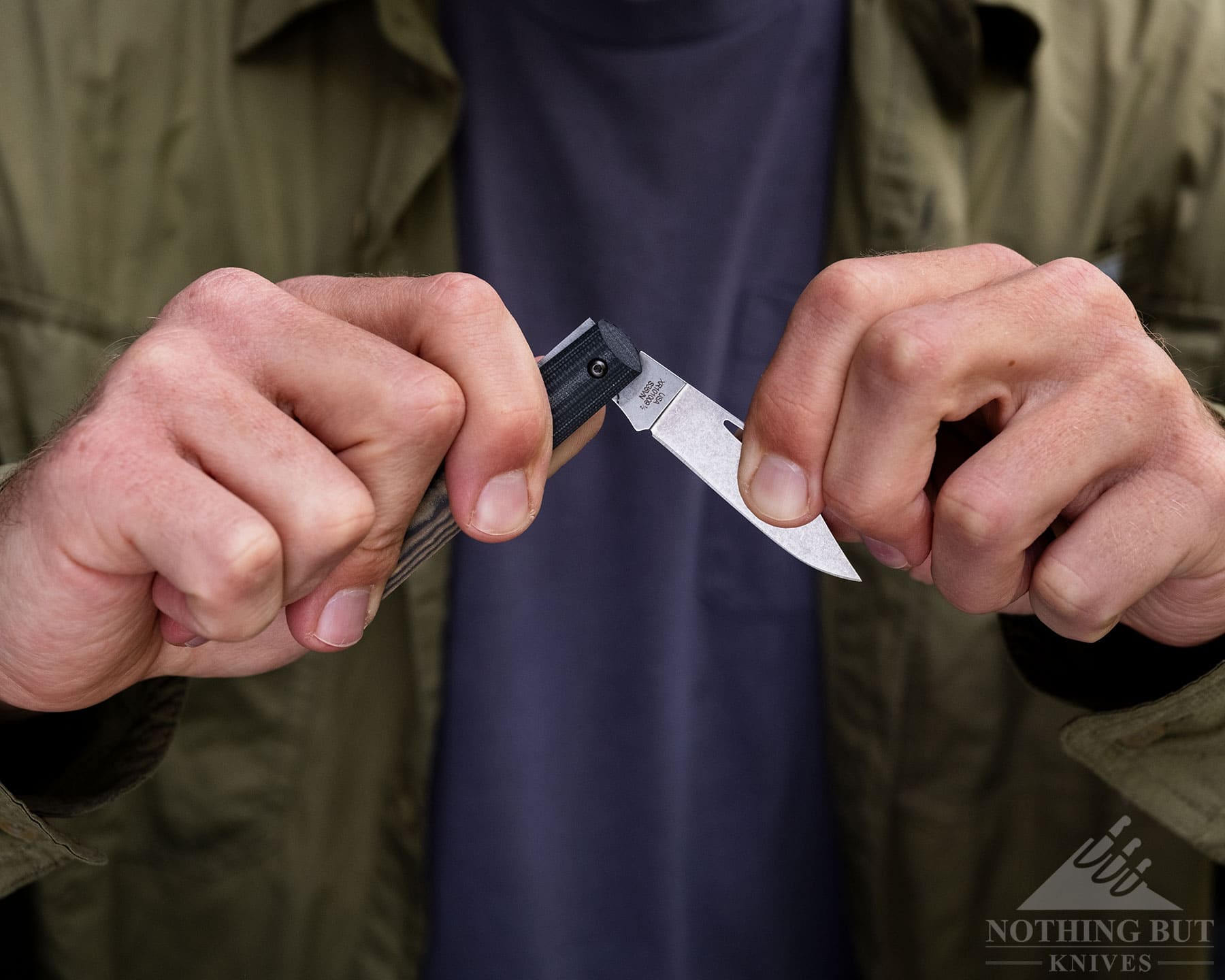
When this fully deploys it shakes the ground. I’m glad they punched a full hole through the blade instead of just grinding in a little nail nick impression, because it feels like I need as much grip as possible to pull the blade out.
I’d personally rate the pull at about a 7, but my scale always seems to run above serious collectors. Someone with a wider experience might not rate over a 6. Either way, I would not recommend actually using your thumbnail to open this blade. Just pinch up on that hole.
My hands adapted to the pressure needed to open and close the knife after a few days, but it still feels like I’m fighting with the spring sometimes, and the few times I lended it to someone else there was always that initial struggle to open and close it.
The Old Fashioned Carry Experience
I always have to readjust when I test knives without pocket clips as everyday carries. I never really get over the awkward feeling of digging into my pocket for a knife, so I appreciate that the size of this knife is small enough to fit into the fifth pocket where it’s easier to find, but is still large enough to have a handle with a little meat on the bones.
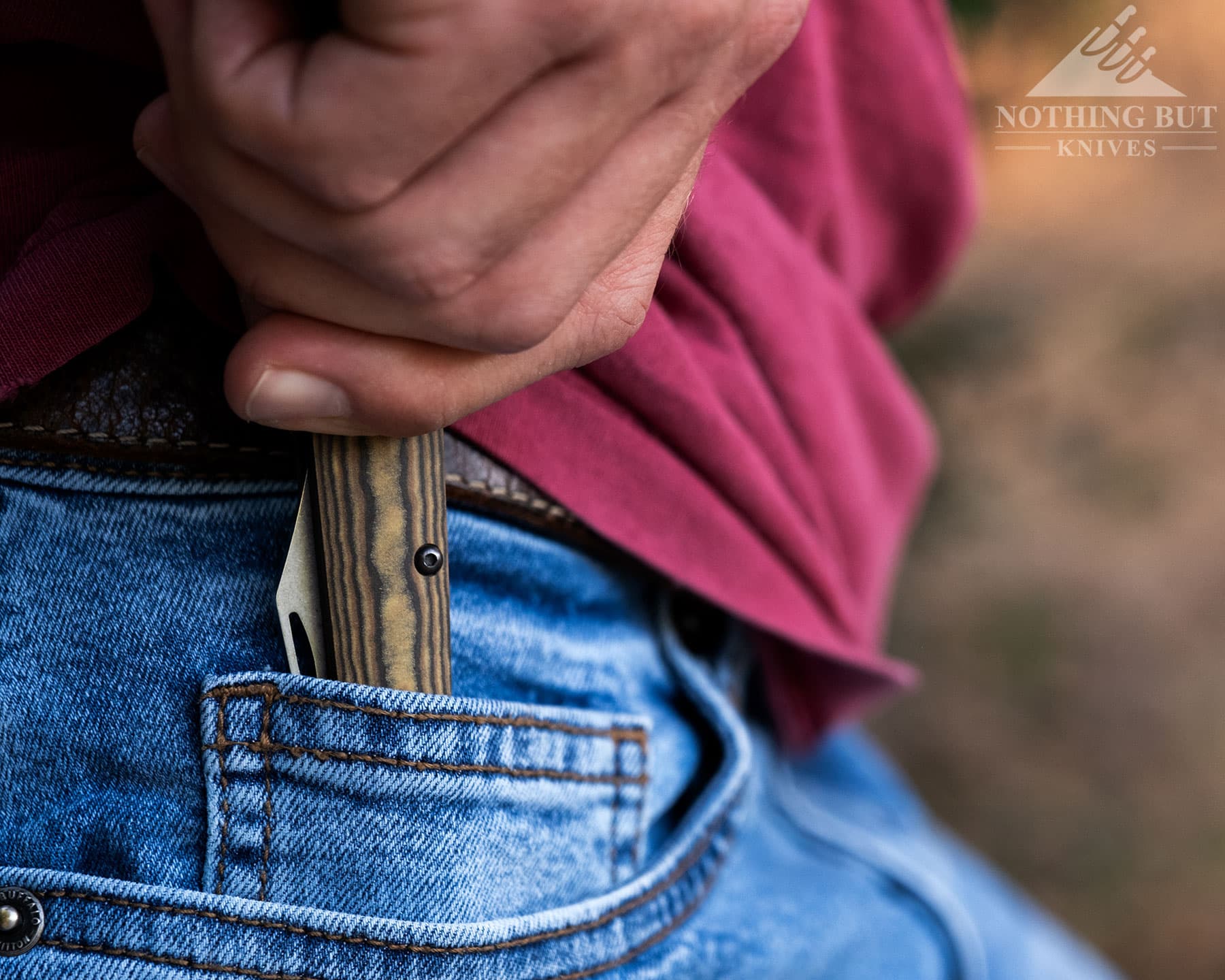
It’s the kind of experience that will vary a lot by the size and style of your pants, though, and it’s a bulky replacement for something like a Swiss Army Classic as a fifth-pocket carry if that’s the kind of thing you’re used to carrying.
Blade Talk: Low Speed, Low Grit
The edge came out of the box pretty rough. It has a toothy finish anyway (here’s a good Neeves Knives video on what that can mean), but the factory edge on the model Case sent was a little wonky. It almost looks like it has a slight recurve on one side because of how deep the secondary grind goes back. It was holding on to tiny bits of paper when I did some initial edge testing and just felt rough to cut with all around.
I passed it over a ceramic rod and a strop really quick just to make sure the edge was properly aligned, and it definitely improved, but paper tests continued to feel a little weird.
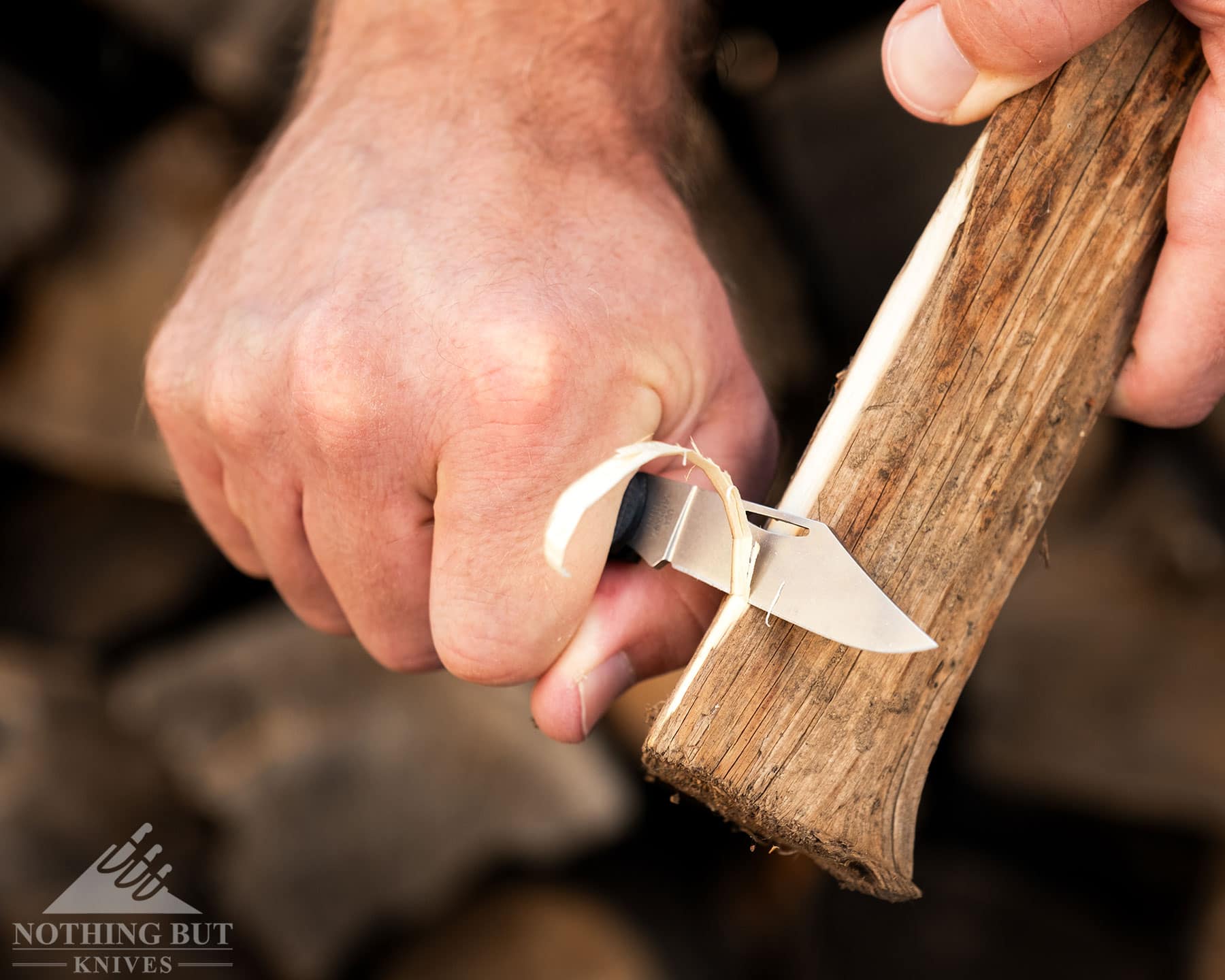
It was great during actual use, though. I’m philosophically opposed to slip joints with an acute point, but I do like the way the clip point shape tilts forward. It’s not enough to create knuckle clearance, but it does add a little leverage to my cuts, and on a knife this small, that comes in handy a lot. It’s great for popping off loose threads, starting a cut into cloth, and even carving into wood (which I only did a little of with this knife), but for finer gauge material it just feels rough.
I had to keep cleaning up the edge every day or two to get it cutting cleanly through paper again. Admittedly I was using it on some messy things like old cardboard with a lot of tape and bags of dirt, and it’s possible that the rough edge finish just holds on to grime more aggressively. So I’m not actually sure how much of the performance drop has been from grime or the edge deforming, but it was a little more maintenance than I’m used to doing with an S30VN blade (a steel that, in my experience, performs better with more polish).
Comparison and Alternatives
You can check out our guide to some of our favorite slip joint knives for a broader range of alternatives. Otherwise, I’m keeping the comparisons to the odd category of “modern traditional” this Barlow falls into.
If we take it only as a comparison to Case’s older version with jigged bone and steel bolsters, I think the Crossroads is the better investment if you’re planning to actually use the knife. The upgrade in steel and the (to me) improvement in handle texture come at a pretty reasonable price. As of this writing, there’s only about a $20 difference between the two. I’m more than happy to pay that difference for Richlite scales and better edge retention.
Going outside Case, though, there are some interesting options:
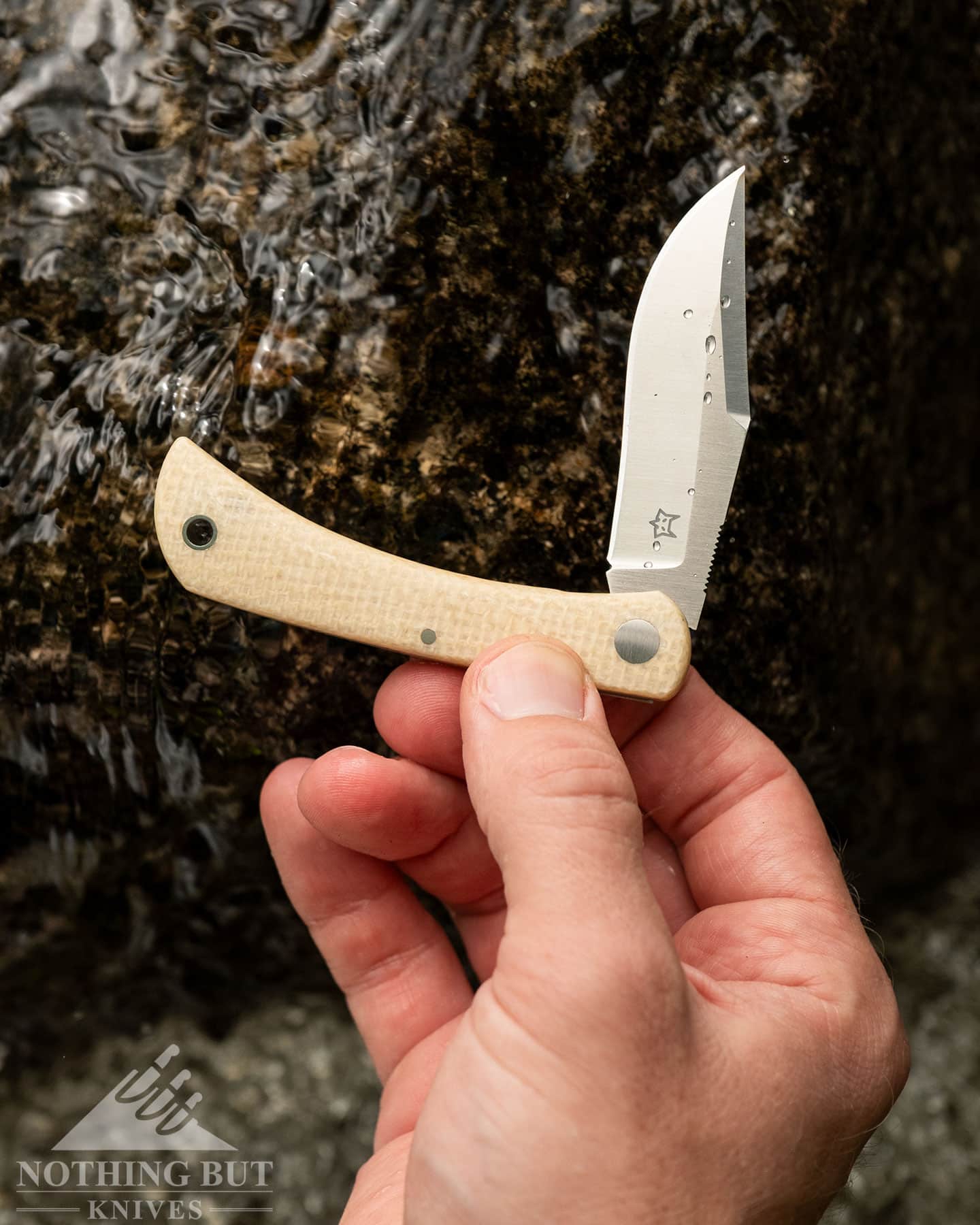
The Fox Libar has a nice look that feels sort of in between modern and old fashioned in a way that works really well. It also has a magic edge that cuts light and thin materials like butter. The folks over in Maniago know their edge geometry.
The Buck Saunter has the same updated old fashion vibe from a heritage company for about the same price. The action is much gentler, as well as the handle. I’ve only ever used the drop point version, but there’s a clip point that brings it closer to the Xroads Barlow style.
The RoseCraft Beaver Creek Barlow is a cheaper imported knife, but it carries some of that same old-school style and has a blade shape that I feel is more appropriate for a slip joint.
The LionSteel Gitano is a tricky recommendation for me, but it’s technically good. I had trouble with the strength of the slip spring, but I’ve heard from newer customers that it’s gotten better, so if you want a full sized slip joint knife with a clip point and pocket clip, by God LionSteel has you covered with some to spare.
It’s a Good Knife that’s a Little Rough Around the Edge
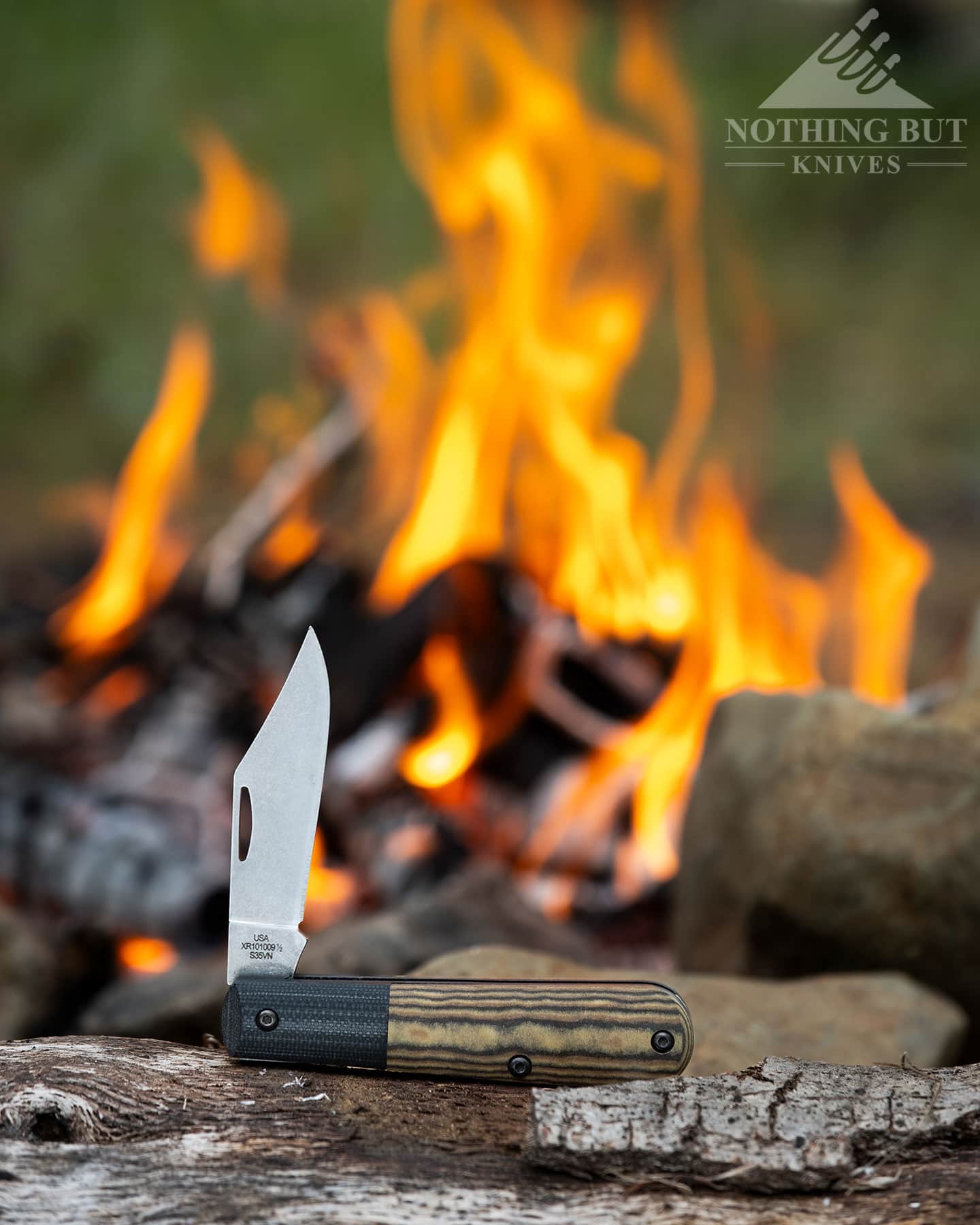
I think I was expecting the modern update to feel more refined, but maybe that’s not the kind of expectation any of us should have. The Crossroads Barlow has nicer materials, and it’s well built, but it still feels rustic. The walk and talk fights me a little, the edge has a low-grit finish, and the corners of the handle have a harsh bite.
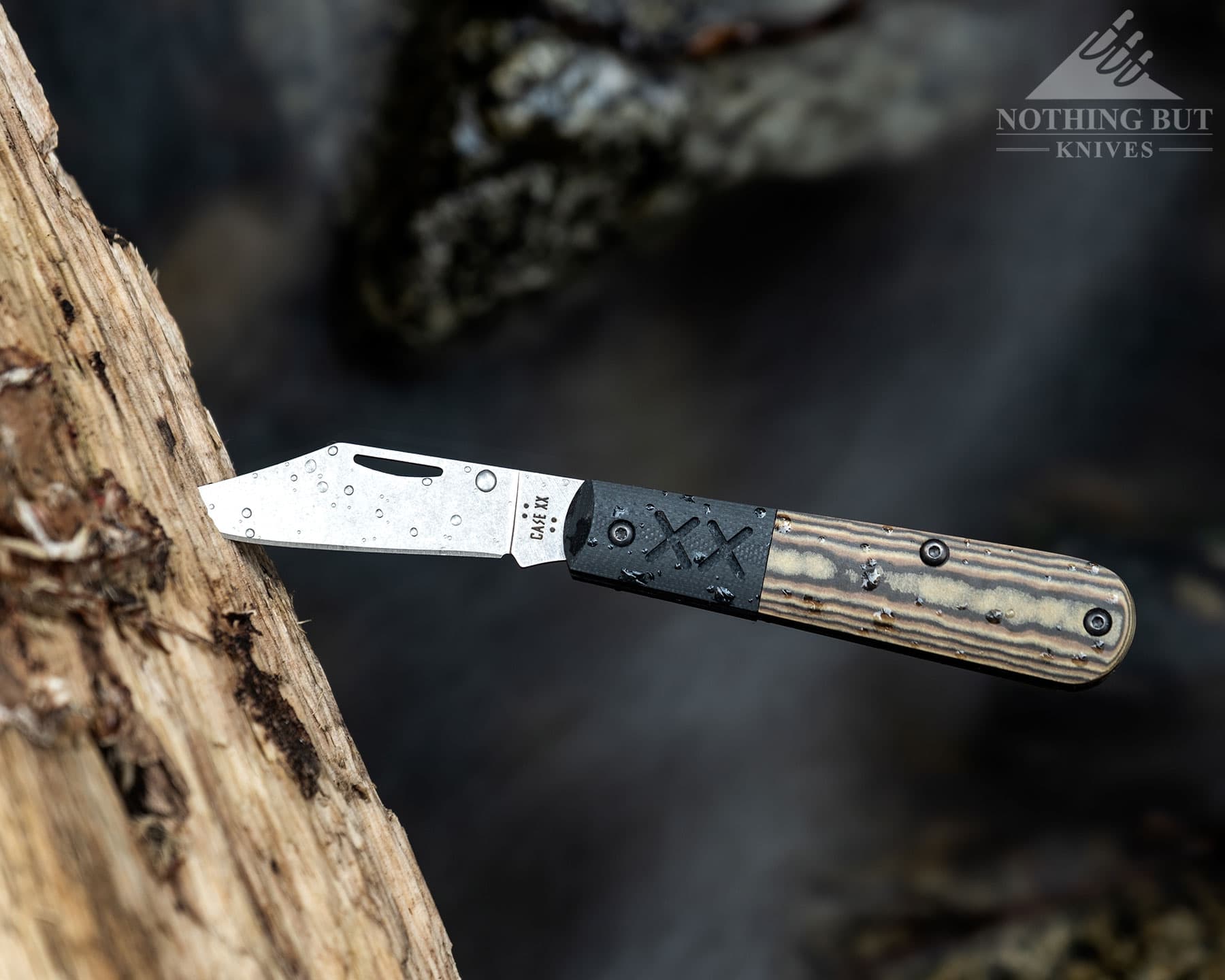
Objectively, I think all those things would make a normal, modern knife worse, but I kind of appreciate the extent to which the Crossroads Barlow still feels like an older knife. Sure, the materials are modernized, but this still feels like a Case knife. It looks and feels neat, it’s highly functional, it has slight QC issues, and generally feels scrappy.
If you’re a collector, you’re probably going to get this anyway. But knives like the Case Barlow were originally built to use, and this Crossroads version feels like it picks up that tradition just fine. I consider it a good recommendation for someone looking for a small, legal-friendly EDC that can actually get some work done. But if you’re any kind of collector, this marks an era in which one of the oldest knife companies in the USA seems to be successfully fighting their way back to relevance in the modern world.