The First High End Folder from a Brand New Knife Company Leaves a Smooth Impression.
This isn’t the kind of knife I would normally pick up: It’s angular and shaped in an almost Zero-Tolerance-throwback kinda way that just didn’t click with me when I first saw it. Especially because I generally don’t like all-metal handles.
So, it’s especially relevant to mention we received this knife for free to review. I don’t think I would be writing about it otherwise.

I’m glad I am, though, because the Fornax is a cool knife. It still has some of the issues I always expect from flashy titanium folders, but I’ve come to enjoy the look of it. I appreciate the smooth and solid structure of the build, and more than anything I love the way it cuts.
I was happy to look past the sleek futurism of the knife long enough to flex with the Fornax a bit, especially since I was carrying it over Christmas, and it turned out to be exceptionally good at cutting paper of just about any gauge.
Specifications
| Overall Length: | 8.15” |
| Blade Length: | 3.65” |
| Blade Steel: | S45VN (62 HRc) |
| Open System: | Thumb stud |
| Blade Shape: | Modified drop point |
| Blade Grind: | Sabre |
| Handle Length: | 4.5” |
| Handle Material: | Titanium |
| Lock Type: | Frame lock |
| Weight: | 3.2 oz |
| Designer: | Paul Munko |
| Made in: | China (Kizer factory) |
| What I Liked | What I Didn’t Like |
|---|---|
| Blade is a downright pleasure to use | The handle is sleek and a little poky |
| Butter-smooth action | Pocket clip is right side only |
| Thoughtfully milled handle | |
| Rides easy in the pocket |
Orbital Knives and Design Intent
This company was started by two friends, Luke Albertson and Eddy Martinez. Eddy was already a designer with the Kansept Dako under his belt, so he had a mind in the knife industry anyway. The story told to me, in so many words, was that he and Luke were coworkers locked in a closet together when Eddy pitched him the idea of starting a knife company. Apparently it wasn’t hard for Luke to jump on board with him.
When I say this is a brand new company, I mean that when I met Luke and Eddy at Blade Show West the company was only about a year old, and it was their first trade show. They launched in 2024 with the flagship budget knife, the Callisto, which seemed like a good representation of their philosophy to focus on well-made, wallet-friendly knives.
But they also had this Fornax on the table, which felt like a fast pivot.
The Spaceship Knife
A lot of my initial feelings about the Fornax changed when I saw Paul Munko’s name attached. He designed the Kizer Comet, which was criminally underrated (and now, as a result, discontinued). He has a knack for starting with art and ending with clean-cutting function in a way that feels well suited to what Orbital is trying to do.
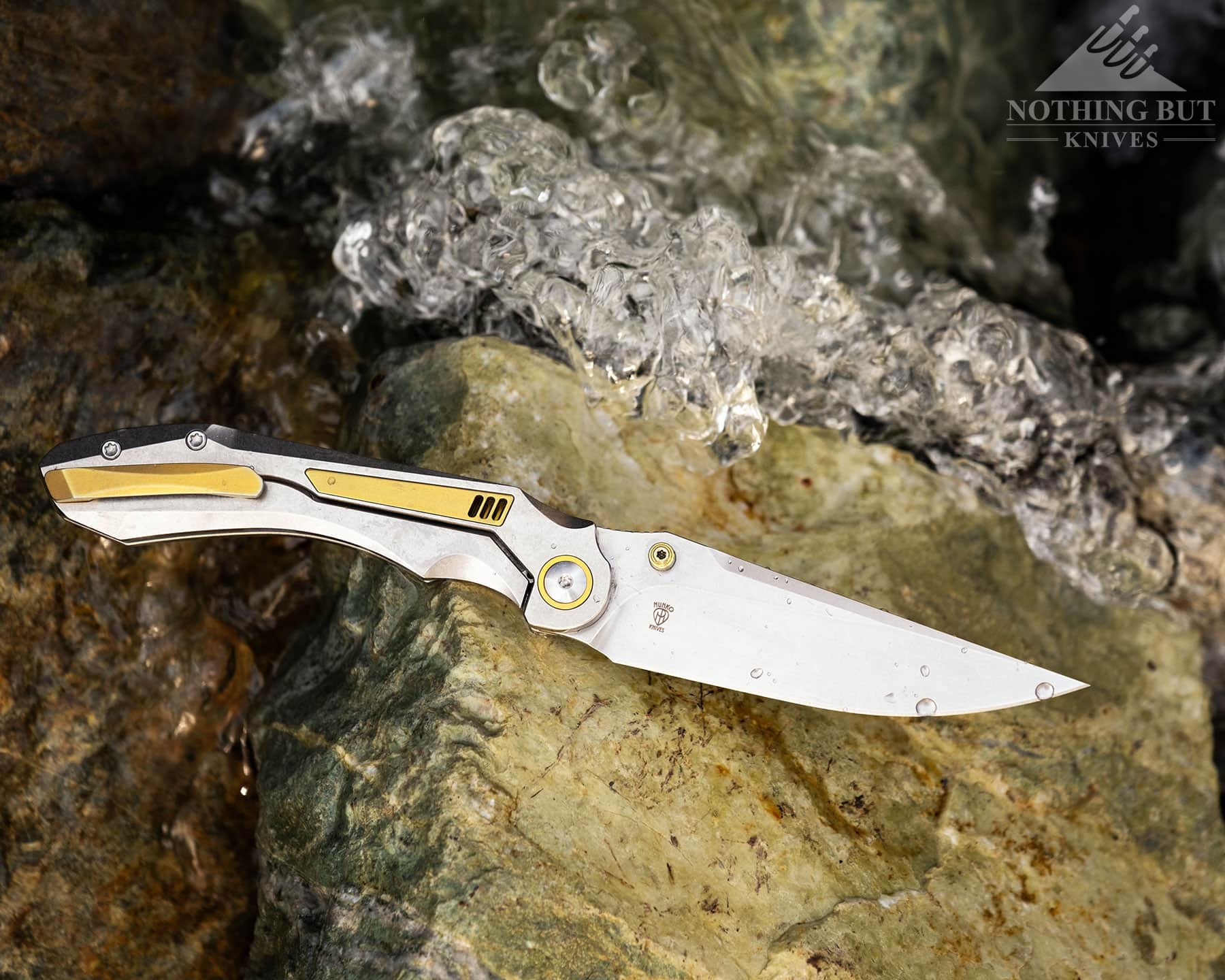
But where the Comet started with art deco inspiration, the Fornax started with stars. It’s inspired by and named after the Fornax constellation. That’s Latin for furnace, but at this point those stars look more like the knife (insofar as they look like anything). I can hold the knife up to a picture of the constellation and see where the sharp drop off in the pommel kind of matches up with the angle made by the three stars.
Thematically this is satisfying: the knife is named after a constellation, it’s under a brand called Orbital, it feels vaguely futuristic. This all makes sense. To feel how all that thematic cohesion comes together to make a knife that glides open, locks up solid, and cuts without a hitch is doubly satisfying.
I’m on the damn USS Enterprise with this knife: Everything is running smoothly, and I feel out of place in my torn up jeans and deeply-smoked plaid overshirts.
The Blade is a Glider

- Super smooth, delicate slicer that’s great with thin materials
- Clever geometry and steel voice make it good for hard use, even if the style doesn’t
- Predictably excellent edge retention
The blade has effortless geometry. This was my Christmas-carry knife for most of December so it saw a lot of work cutting all kinds of different paper. My main takeaway from testing is that the Fornax is the kind of knife you want for delicate work
It’s a dreamy slicer that bites without much effort and then glides through soft materials. It seems to have just the right width behind the edge to part materials without tearing or letting it bind around the blade.
It’s also a hard working blade. Delicate as it feels, there’s still a bit of thickness to the blade that makes it a little more rugged. Even though I’d recommend this as a gentleman’s carry, it can hold its own out in the grit.
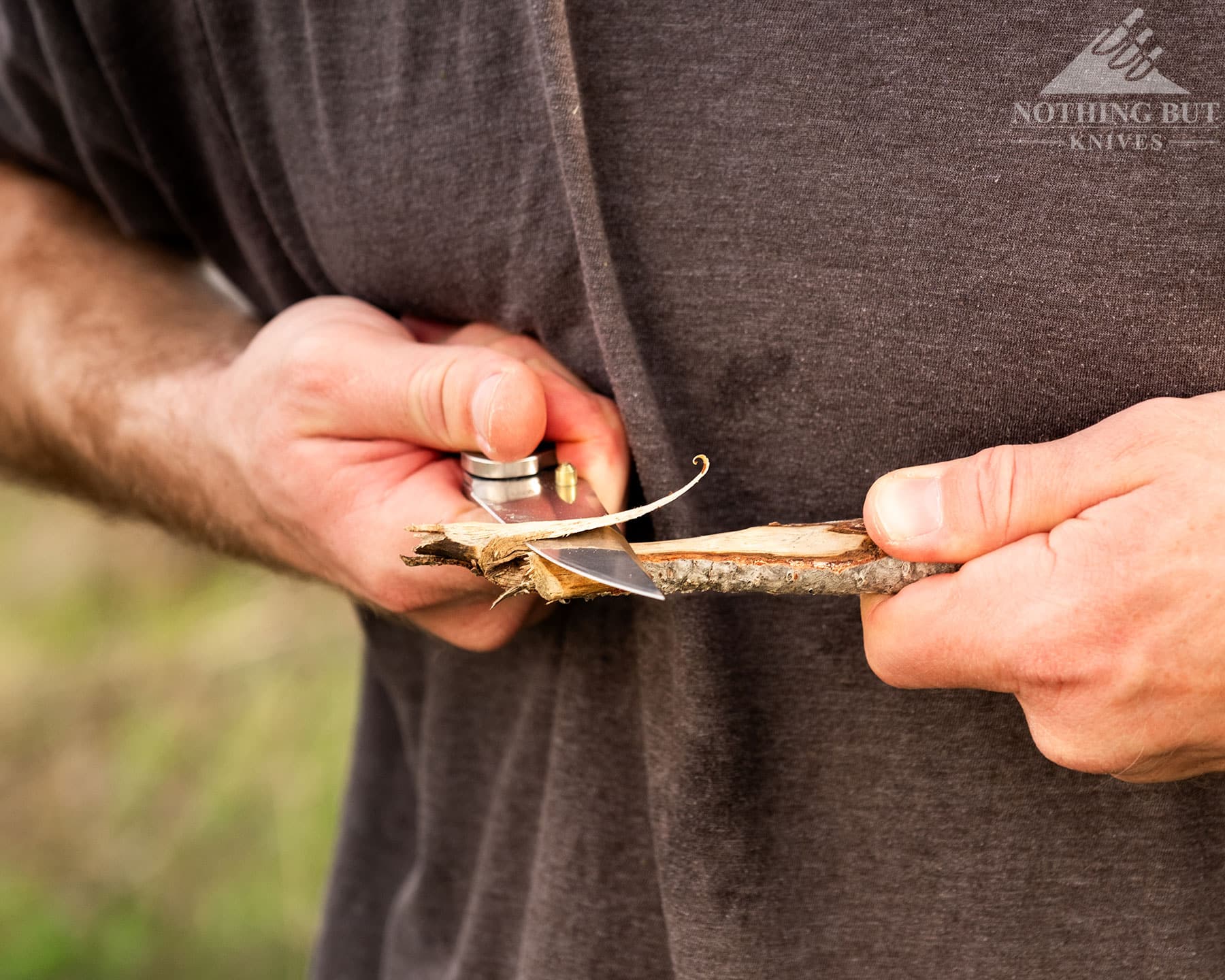
The edge retention is great in an unsurprising way. The bar is set pretty high when the specs say the blade is S45VN at 62 HRc. Something would have to be seriously wrong with the heat treatment to keep this blade from holding an edge.
What holds me back from taking it camping or out into the yard is that I don’t really like how it feels when I have to tighten my grip. Which gets us into handle territory.
The Handle Nuance
- It’s pokey around the index finger.
- Otherwise the shape is well thought out to match the hand
- Good work chamfering in the right places.
- It’s still a sleek, titanium handle that feels too smooth for me, though.
The ergos on this knife have been pretty well thought out. I’m always wary about using titanium-handled knives, and the Fornax in particular has a certain angular look that suggests comfort wasn’t a high design priority.
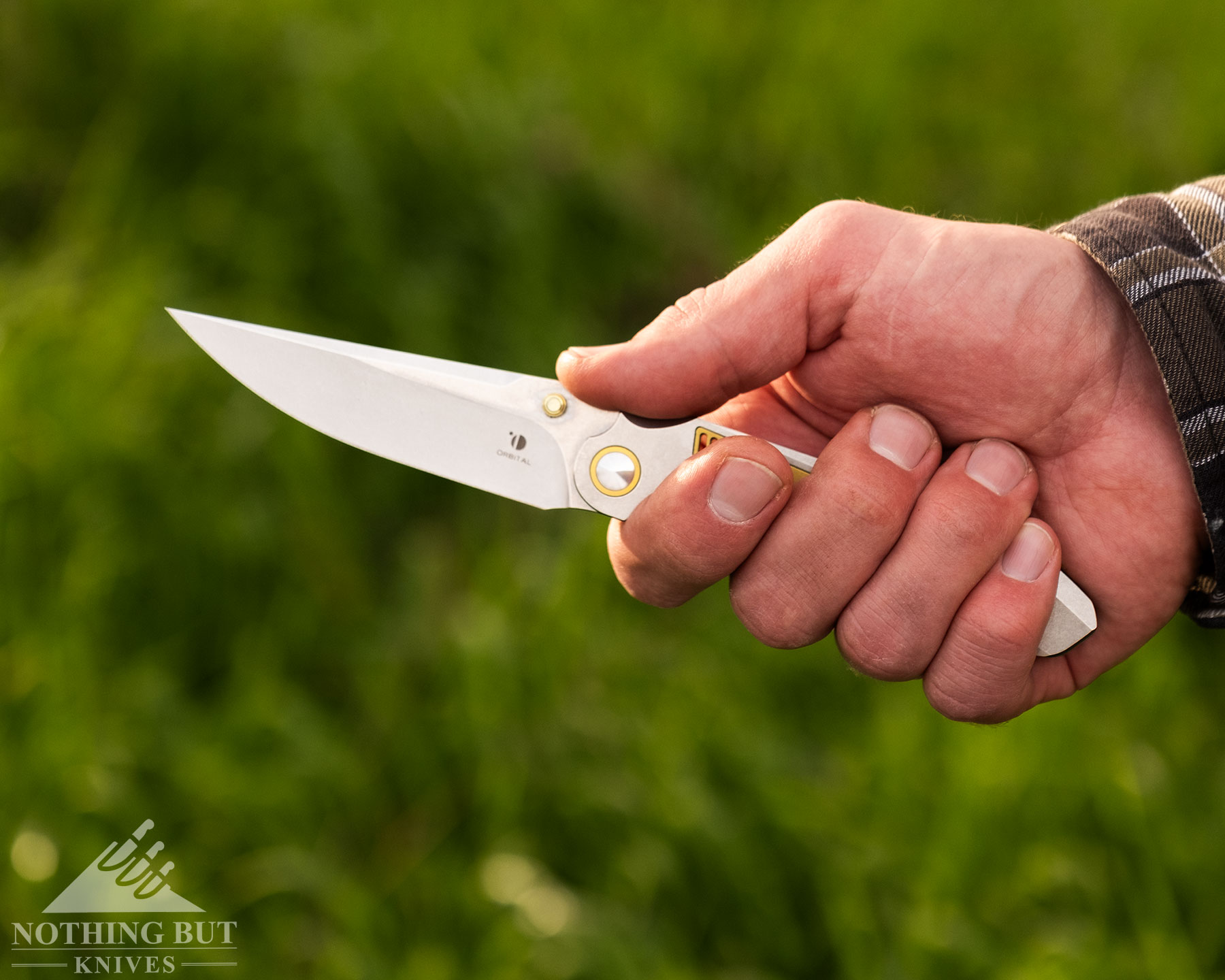
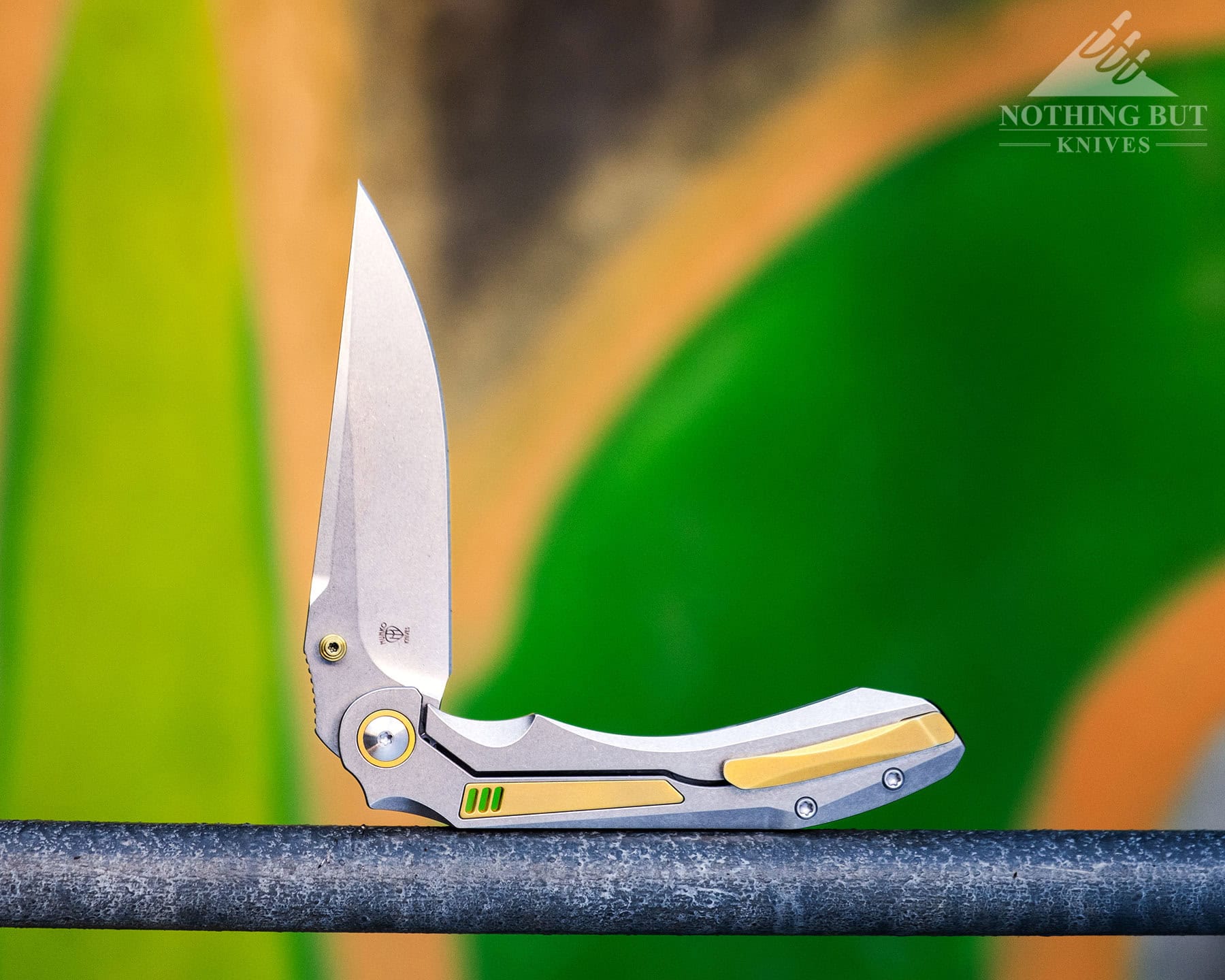
It actually feels okay, though. They’ve done some careful shaping along the corners on all sides of the handle to prevent serious hotspots. Even the pocket clip has some clever angling along the palm side to make it feel more agreeable.
Very critically, it’s comfortable along the back. The little divot where the handle swoops down into the spine of the blade to make a well for the thumb works great for giving the hand a firm spot to push into cuts.
The caveat is that this is comfortable for a titanium handle. It’s still a little poky, especially around the index finger. I also feel a prod at my pinky every now and then when I’m pushing into a long cut.
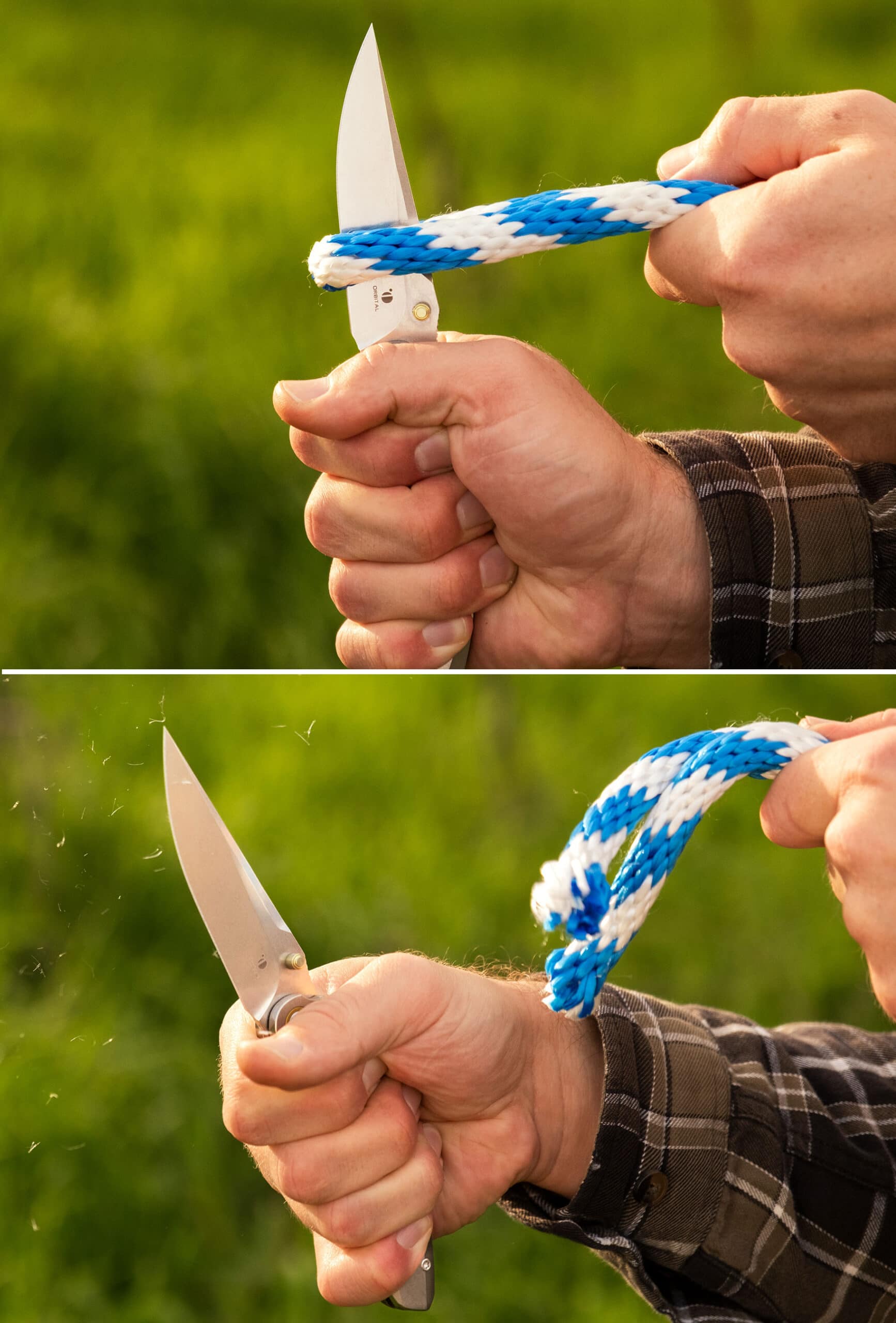
So it’s a good thing the edge is so sharp. I barely ever have to grip hard on the handle, but maybe that’s part of the charm of this knife. It’s a little showy, but it works beautifully.
It feels like they wanted to make a thick handle as minimal as possible. It’s odd to hold. Each handle piece is thick, but milled back into a slim shape. All the grooves and angles fit into my hand really well.
So this isn’t an uncomfortable handle. It just has a couple of little hiccups.
Clip and Pocket: Solid with a Little Movement
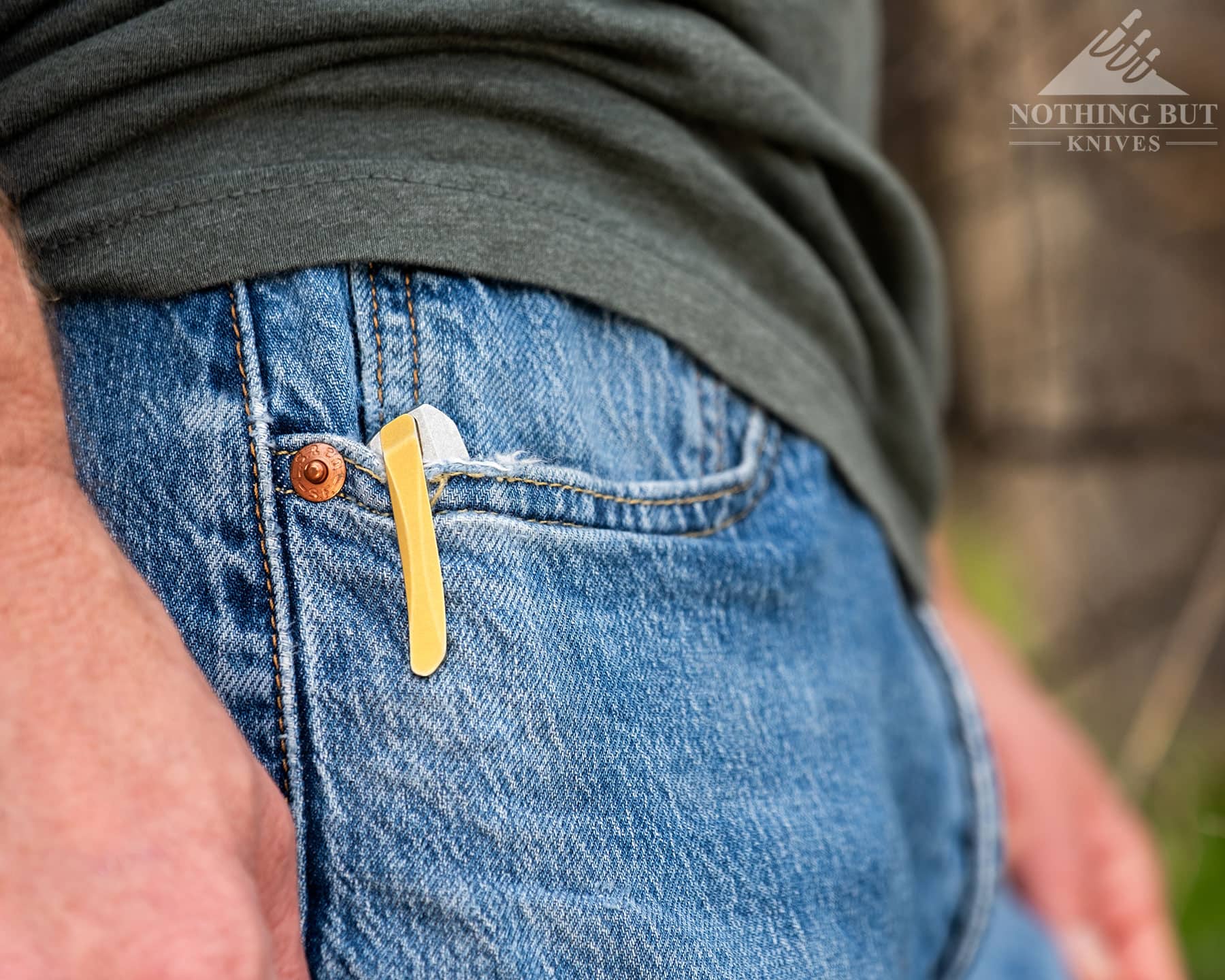
It rides in the pocket okay, but it’s a milled clip with a single pinch point at the end, so it tends to shift around a lot over the course of sitting and standing (and climbing, and hiking, and falling down a little bit). Never so much it popped out of the pocket, though. I only ever found it an inch or so over from where I put it in the pocket.
So it holds the knife fine, and it mostly stays out of the way in a full grip. It also shares space in the pocket well thanks to the pommel angling and the clip orientation. It makes the knife naturally lean into the edge of the pocket. So it’s doing everything a pocket clip should do.
Comparison and Alternatives
This is where my preferences come back to bite me. It’s hard to recommend alternatives for a style of knife I don’t generally use. But going off the idea of a high-end, angular-styled, mid-sized folder, here’s what I can come up with.
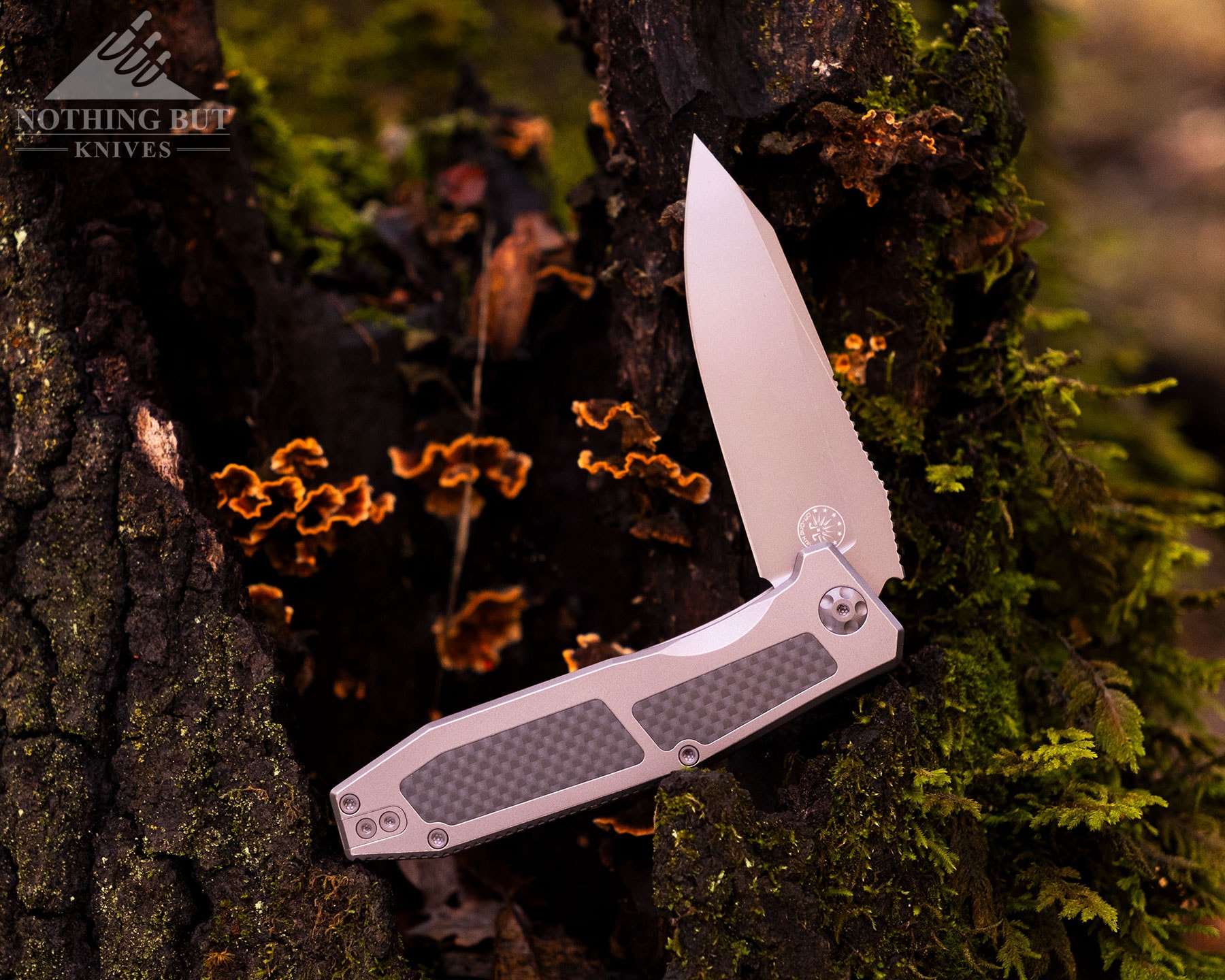
Off Grid Scorpion – It’s a little pricier and aesthetically more tactical, but the Scorpion carries with a similar smooth-titanium feeling. Even the cut feels similar, although the Scorpion might feel a little beefier in general. It’s slightly bigger with a 4-inch blade, and more expensive, but some of that is represented in the materials (see: Magancut and carbon fiber inlays).
Kansept Vivid – If you want to go smaller but stay in the realm of new-age-ish design language, the Vivid is a smaller, more pocket-friendly knife that’s geared more toward utility thanks to the flat-edge blade. This one can get pricey depending on the materials, but the cheapest typically runs about $20 less than the Fornax (but if you want to get really fancy there’s a Timascus Vivid that really lives up to the name).
OKnife XEN-OAL – If you want to go lighter, the XEN-OAL will give you some of that high-end titanium feeling, but it’s actually OKnife’s proprietary aluminum, made specifically so they could make lighter frame locks. That lets it run a little cheaper even though they’re using the same blade steel. I think I prefer the ergonomics of the Fornax, surprisingly, but that’s partially a consequence of the XEN-OAL being designed toward slimness.
Katsu JT01 Camping Knife Folder– The dimensions of this knife didn’t fit my hand all that well, but it is a beast of a knife with a killer bite thanks to the hollow grind. It’s probably the cheapest alternative I have listed here so far, which is impressive considering it’s sporting powder steel and titanium.
A Shamelessly Nice Knife
I enjoy the knife’s place in Orbital’s line up. They started with the mission to create functional budget knives. Their first knife, the Callisto, was exactly that: a solid knife that managed to stay stylish and came in under $100.
The Fornax is unabashedly a high-end folding knife.
I don’t think this is a case of a company moving quickly away from their original vision. I think this is a bunch of knife lovers who can’t help themselves, which I’m always happy to see more of.
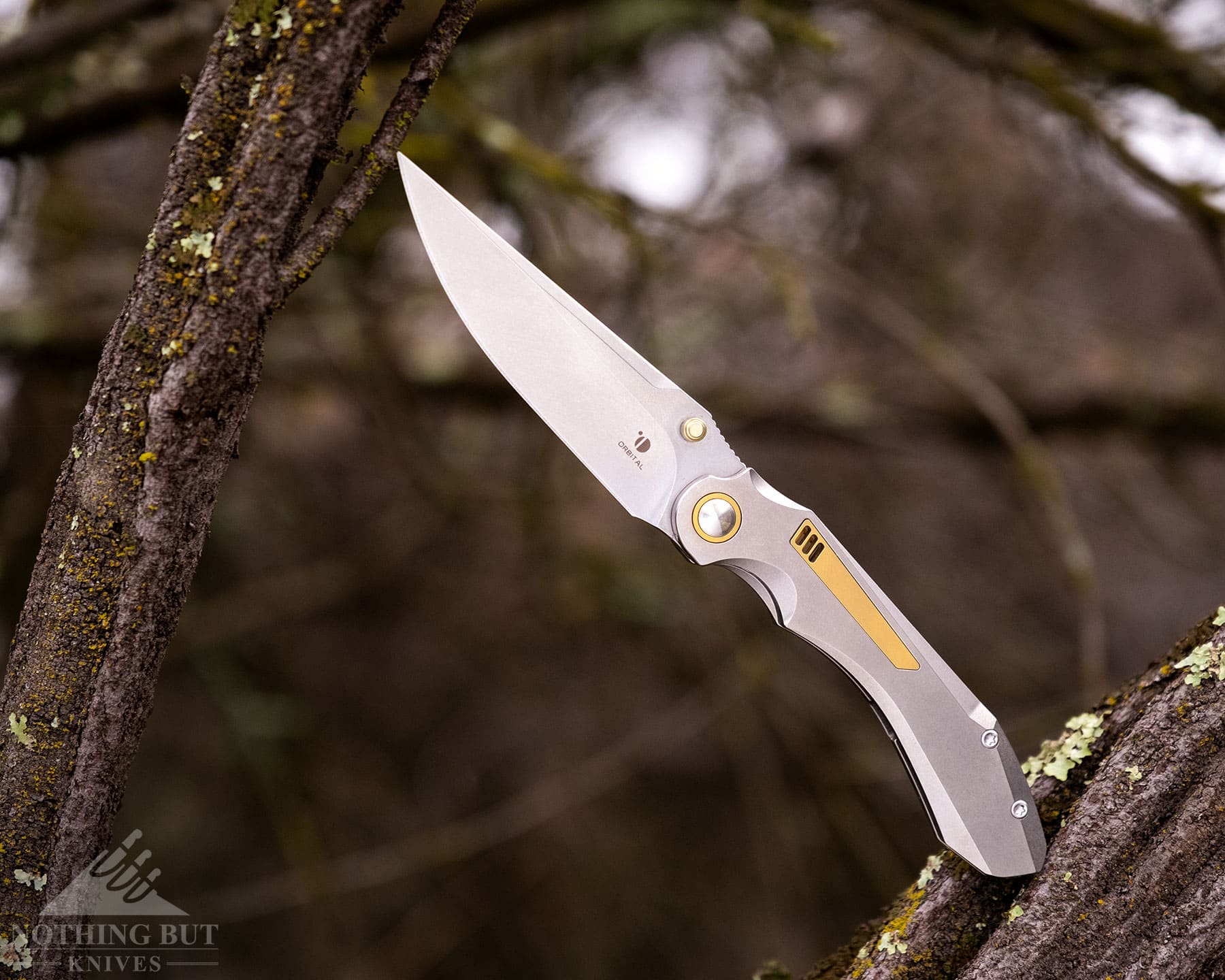
The Fornax feels sleek and new, and I ended up having a blast using it despite being the kind of hairy, backwater luddite who still thinks 1095 between two slabs of wood constitutes a fine knife. Most of that is thanks to the blade and my usual desperation at cutting wrapping paper disappearing when I realized how easy it was to cut mostly straight lines with it, but it turns out I’m also quick to warm up to a titanium handle that’s more comfortable than I was expecting.
It’s a knife that wants to be flashy and functional, and the presence of the second forgoes the need to apologize for the former.