This is a Bushcraft Knife that Wants to be Carried
There’s probably a name in the product design world for the way the shape something comes in can make it more salable than the quality.
There’s a pilsner I sometimes buy because it comes in a smaller can and the way it allows me to become incrementally drunker in more granular stages makes my drinking feel more responsible as I finish off the equivalent of a six pack in one night. Even though it’s not the best German-style alcohol available to me, sometimes I pick it up because I like having the portion control of that smaller can.
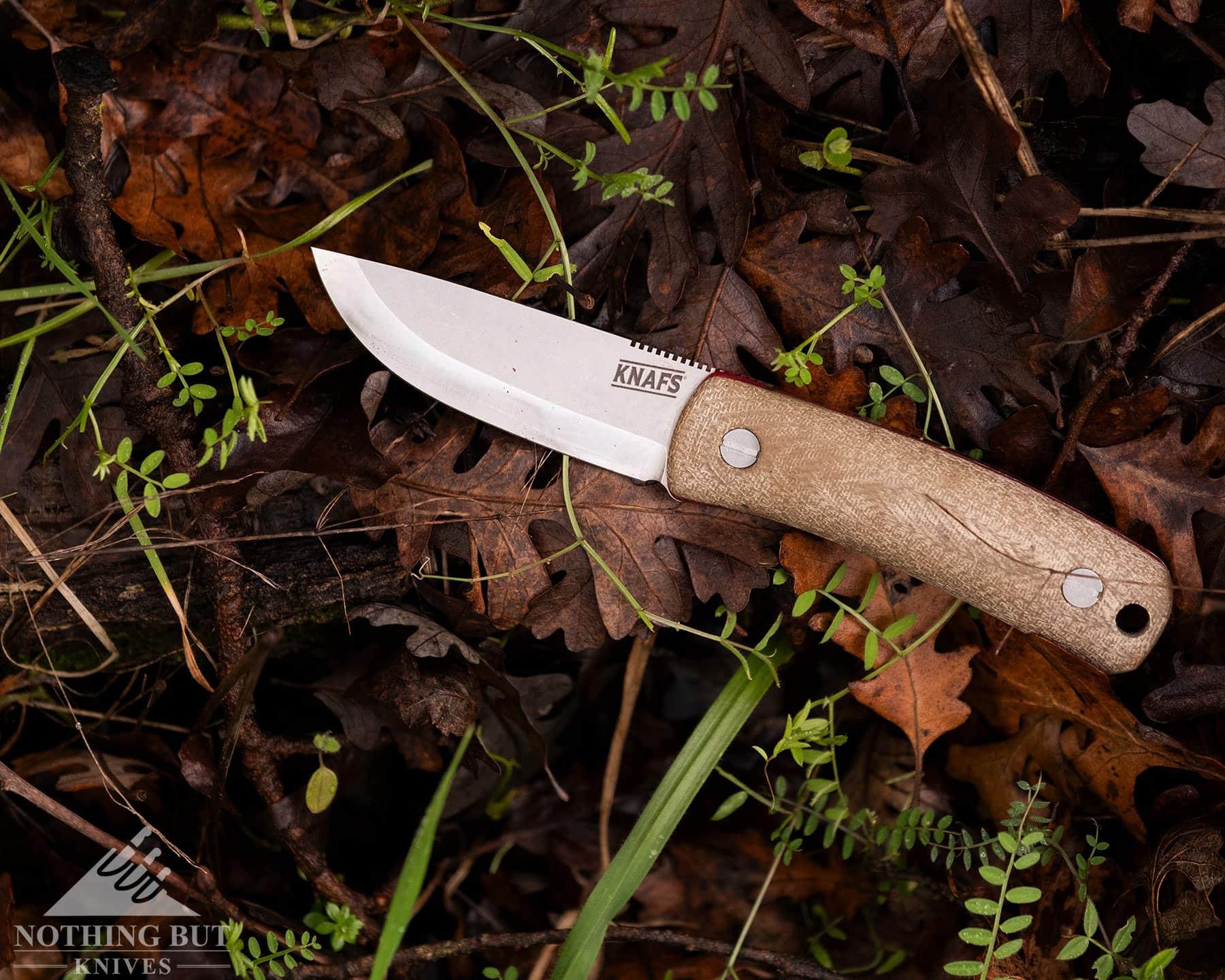
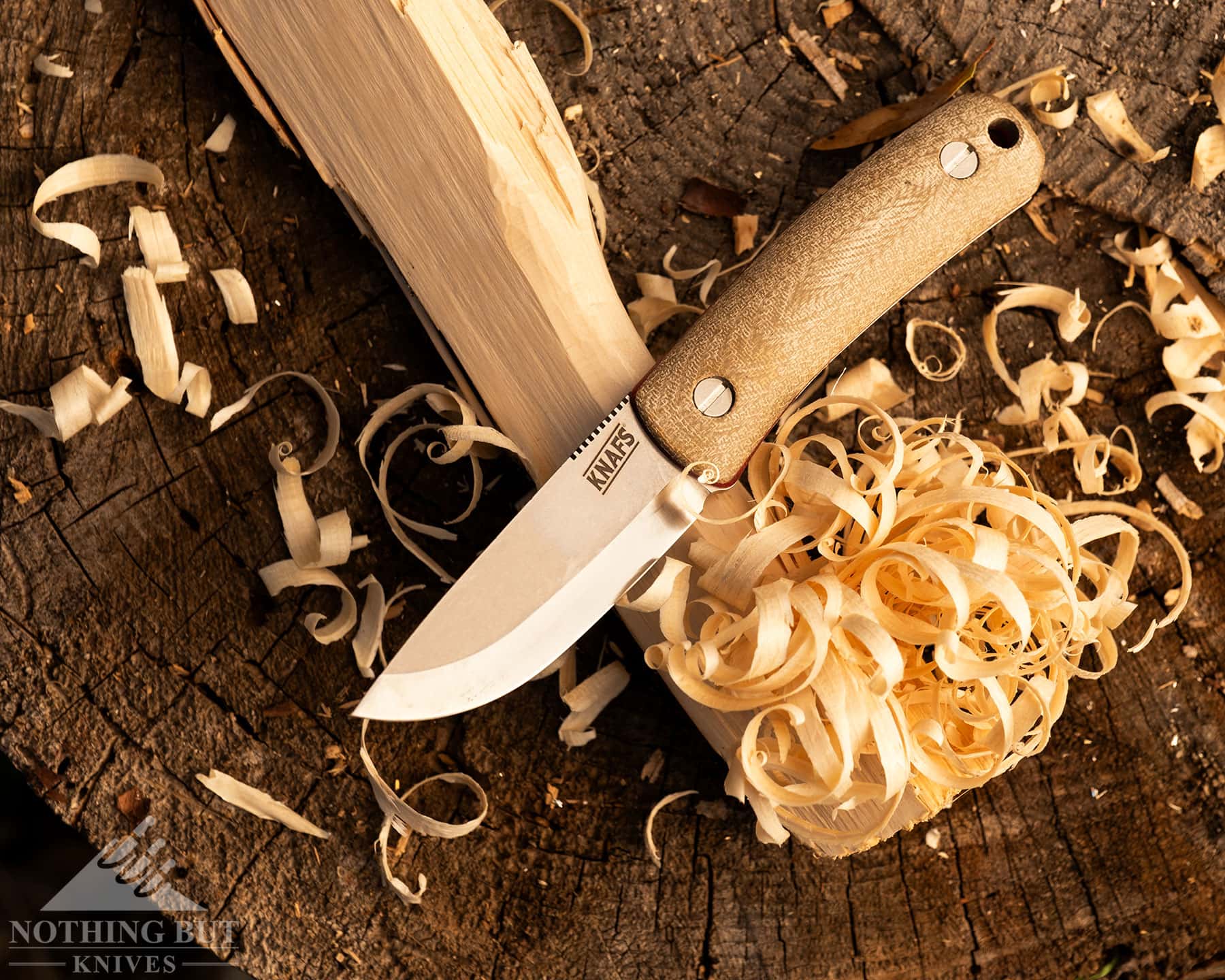
The Lulu is sort of like that pilsner. It’s so comfortable to carry I’m inclined to take it out over most other knives even if I need a knife for things the Lulu isn’t necessarily designed for (which is very clearly bushcraft). If I didn’t also have the Reiff F4, the Lulu would be my default fixed blade any time I went out into the woods, or even just into my yard. As it is, it’s what I’ve been reaching for regardless because I also happen to love the feel of the handle.
Specifications
| Overall Length: | 6.75” |
| Blade Length: | 2.95” |
| Blade Steel: | Magnacut |
| Hardness: | 62 HRC |
| Blade Thickness: | 3.24 mm (0.127”) |
| Blade Shape: | Drop point |
| Blade Grind: | Scandi (17° each side) |
| Handle Material: | Canvas Micarta |
| Weight: | 116 g (4.1 oz) |
| Made in: | USA |
| What I Liked | What I Didn’t Like |
|---|---|
| A compact size that rides well in a vertical position | Rounded handle can make it trickier to deploy and sometimes wants to turn when carving |
| Comfortable handle with a warm Micarta grip | Converting to horizontal carry is finicky |
| Excellent blade geometry for carving wood | The price is up there |
| Easy to control when throwing spark |
The Blade has Classic Bushcraft Geometry
This is a good scandi grind with a micro bevel. It’s stout and sharp with plenty of bite. There’s a lot I could say about the edge, but it would feel like repeating other things around the knife space about scandi grinds.
It cuts smooth on a paper test, but the combination of the scandi grind, wide blade stock, and relatively short height of the blade make the cut start to feel a little slower once you get past the edge.
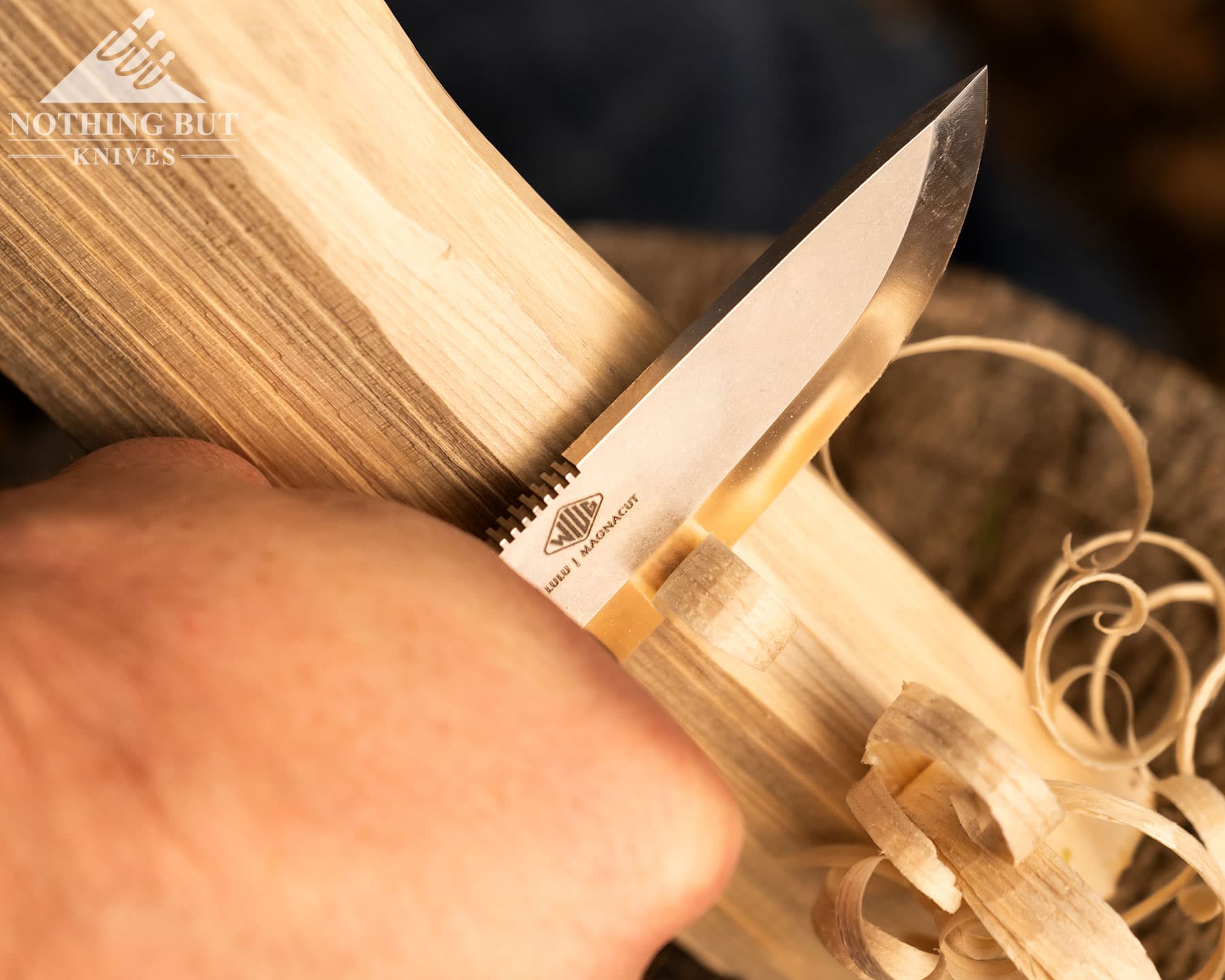
In practical terms this is what I want to feel, because this has the kind of geometry that makes carving and making feather sticks a lot easier. It also happens to be a good geometry for breaking down cardboard.
It also held up to some careless batoning and a few attempts at chopping without chipping. That’s something I know was workshopped in the design process, because Ben Petersen made a video about scandi grinds in the Amazon talking about how he had to put a microbevel on the blade specifically because it kept chipping.
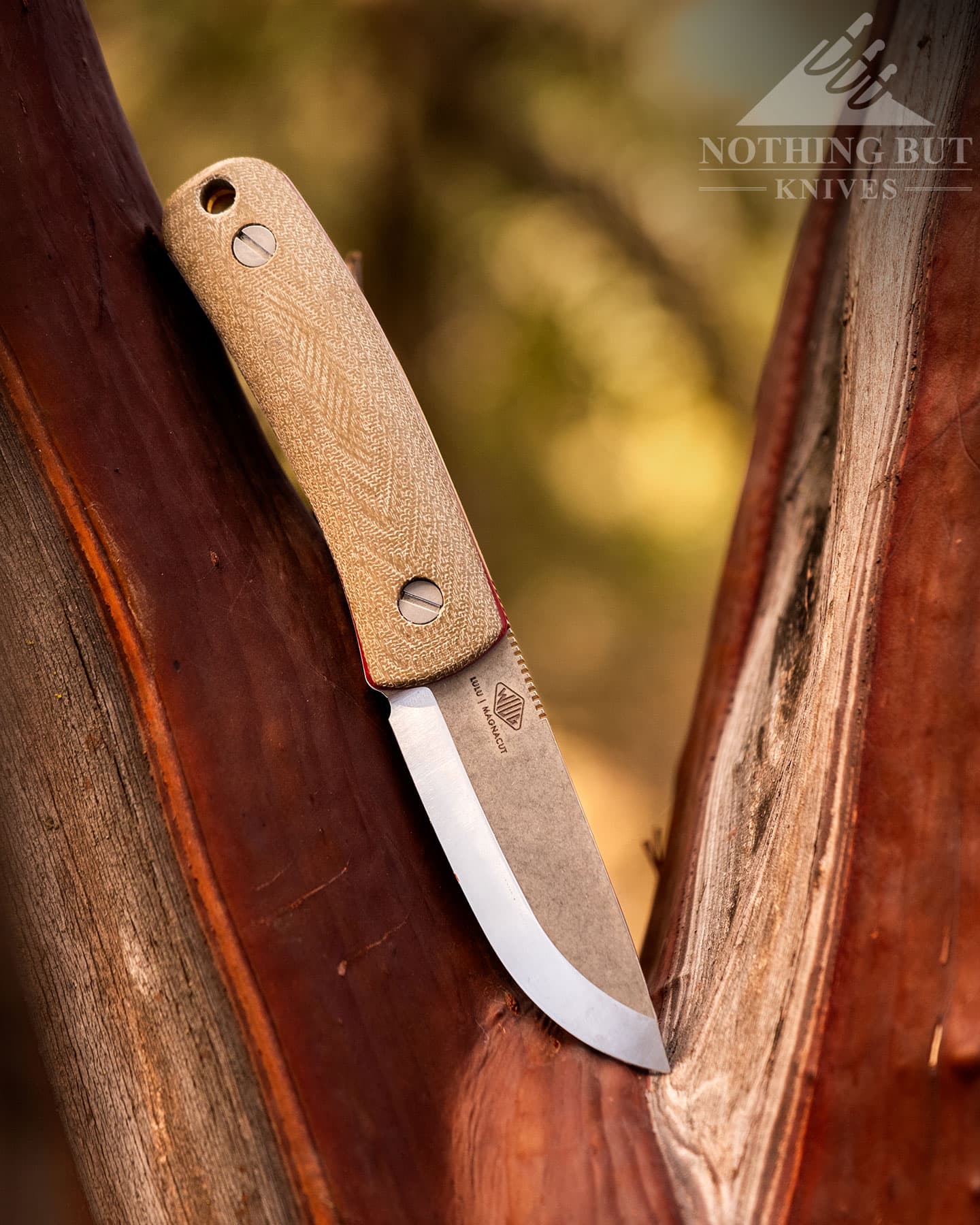
Technically that geometry takes a little bite out of the edge, but I’ve enjoyed the added toughness, especially since I usually camp around places with hard, weirdly-shaped wood, and that often means doing more wiggling, prying, smashing, and cursing than is generally safe to do with a true scandi grind.
A Rare Case of a Good Vertical Carry Knife
This is a compact knife both in the hand and on the belt. It feels pretty tidy in the vertical position when I’m hiking. It doesn’t move around much. It rides tight to my side, but it still feels easy to grab the handle to deploy it.
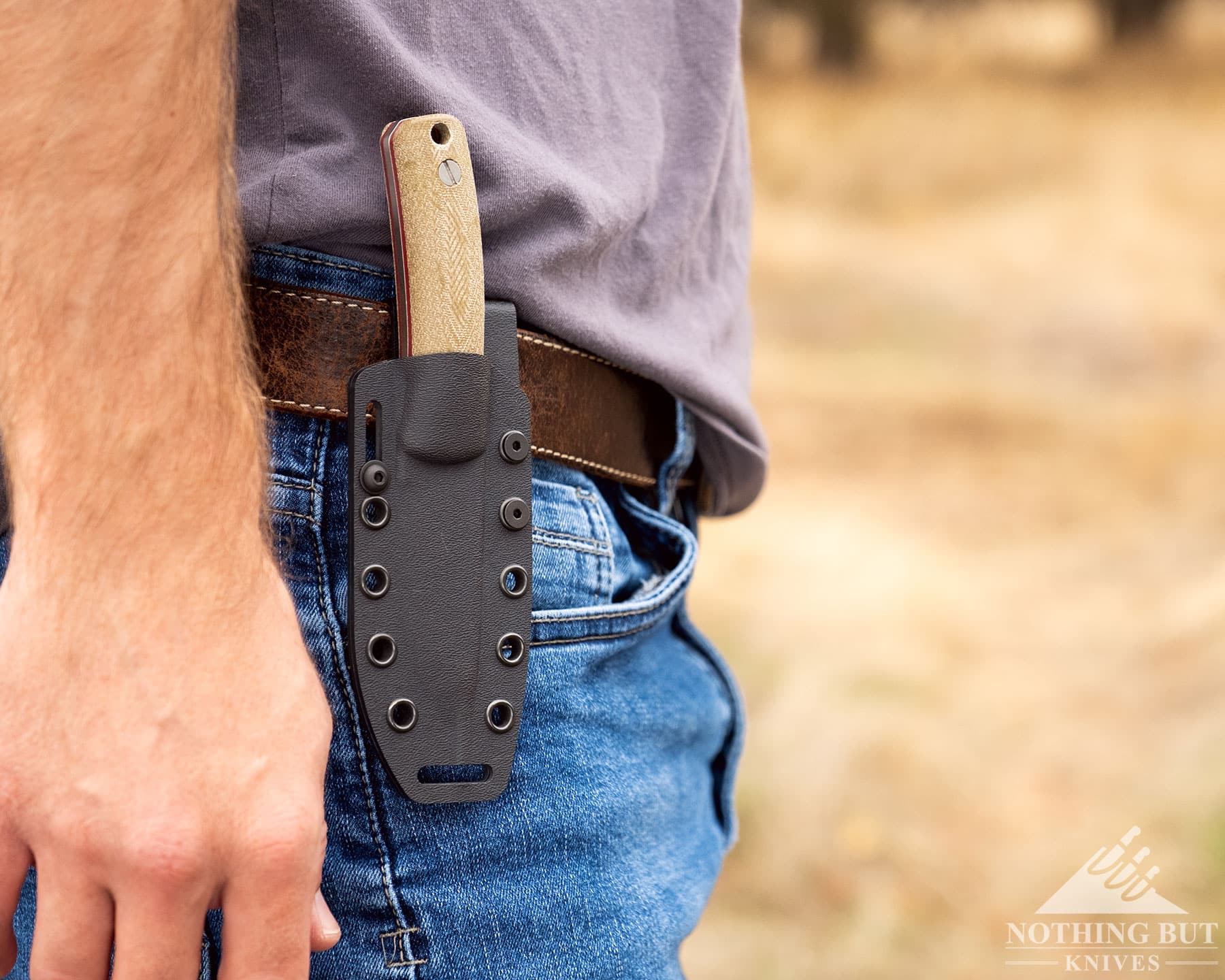
Actual deployment is pretty easy too, although there’s a caveat there with the round handle that I’ll get into later.
But as far as carrying it goes, it was easy to forget this was even on my belt. That wasn’t so surprising when I wore it around home doing yard work. It was after I took this on an especially tricky hike along a trail that had been so washed out and overgrown with blackberry bushes and poison oak that it wasn’t so much a hike as a combination of climbing and gymnastics that I realized just how nice the Lulu feels on the belt.
I rarely, if ever, felt it catch on any brush, the weight didn’t tug at my side, the handle never poked into my side, but the sheath left enough handle sticking out that I could pull the knife out blind.
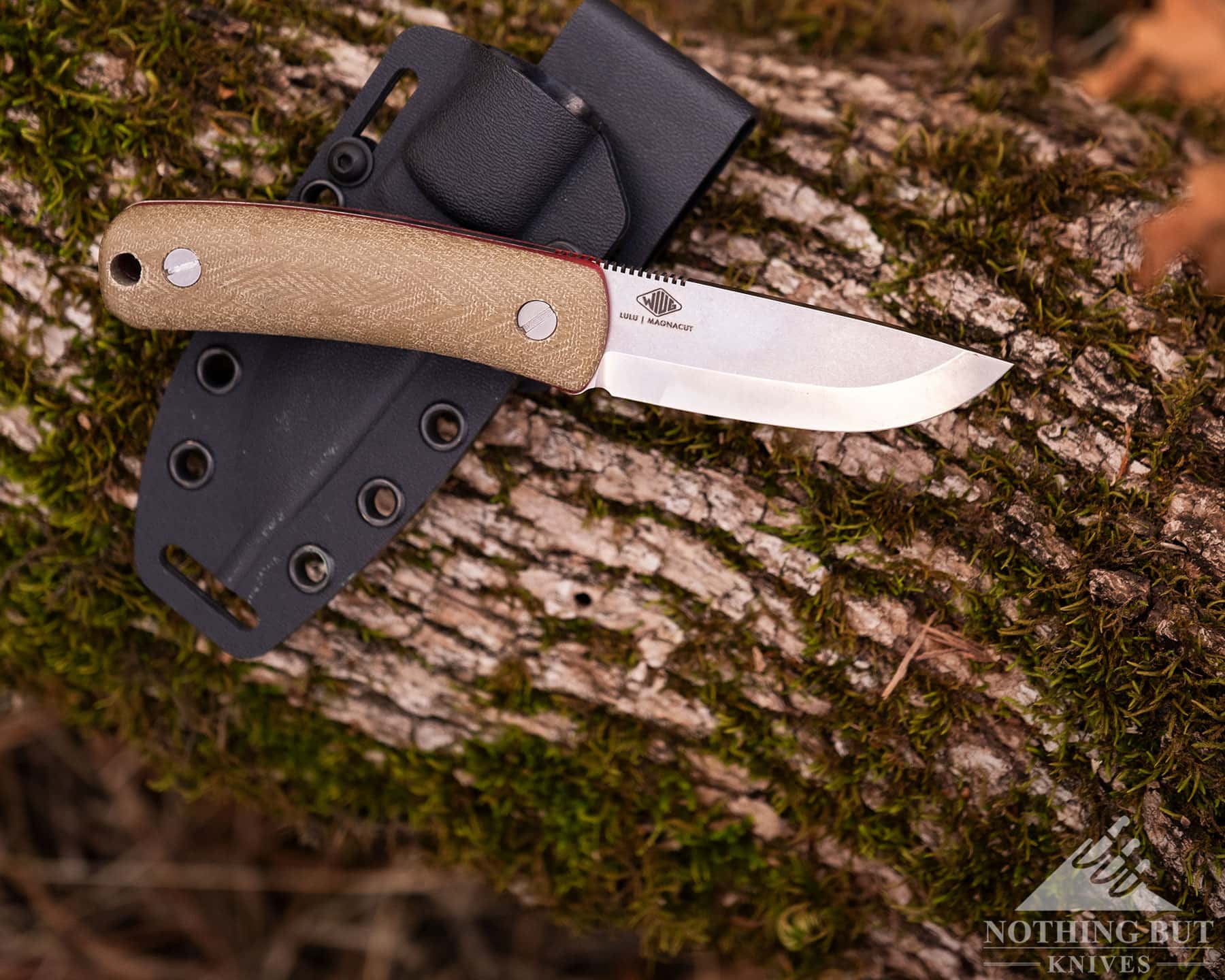
This is just a fantastically executed sheath for a good knife.
My only gripe with it comes from when I tried it out as a horizontal carry.
Horizontal Carry and Fumbling Screws through Belt Loops
Technically this is a nice horizontal carry.
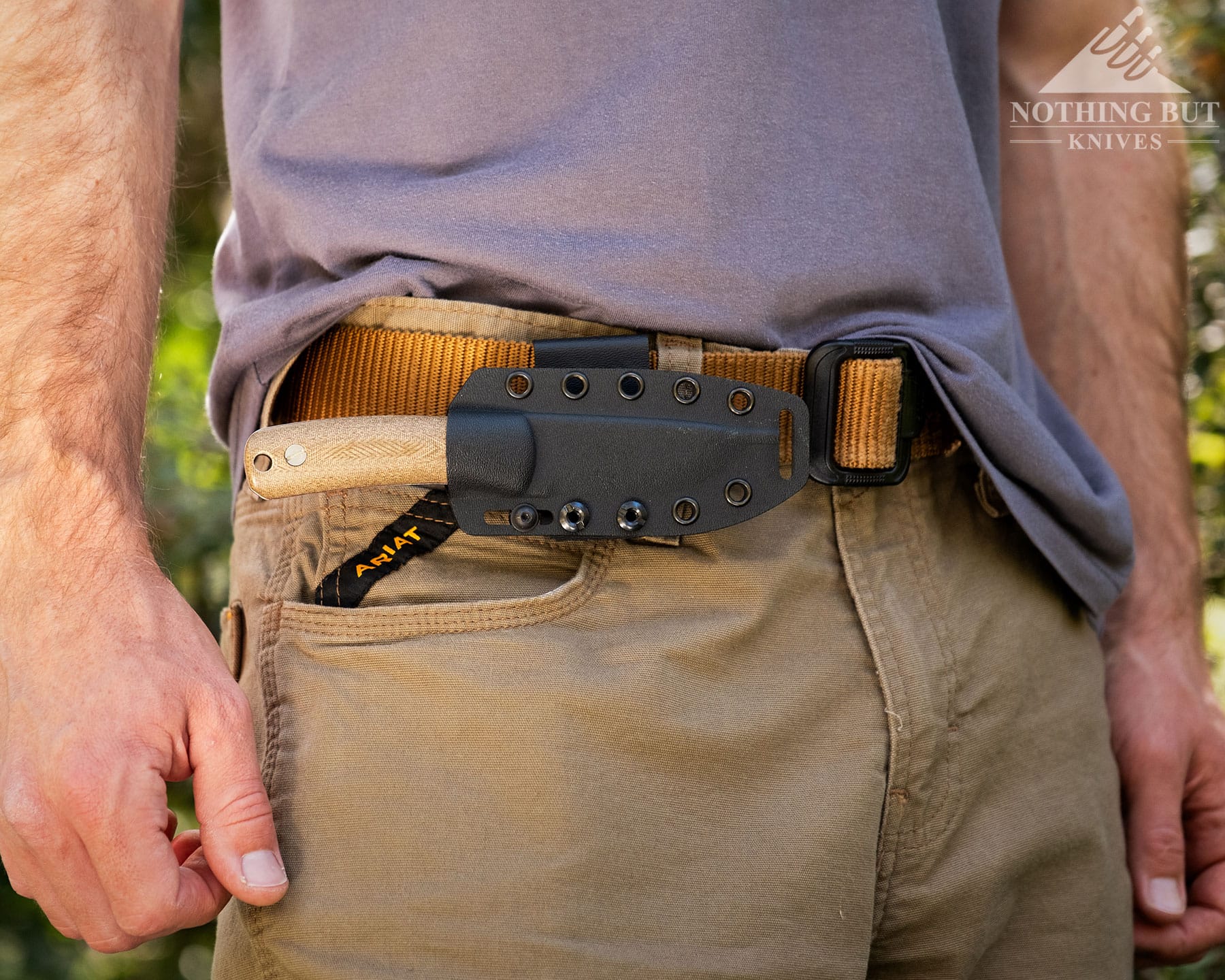
The weight and balance are good for it, and it’s a great size for appendix carry in the horizontal position. I didn’t love the process of switching the sheath around to horizontal carry, though.
I found it a little too finicky to work the screws around, especially since one is fastened inside the belt loop. I had to work a flathead screwdriver on the other side to stop the screws from free spinning and actually loosen. It only took me about five minutes (not including the time spent finding the bolt that dropped on the ground) to get the knife riding horizontally. It just felt like a lot of silly work when I actually like the way it rides vertically on the hip.
That said, there are a couple of things here that make it a little nicer for adjusting the carry style.
All the screws in the sheath are T9, so you can adjust whatever you want here with a single bit size. I also love the simple effectiveness of the retention screw: it sits in a slotted hole so you can really dial the retention in exactly where you want it.
I was pretty happy with the factory retention, so I didn’t mess with this much except for the brief time I had the Lulu as an appendix carry. That’s when I really appreciated the ability to nudge the screw about halfway up the slot and just tighten it down a little.
The Handle & Ergos
There’s a lot to like about this handle:
- The Micarta feels warm with that grippy-cloth feeling I always crave,
- It’s rounded and just slightly curved in a way that damn near perfectly seats into my hand,
- And it works in a couple different grips thanks to the rounded pommel and the sloped angle at the top of the handle.
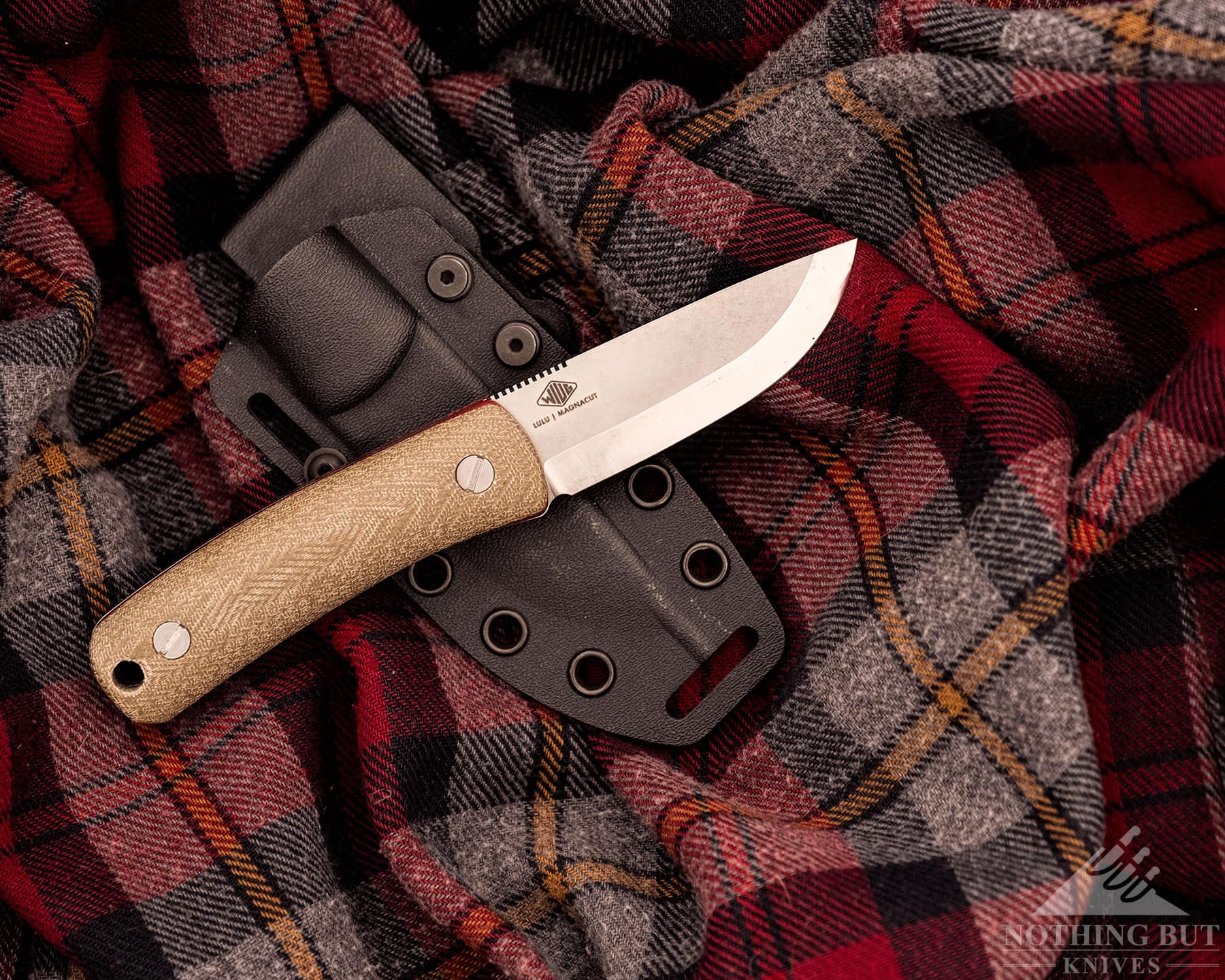
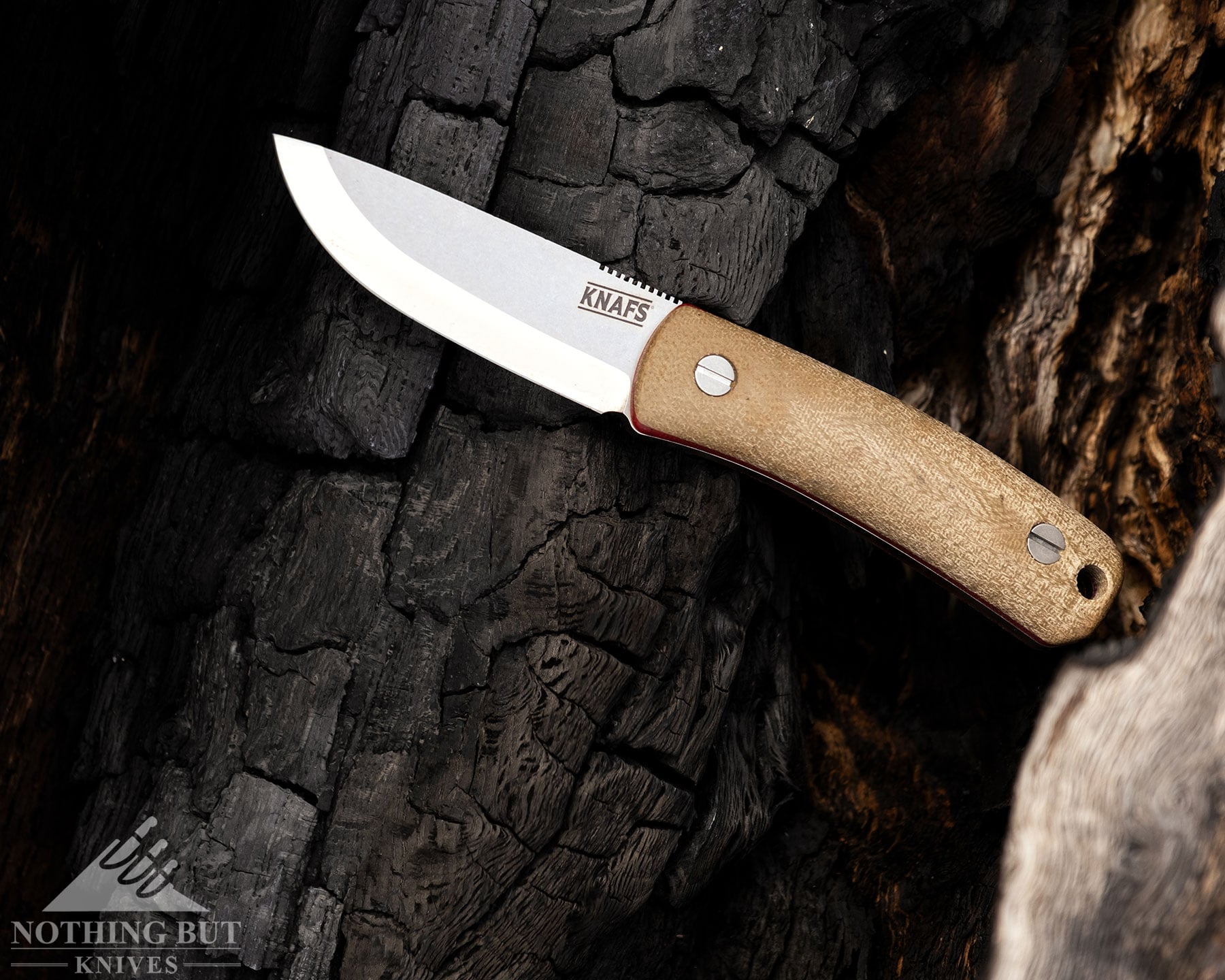
I also love the way they did the jimping. My thumb fully stops with any contact. There’s no chance of slipping there, but it doesn’t feel aggressive. So many effective jimping patterns come with a compromise of biting into my thumb, but the Lulu has more of a cow-grate effect: My thumb just stops, and there’s no fuss about it.
The downsides to the handle are that it’s compact and rounded.
As nice as the roundness feels in a full hammer grip, it gets a little tricky to hold onto when I’m drawing the knife or shifting my grip. That’s a situation where more material in the pommel always helps, but the Lulu has a nice spherical shape there that made my hand feel like it was slipping off a cliff the first few times I tried drawing it without looking. Obviously, it’s also not ideal for heavy chopping. I feel like any of us should know that just by looking at the thing, but that didn’t stop me from taking it to a wrist-thick branch. The handle actually did an okay job keeping the knife in my hand just with texture, but the Lulu just doesn’t have the shape or weight for that kind of thing. That’s more like survival knife territory anyway.
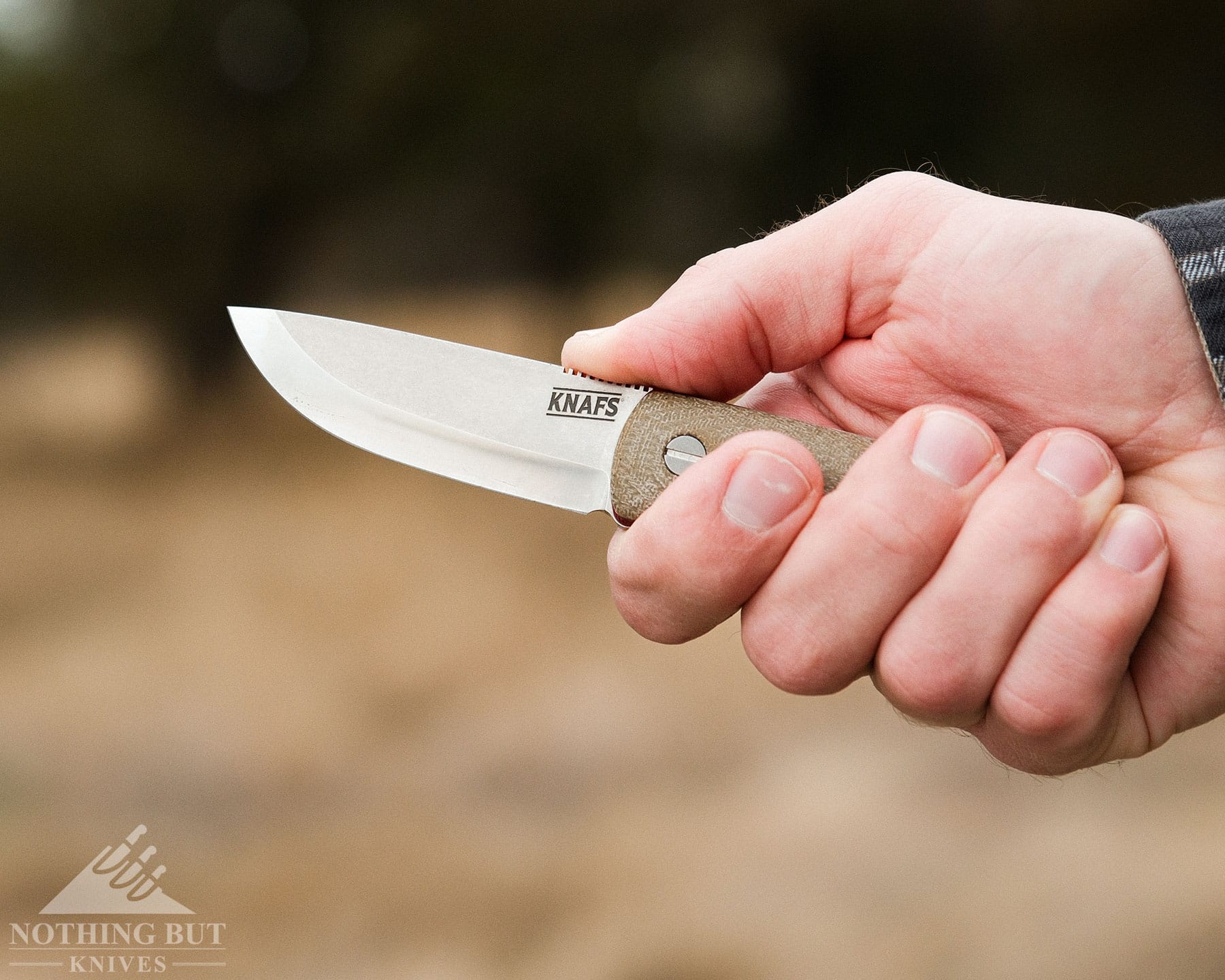
This is more of an extreme case of compromise than an actual downside. They designed this for a maximum level of in-hand comfort while carving. While I did feel it wanting to turn a little in my hand when I was trying to carve knots out of a piece of scrub oak, it’s easily one of the more comfortable bushcraft knives I’ve used in a long time for wood work.
It’s Top Notch Notch Maker and Fire Starter
Just to clarify its ability as a camping knife:
The Knafs Lulu absolutely sings on the critical tasks: carving, making tinder, and throwing spark.
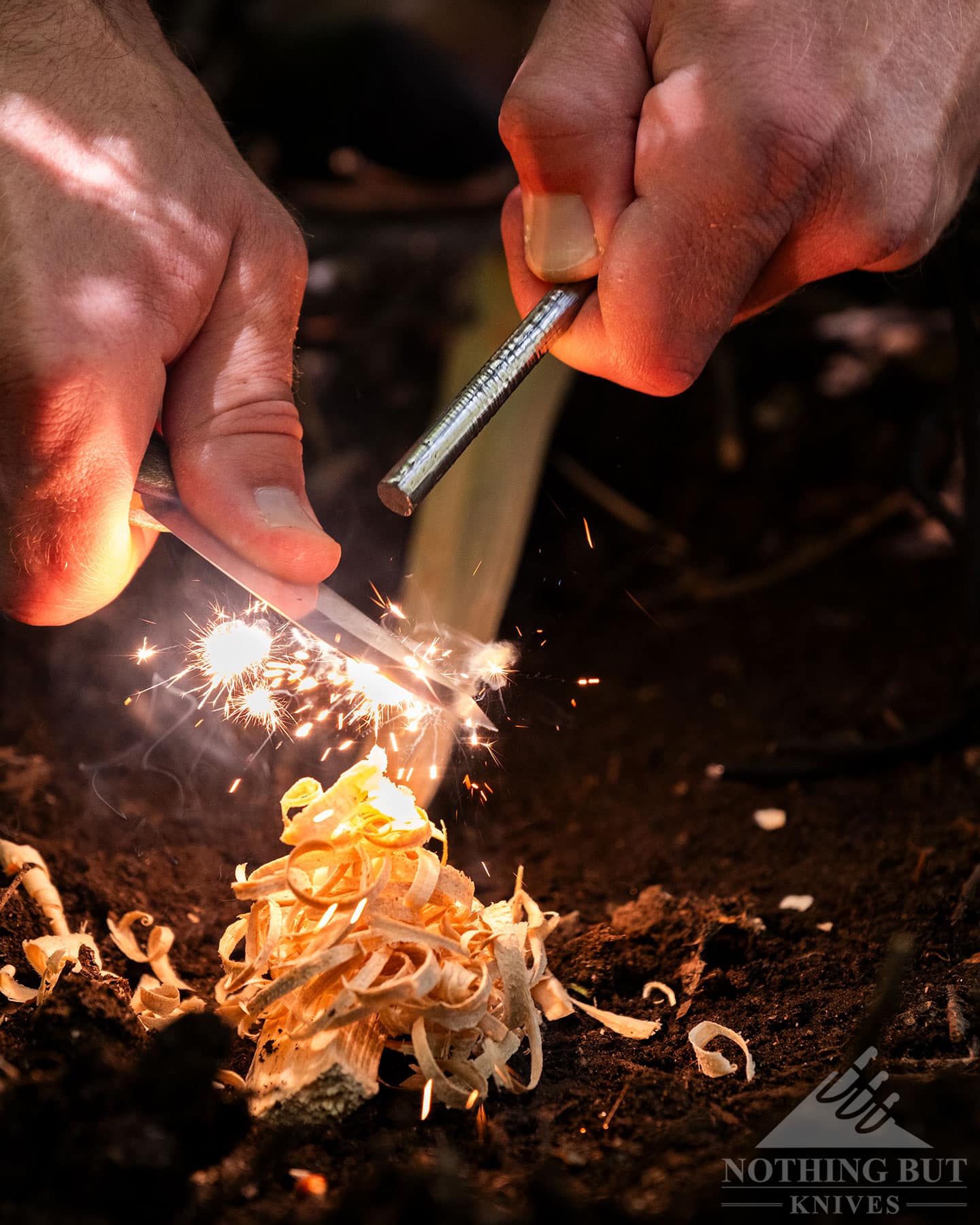
It stayed comfortable for me for a long time while carving feathersticks, notches, stakes, and random shapes on scraps I found while sitting around the fire drinking modestly sized beers.
It’s also one of my favorite knives to use with a ferro rod because it’s just big enough to fill the hand but small enough to actually control. I have a bad habit of slapping knives into dirt, wood, and rocks when I’m scraping a fire steel. Maybe that’s more of a skill issue than a size issue, but the fact remains that I didn’t slap the Lulu into a rock once when making fires, and that’s a hell of an accomplishment for me.
Comparison and Alternatives
The Reiff F4 with a scandi grind is the Lulu’s biggest competition in my mind, at least, before taking the price into account. It’s a more versatile knife with a similar experience, but there are some key differences: the Micarta on the F4 is “colder” (it’s harder and doesn’t grip as readily), it has a bit of a hand guard in the handle shape, and there’s an option for getting it in a sabre grind. Plus the Kydex sheath is taco style and there’s an option for a leather slip-style sheath. These are small details, but when they matter they can mean the world.
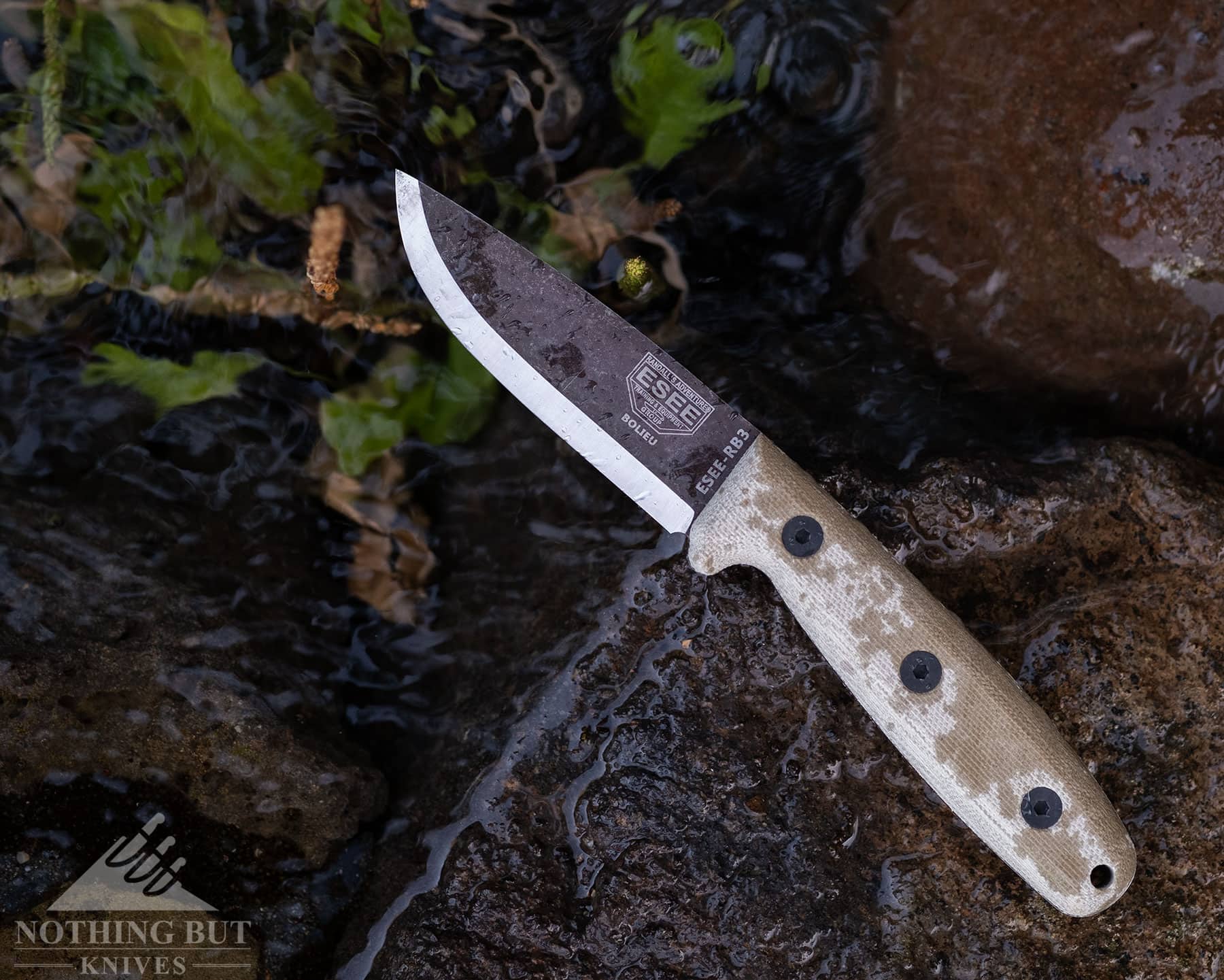
The ESEE Camp-Lore RB3 combines some of the qualities I like about the Lulu and the Reiff F4: the Micarta is warm and grippy and the handle is rounded in a similar way to the Lulu, but the handle is shaped so it nests the hand a little more firmly against a prominent handguard like the F4. The potential downside is that it’s only available in 1095 steel with a leather pouch. I like both of those elements, but they aren’t for everyone.
The Morakniv Bushcraft Basic is the obvious alternative. It’s not full tang and the steel is a lot softer, but it can carve, skin, and start fires, and it’s as tough as anything you’d ever need at a lower price. And if you really need something like that but a bit tougher, the full-tang Mora Garberg still beats the Lulu and the Reiff F4 in price easily. You just have to deal with a softer steel.
We covered lots of fun bushcraft knife alternatives in our best of bushcraft knives article if you feel like shopping.
It’s the Knife You’ll Have On You
There’s a piece of wisdom quietly whispered around the knife world, usually before whoever said it gets talked over by a stream of grind and steel talk because the spirit of it is against what we do here, which is buy more knives than we need:
The best knife for anything is the one you have on you.
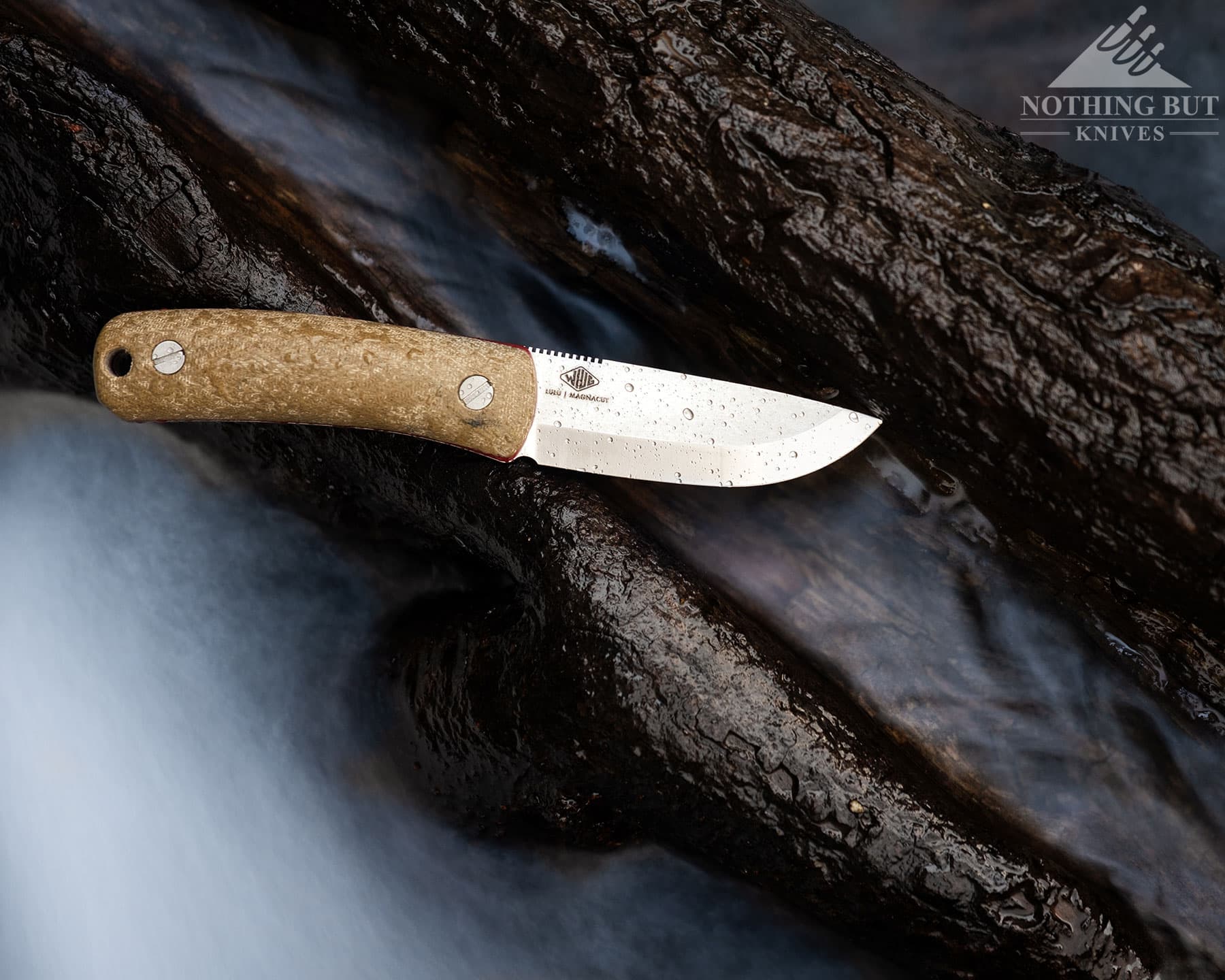
The Lulu feels like one of the best knives I own now, because I like carrying it. It’s never in the way when I don’t need it, and except for the little bit of awkwardness from keeping a heavily rounded handle from turning in my hand when I’m shifting grips and (occasionally) when I’m carving, it’s easy to draw, and pleasant to use.
It performs beautifully, but I don’t think the way it carves is enough to recommend it over most other well-made bushcraft knives, besides the fact that it’s Magnacut (although that’s not a small consideration since bushcraft knives still trend toward soft stainless or old-school carbon steels). But I do think most people will enjoy the way this carries on the hip more.
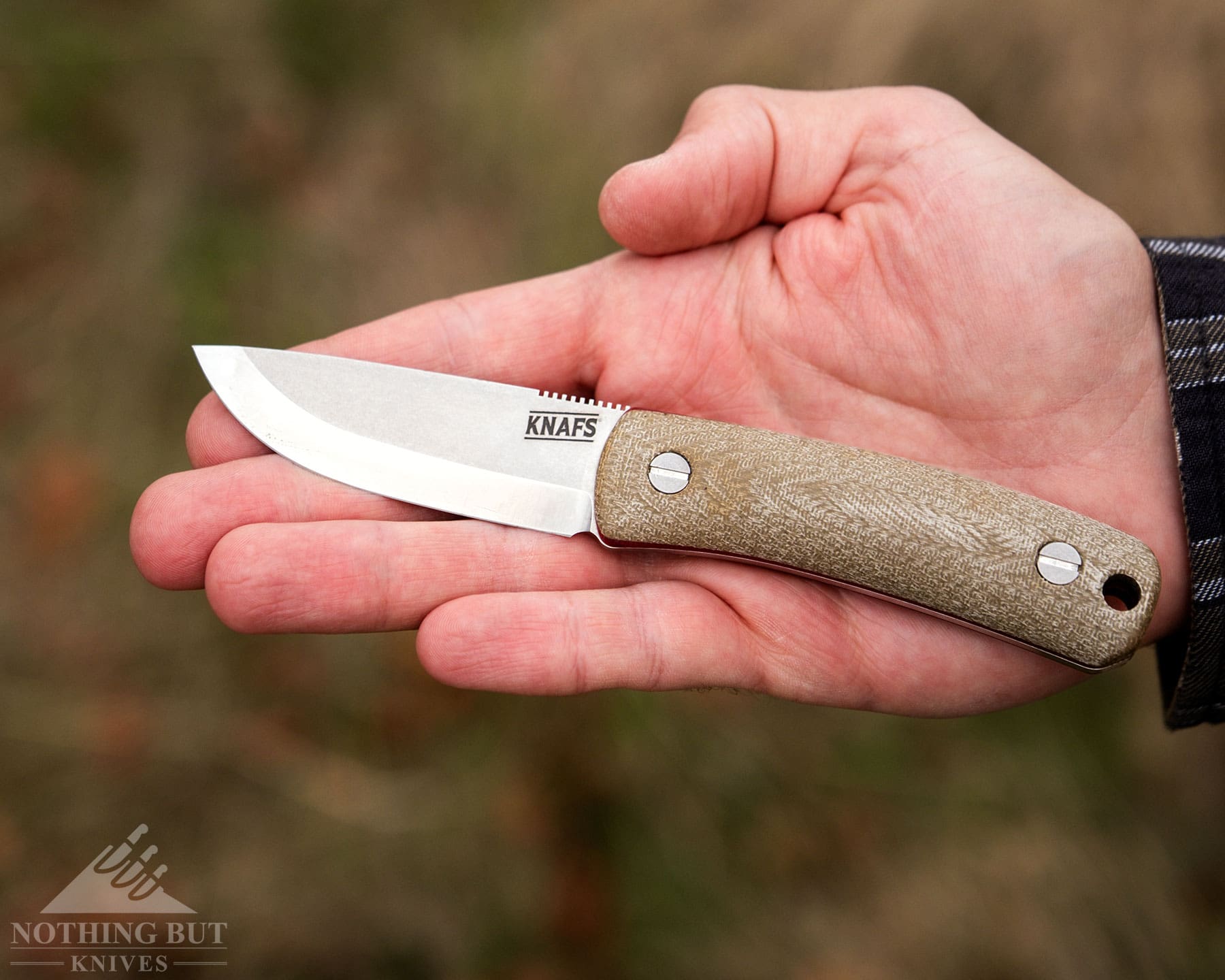
It’s the small beer can knife: it’s well-made, easy to hold, round, and makes you feel like a more capable person with a relatively light space requirement.